



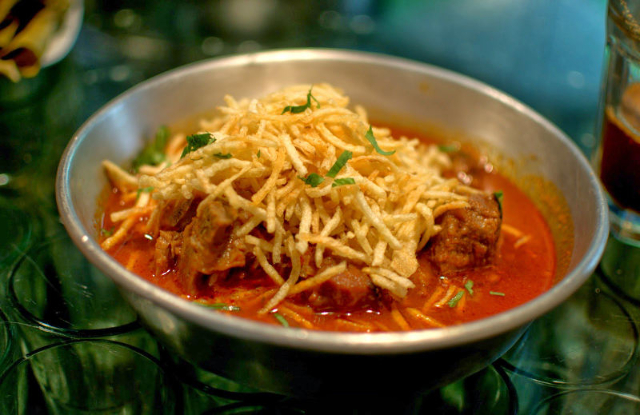
Mumbai, a city that buzzes with relentless energy, is a mosaic of cultures, where the aroma of spices tells tales of its diverse communities. Among these is the vibrant Parsi community, whose culinary legacy continues to enthrall food enthusiasts. At the heart of this gastronomic tapestry is Sali Boti, a dish that embodies the Parsi penchant for harmonizing contrasting flavors.
The origins of Parsi cuisine can be traced back to the ancient Persian Empire, with the Parsis, or Zoroastrians, migrating to India over a millennium ago to escape religious persecution. This migration brought with it a fusion of Iranian culinary traditions with Indian spices, leading to a distinctive cuisine that is both hearty and aromatic. Sali Boti is a quintessential example of this fusion, where succulent mutton is simmered with onions, tomatoes, jaggery, and vinegar, creating a rich medley of sweet, sour, and spicy flavors.
The dish is more than just a meal; it's a reflection of the Parsi community's history and cultural evolution. The subtle use of spices like turmeric and ginger, combined with the tang of vinegar and sweetness from jaggery, mirrors the community's adaptability and blend of influences over centuries. Traditionally, Sali Boti is served with sali, crispy fried potato straws that add a delightful crunch, enhancing the dish's complexity.
The Parsi community is as much about its food as it is about its traditions and architecture. Mumbai, home to one of the largest Parsi populations in India, showcases this through its iconic Fire Temples and Baugs. These structures are a testament to the community's contributions to the city's architectural landscape. The Fire Temples, with their simple yet elegant designs, house the eternal flame, an essential element of Zoroastrian worship. The Baugs, or residential colonies, are designed to foster a close-knit community, reflecting the Parsis' emphasis on family and unity.
Culturally, the Parsis are known for their vibrant festivals. Navroz, the Parsi New Year, is celebrated with much fanfare, and food plays a pivotal role. Dishes like Sali Boti are often part of the festive spread, symbolizing prosperity and happiness. The Parsis also celebrate Pateti, a day of reflection and renewal, marked by community gatherings and feasting.
While Sali Boti is a must-try for any visitor, Mumbai's Parsi culinary offerings are vast. From Dhansak, a hearty lentil and meat stew, to Patra ni Macchi, fish steamed in banana leaves, the cuisine is a journey through flavors and textures. For dessert, Lagan nu Custard, a creamy, spiced custard, is a delightful end to any meal.
A lesser-known aspect of Parsi food culture is their love for Irani cafes. These establishments, with their vintage charm and simple decor, are an integral part of Mumbai's culinary history. They serve as a window into the past, where time seems to slow down, and conversations flow over cups of pudina chai and plates of bun maska. Many of these cafes have been around for decades, each with its own story and loyal patrons.
For those planning to indulge in Parsi cuisine, particularly Sali Boti, the best time to visit Mumbai is during the cooler months from November to February. The pleasant weather enhances the experience of exploring the city and its culinary delights. When visiting a Parsi restaurant, don't hesitate to ask about the history of the dishes or the stories behind the recipes. The Parsis are known for their hospitality and are often eager to share their rich heritage with visitors.
In conclusion, Sali Boti is more than just a dish; it's a culinary narrative of the Parsi community's journey and their harmonious blend of cultures and traditions. As you savor each bite, you're not just tasting food but experiencing a slice of history, artistry, and warmth that the Parsis bring to Mumbai. Whether you're a seasoned epicure or a curious traveler, exploring the Parsi culinary scene is an enriching journey through the flavors and stories that make Mumbai an ever-engaging city.
