



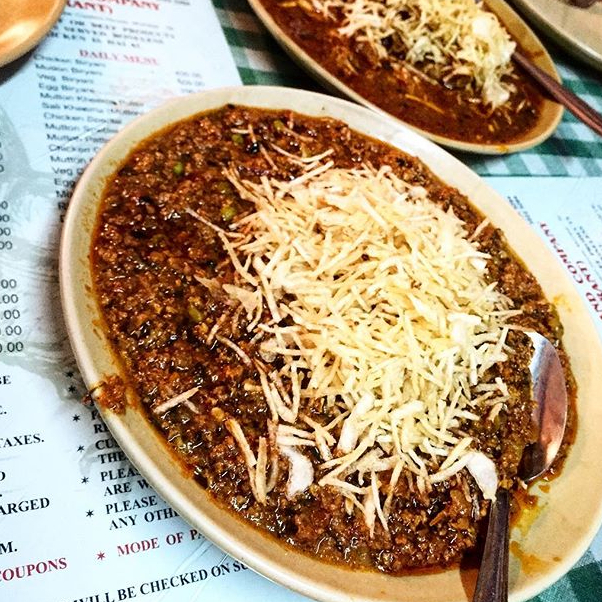
In the bustling heart of Mumbai, where the city’s vibrant energy never seems to dwindle, lies a culinary treasure that reflects the rich tapestry of the Parsi community — the sumptuous Sali Keema. This dish, a perfect medley of flavors and textures, is not merely a feast for the senses but a portal into the storied past of the Parsis in India.
The Parsi community, originally from Persia (modern-day Iran), migrated to India around the 8th century to escape religious persecution. They settled primarily in Gujarat and later spread to Mumbai, bringing with them a unique culinary tradition that blends Persian, Gujarati, and British influences. Sali Keema, a dish of lamb mince cooked with onions, tomatoes, and ginger-garlic paste, topped with crispy, golden potato straws known as sali, is a testament to this fusion. Its origins hark back to the Parsi penchant for meat and potatoes, a reflection of their love for hearty, comforting meals that mirror their warm hospitality.
While Mumbai is renowned for its architectural marvels like the Gateway of India and the Victorian Gothic buildings, the Parsi influence is deeply embedded in some of the city’s hidden gems. The Parsi Fire Temples, with their understated elegance and profound spiritual aura, offer a glimpse into the community's religious practices. These temples, characterized by their simplistic yet serene architecture, stand in contrast to the bustling cityscape, providing sanctuaries of peace and reflection.
The Parsis are known for celebrating life with zest, and their festivals are a vivid display of their cultural richness. Navroz, the Parsi New Year, is celebrated with much fervor in Mumbai, marked by prayers, feasting, and community gatherings. During these celebrations, traditional Parsi dishes, including Sali Keema, take center stage, allowing both locals and visitors to partake in their rich culinary heritage.
The gastronomic landscape of Mumbai is a melting pot of flavors, and Parsi cuisine holds a place of reverence among food enthusiasts. Besides the iconic Sali Keema, dishes like Dhansak, a hearty lentil and meat stew, and Patra ni Machhi, fish steamed in banana leaves with a coconut chutney, are must-tries. Parsi meals are often accompanied by raspberry soda, a sweet local beverage that perfectly complements the robust flavors of the cuisine.
For those venturing beyond the well-trodden path, Mumbai holds a treasure trove of lesser-known curiosities. The Irani Cafés, remnants of a bygone era, offer a unique dining experience where time seems to stand still. These cafés, with their faded wooden interiors and checkered tablecloths, serve not only Sali Keema but also a slice of history, echoing stories of the city's multicultural past.
Visiting Mumbai is an explosion of the senses, and timing your visit can enhance the experience. The months from November to February offer pleasant weather, ideal for exploring the city’s outdoor attractions and indulging in street food adventures. When visiting, it’s wise to arrive with an open palate and a willingness to explore the lesser-known culinary corners. Seek out local eateries or family-run Parsi restaurants instead of mainstream dining spots to truly savor the authenticity of Sali Keema.
In conclusion, Sali Keema is more than just a dish; it is an emblem of the Parsi legacy in Mumbai. It encapsulates a journey of migration, adaptation, and cultural amalgamation. As you savor each bite, you partake in a tradition that has been lovingly preserved and passed down through generations, a testament to the enduring spirit of the Parsi community in the ever-evolving urban tapestry of Mumbai.
