
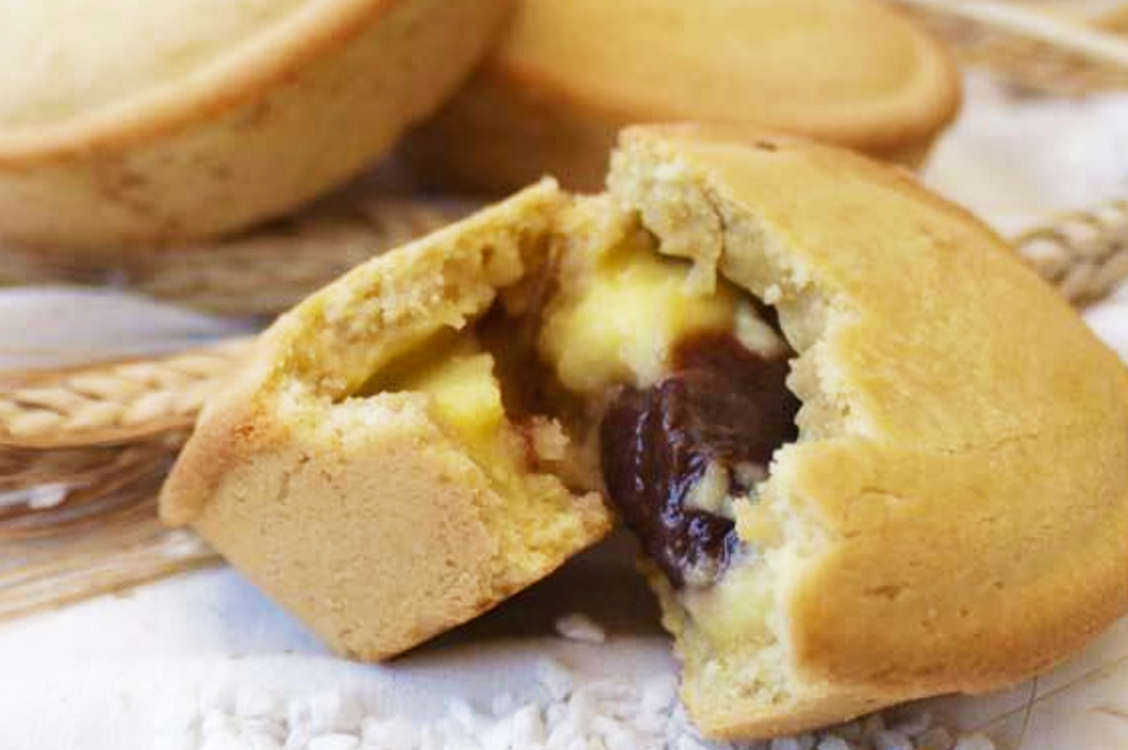

In the heart of Italy's sun-soaked region of Puglia, a culinary gem awaits those who venture to the baroque city of Lecce. The pasticciotto Leccese, a delightful pastry with a custard heart, is an emblem of local gastronomy, deeply rooted in the traditions and history of this enchanting area. As you wander through the cobbled streets of Lecce, the aroma of freshly baked pasticciotti beckons from every corner, promising a taste of the region's rich cultural tapestry.
The origins of the pasticciotto Leccese trace back to the 18th century, specifically to 1745, in the town of Galatina, just a short distance from Lecce. Legend has it that the pastry was created by Andrea Ascalone, a baker who, in a stroke of creative genius—or perhaps necessity—decided to transform leftover dough and cream into what would become a regional icon. The resulting treat was an immediate success, quickly spreading throughout Salento and becoming a staple of local breakfasts.
Lecce, often dubbed the "Florence of the South," is renowned not only for its culinary delights but also for its stunning baroque architecture. The intricate façades of its churches and palazzi are a testament to the city's artistic heritage. Notable sites include the Basilica di Santa Croce and the Piazza del Duomo, where the interplay of light and shadow on the ornate stonework creates a mesmerizing spectacle. Art lovers will appreciate the region's commitment to preserving its artistic legacy, reflected in the numerous galleries and workshops that dot the city.
Cultural traditions in Lecce are as vibrant as its architecture. The city hosts a variety of festivals throughout the year, with the Festa di Sant'Oronzo being one of the most significant. Celebrated in late August, this festival honors the city's patron saint with a lively blend of religious processions, music, and dance, offering visitors a deep dive into the local way of life. The rhythmic beats of the pizzica, a traditional dance of Salento, often fill the air during such celebrations, inviting everyone to join in the merriment.
In terms of gastronomy, Lecce offers a feast for the senses. Beyond the beloved pasticciotto, visitors can savor other local specialties like orecchiette pasta, typically served with a hearty tomato and cheese sauce, and rustico leccese, a savory pastry filled with béchamel and tomato. Pair these with a glass of Negroamaro or Primitivo, robust red wines that capture the essence of Puglia's sun-drenched vineyards.
For those seeking lesser-known curiosities, Lecce is full of intriguing details. The city is home to an impressive Roman amphitheater, partially excavated and still hosting performances today, which hints at its ancient past. Additionally, the Porta Napoli triumphal arch, dating back to the 16th century, stands as a reminder of the city's strategic importance through the ages.
When planning a visit, consider timing your trip in the spring or fall. The weather is pleasantly mild, and you'll find the city less crowded, allowing for a more intimate exploration of its treasures. Be sure to indulge in a freshly baked pasticciotto at one of Lecce's historic cafes, such as Caffè Alvino in Piazza Sant'Oronzo, where you can enjoy your pastry with a side of people-watching.
In Lecce, the pasticciotto is more than just a pastry; it's a symbol of the city's enduring charm and cultural richness. Whether you're drawn by its history, its art, or its culinary delights, Lecce offers an unforgettable journey into the heart of southern Italy.


