
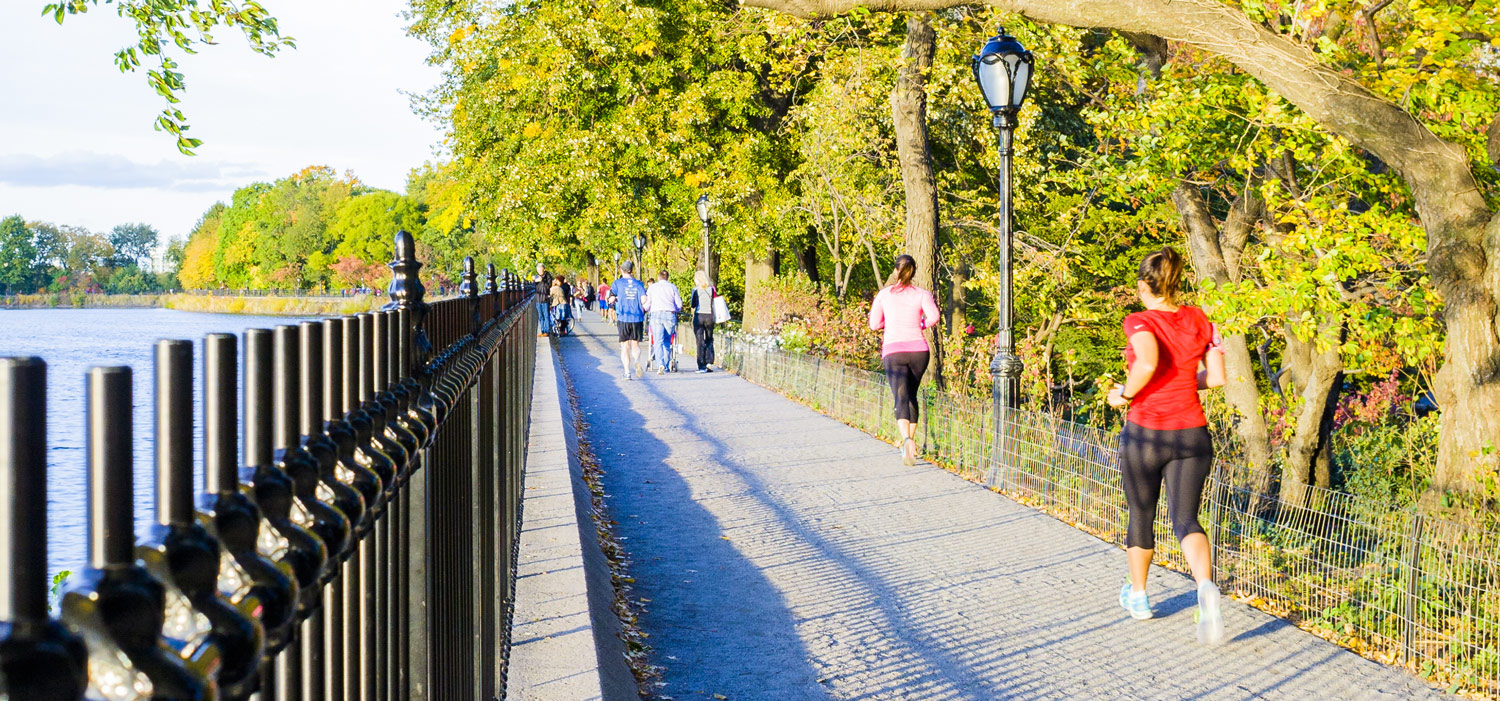

In the heart of Manhattan, where the city's vibrant pace meets a serene oasis, lies the Pathway near the Jacqueline Kennedy Onassis Reservoir in Central Park. This iconic stretch of land isn't just a path through the park; it's a passage through time, capturing the essence of New York's historical evolution and cultural tapestry.
Central Park itself was established in 1858, a visionary project conceived by Frederick Law Olmsted and Calvert Vaux to provide New Yorkers with a green refuge from the urban sprawl. The Reservoir, completed in 1862, was initially a critical component of the city's water supply system. However, it now serves a more aesthetic and recreational purpose, offering a stunning backdrop for joggers and strollers alike. The pathway skirting this reservoir is steeped in cinematic lore, famously featured in the 1976 thriller "Marathon Man," starring Dustin Hoffman. This film immortalized the path as a symbol of endurance and suspense.
Architecturally, Central Park is a masterclass in landscape design, blending naturalistic elements with strategic urban planning. The Reservoir's pathway is flanked by wrought iron fencing and lined with cherry trees, creating a picturesque setting that changes with the seasons. In spring, the pink blooms offer a soft contrast to the city's hard edges, while autumn transforms the walkway into a golden-hued tunnel.
Culturally, the area around the Reservoir is a microcosm of New York's diverse traditions. Local residents and tourists alike gather here for events such as the annual Central Park Conservancy Film Festival and various fitness events that utilize the wider park space. Each event reflects the city's dynamic spirit, where diverse communities come together in shared celebration.
While food stalls and cafes dot the entrances to Central Park, offering everything from pretzels to artisanal coffees, the neighborhoods surrounding the park are a foodie's paradise. The nearby Upper West Side, known for its eclectic dining scene, features eateries like Barney Greengrass, a century-old deli famed for its smoked fish and bagels. Just a short walk away, Zabar's offers a taste of New York's Jewish heritage with its selection of delicacies.
Beyond its well-trodden paths, Central Park harbors secrets that even regular visitors might overlook. The Reservoir itself, renamed in honor of Jackie Kennedy in 1994, is home to a surprising array of wildlife, including over 20 species of birds. The park's diverse ecosystem offers a natural retreat for birdwatchers. Moreover, the Reservoir once had a less glamorous neighbor: a smallpox hospital on the nearby Roosevelt Island, a reminder of New York's complex history.
For those planning a visit, spring and fall are the most visually stunning times to experience the park, with comfortable temperatures and vibrant foliage. Early mornings offer tranquility, as the park wakes up to the rhythmic patter of joggers and the gentle rustle of leaves. It's advisable to wear comfortable shoes and carry a camera to capture the myriad of sights along the way. Don't miss the opportunity to walk the full 1.58-mile loop around the Reservoir, where the city skyline mirrors in the water, creating a breathtaking juxtaposition of nature and architecture.
In conclusion, the pathway near the Jacqueline Kennedy Onassis Reservoir is more than just a route through Central Park; it's a journey through New York's past, present, and future. Whether you're a history buff, a nature lover, or a casual stroller, this path offers a unique perspective on the city that never sleeps.


