
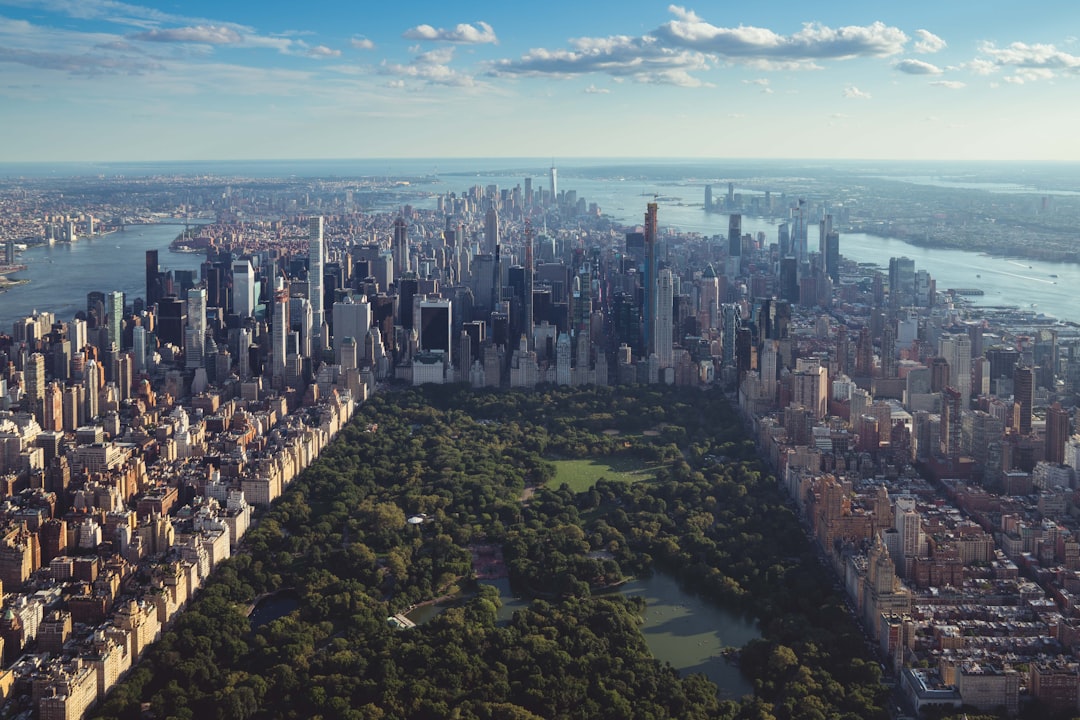

Central Park, the green lung of New York, is a place where nature and art intertwine in a unique embrace. In February 2005, the park became the stage for an extraordinary artistic installation: "The Gates" by Christo and Jeanne-Claude. This temporary work transformed the urban landscape into a visual and emotional experience that captured the imagination of millions of visitors.
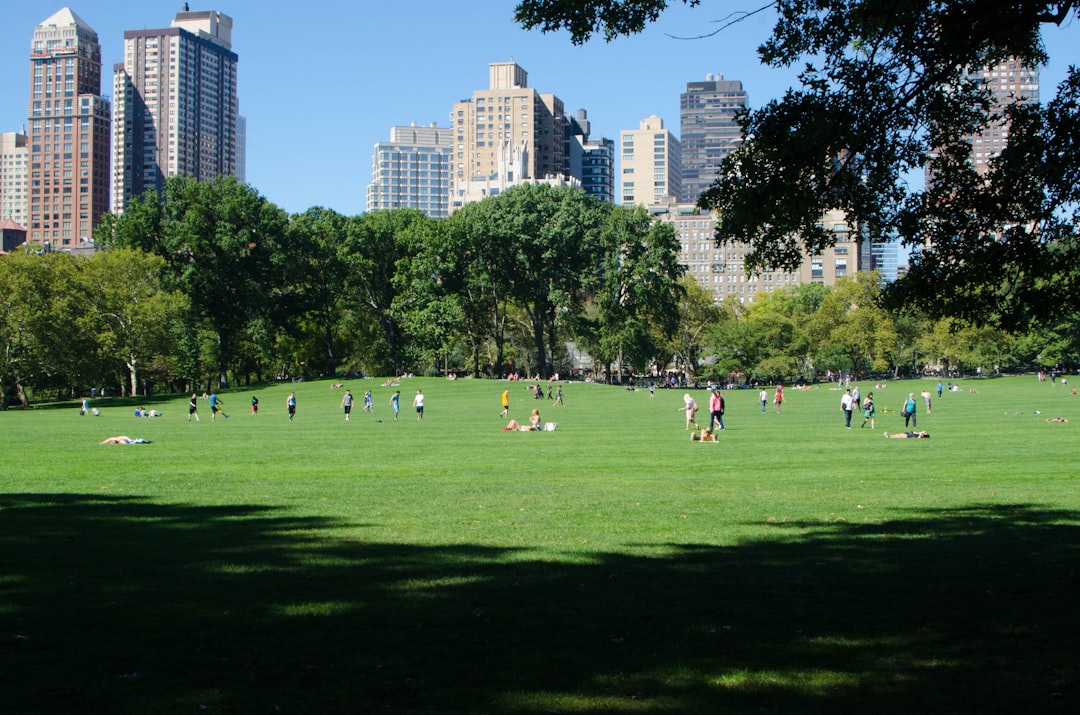
With 7,503 portal-shaped structures, each adorned with saffron-colored fabrics that floated in the wind, "The Gates" created a path of brightness and movement among the trails and ancient trees of Central Park. The installation was not just a work of art; it was an invitation to explore, to walk, and to experience art in a natural context. In this article, we will explore the genesis of this work, its impact, and how it transformed the way we perceive the park.
The vision of Christo and Jeanne-Claude
The story of "The Gates" begins many years before its realization. Christo and Jeanne-Claude, artists of Bulgarian and French origin, were known for their monumental installations that challenge conventions. Their vision for Central Park was to create a work that invited visitors to see the park with new eyes, a place where nature and art could coexist in harmony.
The process of creating "The Gates" was long and complex. After more than 26 years of planning, with permits and approvals from the city of New York, the installation finally came to life. Each gate, about 5 meters tall, was composed of a steel frame covered with fabric that gently waved in the wind. The visual effect was stunning, creating a flow of color that extended over 37 kilometers of paths in the park, inviting visitors to wander among the installations.
A unique sensory experience
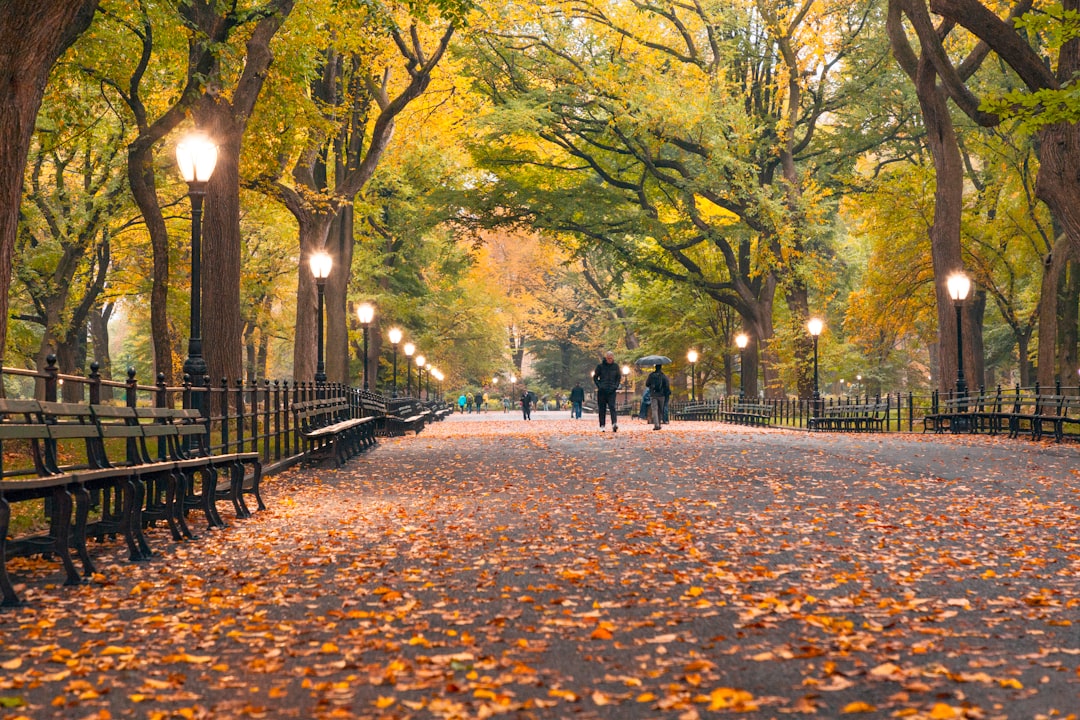
Walking through "The Gates" was a multisensory experience. Visitors not only admired the vibrant saffron yellow of the fabrics, but were also enveloped by a symphony of sounds: the rustling of the fabric in the wind, the chatter of passersby, and the singing of birds. Each gate created a new viewpoint, a new angle from which to observe the park and its natural beauties. The installation stimulated curiosity and encouraged contemplation, allowing visitors to reflect on the relationship between art and nature.
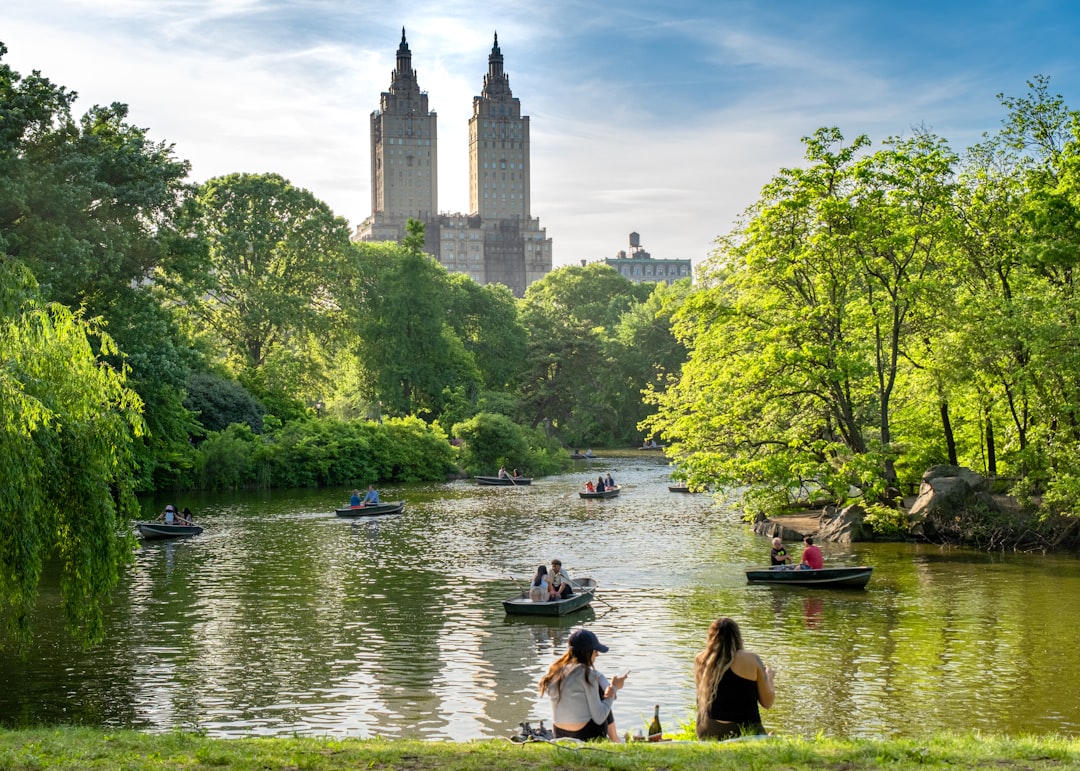
Many described the experience as a kind of meditation, a moment of pause from the hustle and bustle of urban life. The vibrant colors and the movement of the fabrics seemed to give new life to the surrounding environment, highlighting the beauty of the trees, lakes, and paths of Central Park. It was not just a work of art, but a total experience, capable of engaging all the senses.
The Legacy of "The Gates"
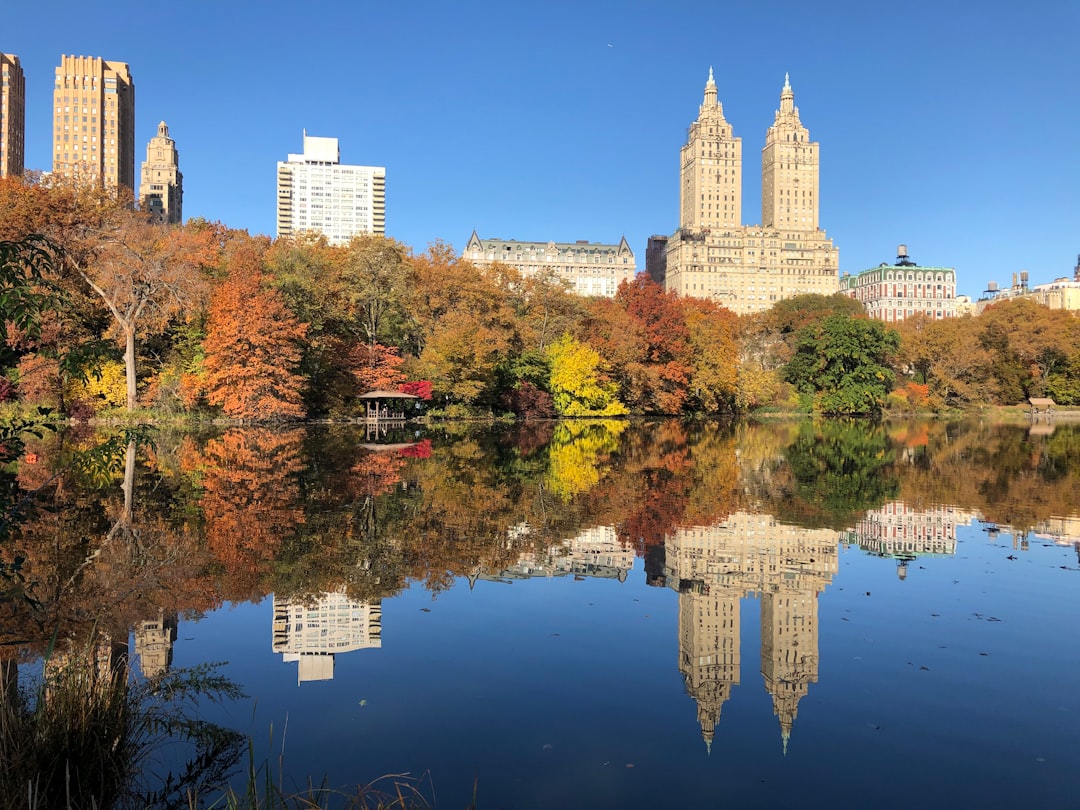
The duration of "The Gates" was limited to just two weeks, but its impact has been indelible. During that time, over 4 million people visited Central Park to admire the installation. The work demonstrated that art can be a powerful catalyst for the community, bringing together people of all ages and backgrounds in a shared experience.
Many visitors took away lasting memories of that installation, capturing moments and emotions through photographs and stories. "The Gates" inspired a renewed interest in public art and its ability to transform familiar places into spaces of reflection and discovery. The creativity of Christo and Jeanne-Claude opened the doors to a deeper dialogue about what art can represent and its role in everyday life.


