
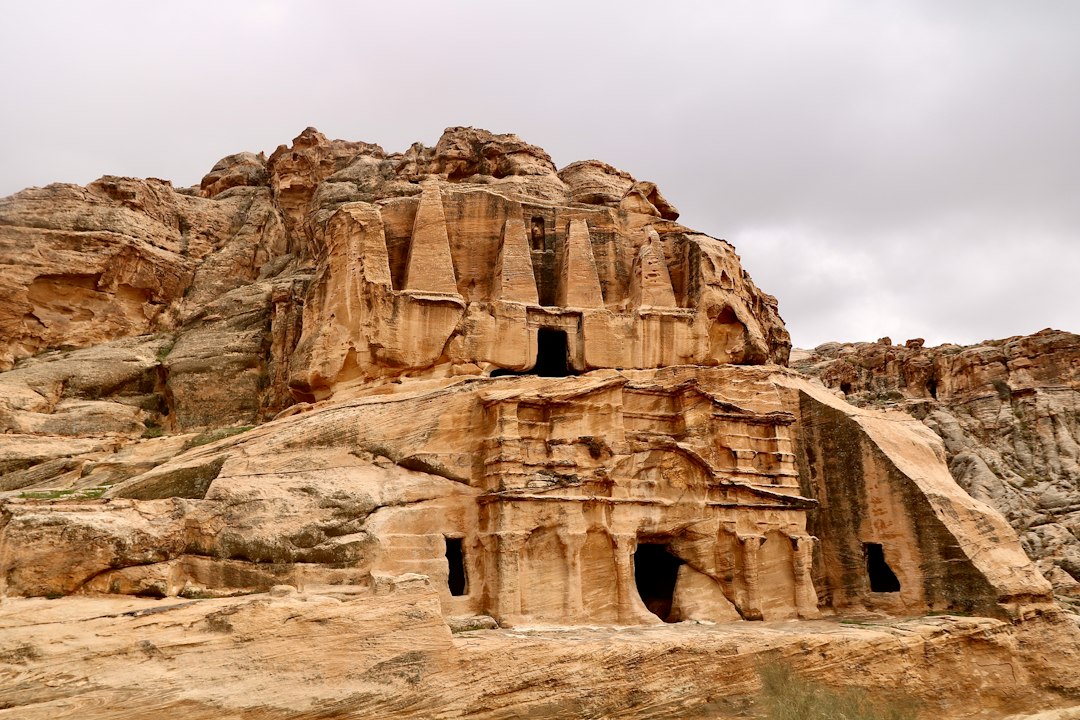

A sandstone statue of a camel, just over half a meter tall, welcomes the visitor as soon as they cross the threshold of the Petra Museum. It is a small but emblematic detail: the Nabataeans, a people of merchants and builders who dominated this region from the 4th century BC to the 1st century AD, had made caravan trade the foundation of their civilization, and this museum tells exactly that story through concrete, tangible objects extracted from the red earth of Wadi Musa.
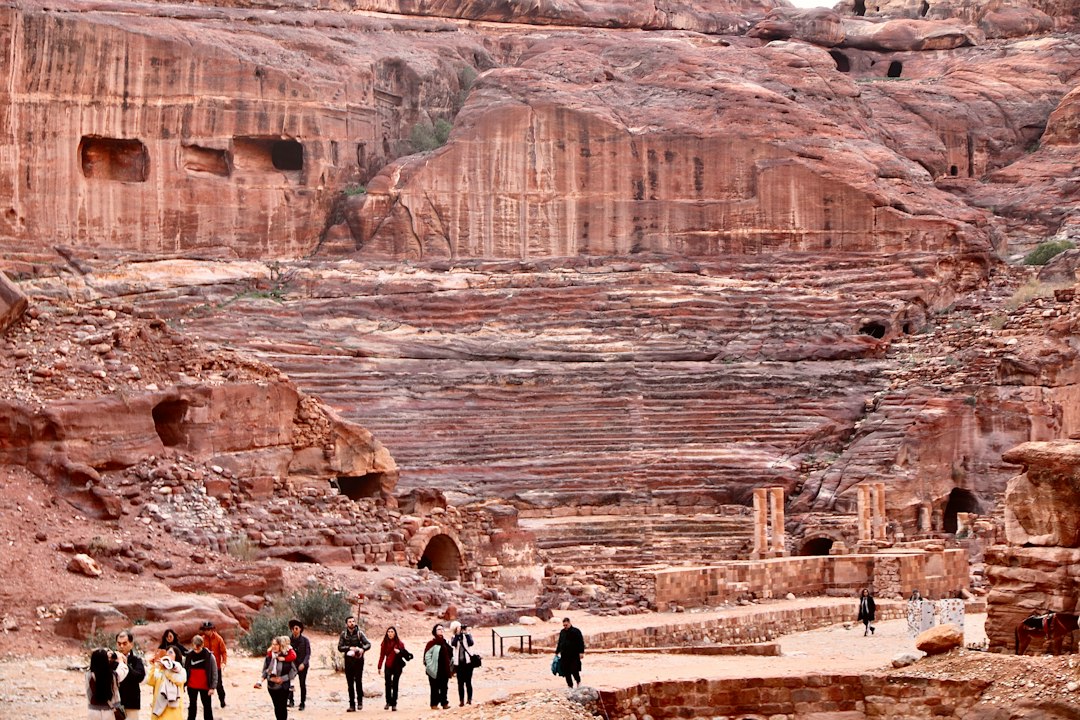
The Petra Museum, inaugurated in 2019 within the archaeological area of Petra, is located just a few steps from the main Visitors Centre, even before entering the Siq, the famous canyon that leads to the city carved into the rock. Its location is not accidental: the museum is designed as an introduction to the site, a way to contextualize what one is about to see, not an appendix to be visited at the end, when the legs are tired and the mind is saturated with images.
The collection: coins, statues, and everyday objects
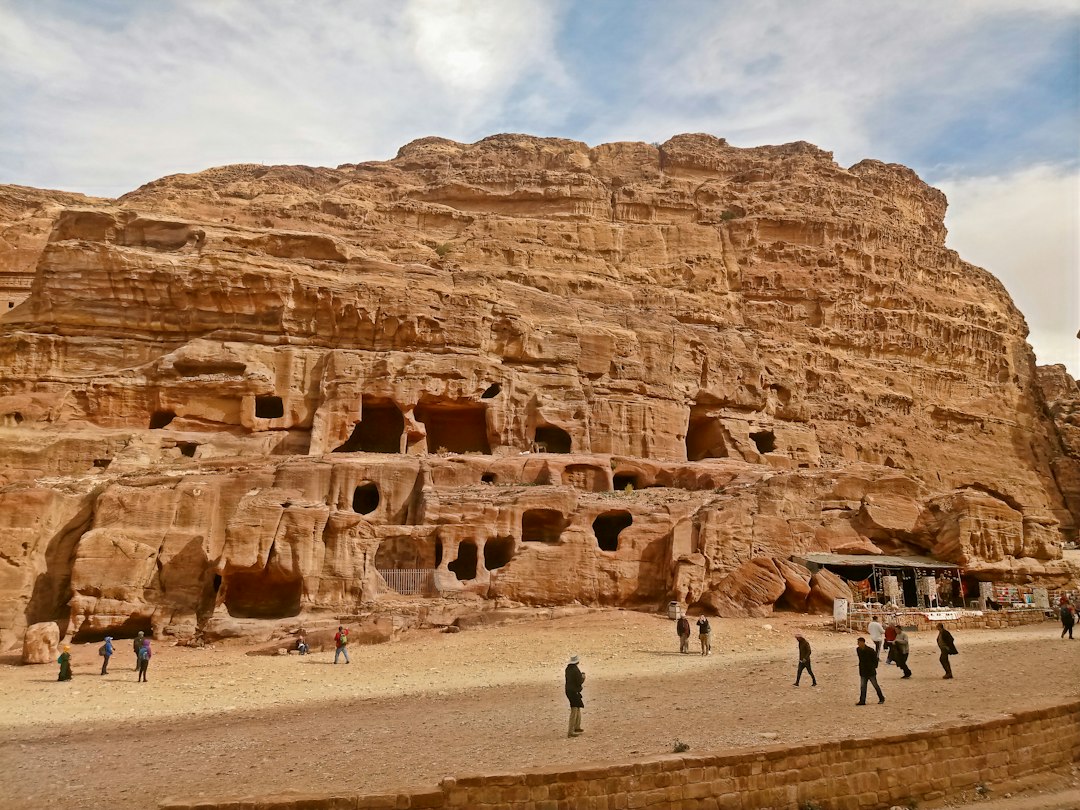
The exhibition path develops over two levels and hosts over 700 objects from the excavations conducted in Petra over decades of international archaeological research. Among the most significant pieces are Nabataean coins in bronze and silver, some dating back to the reign of Aretas IV, who ruled from 9 BC to 40 AD and was probably the sovereign under whom Petra reached its greatest splendor. These coins, small but extraordinarily detailed, show the profiles of the Nabataean kings with a precision that reveals the influence of Hellenistic art on the local culture.
Alongside the coins, the museum displays polychrome ceramics, blown glass unguentaria, gold and bronze jewelry, and a series of sandstone sculptures depicting Nabataean deities such as Dushara and Al-Uzza. Particularly interesting is the section dedicated to frescoes detached from some of the rock-cut tombs: fragments of painted plaster that demonstrate how the interiors of the structures, now bare and worn by the wind, were once decorated with vibrant colors.
The visual experience: how the museum is set up
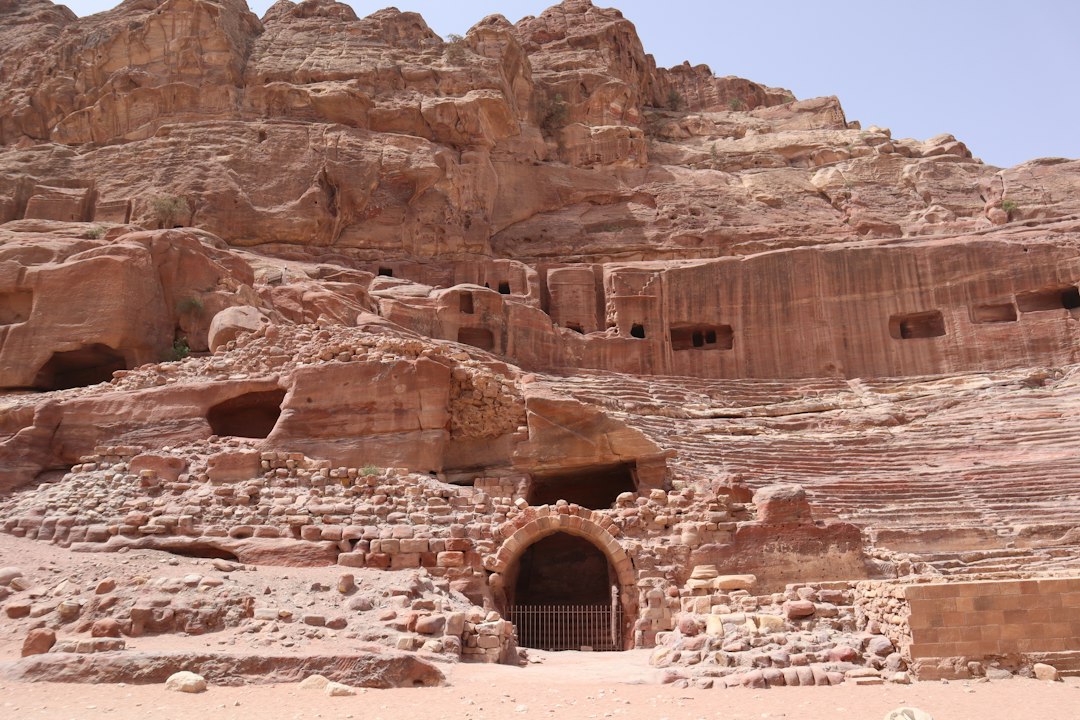
The setup is modern and functional, with explanatory panels in Arabic, English, and French. The display cases are illuminated with cool, directional light, which enhances the details of the sculpted surfaces without creating annoying reflections. Some sections use graphic reconstructions and interactive maps to explain the Nabataean trade network, which extended from southern Arabia to the Mediterranean, passing through Gaza and Damascus.
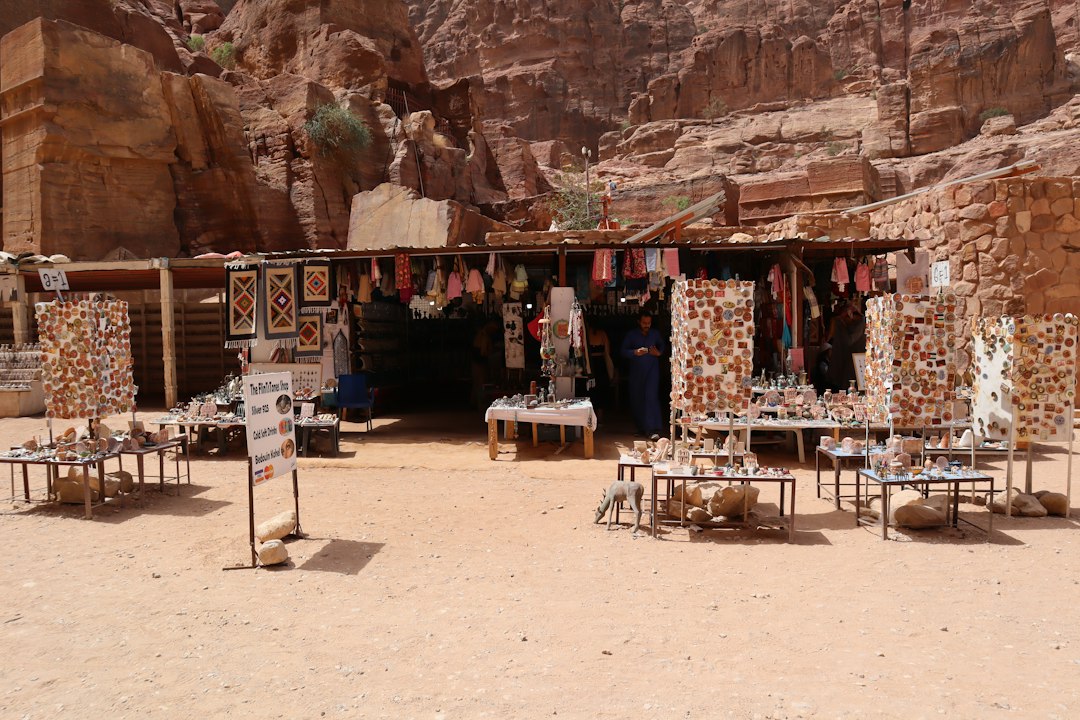
An entire room is dedicated to the Temple of the Winged Lions, a cult building discovered in the lower city of Petra and subject to excavations by American archaeologists since the 1970s. The artifacts displayed here include decorated architectural fragments and ritual objects that help to understand the religious practices of a people for whom written sources are scarce and often biased.
How to integrate the museum visit with the archaeological site
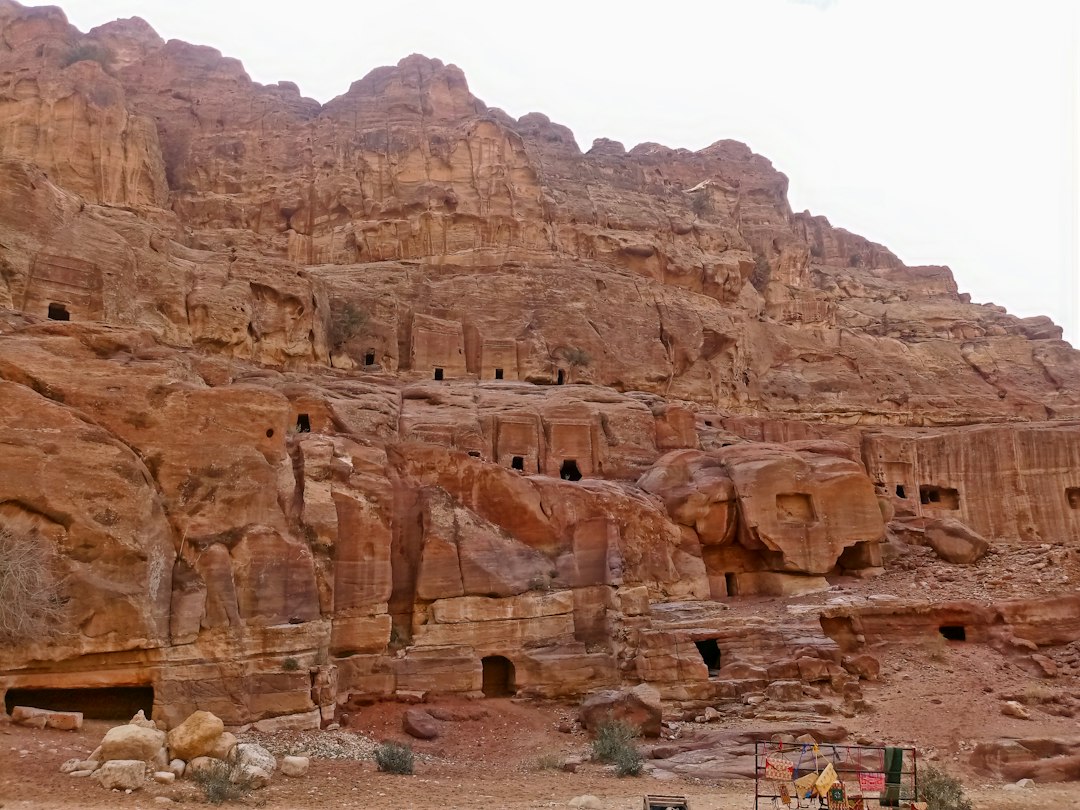
The most useful advice for those visiting Petra is to dedicate the first hour of the morning to the museum, before entering the Siq. The site opens at 6:00 AM, and in the early hours, the heat is bearable and the light is favorable for photography. The museum requires about 45-60 minutes for a complete and unhurried visit. Entering the site with an understanding of Nabataean chronology and the main religious symbols radically changes the experience: the Khazneh, the Monastery, the royal tombs stop being mere backdrops and become readable texts.
The entrance ticket to the Petra Museum is included in the Jordan Pass, the integrated tourist document that also covers the entry visa to Jordan and access to over 40 sites in the country. Those who do not have the Jordan Pass can purchase the ticket separately at the Visitors Centre ticket office. It is advisable to bring water, as there are no vending machines inside the museum, and to check the updated hours on the official website of the Jordan Special Regions Authority, which manages the site.
Why it is worth visiting even for those who already know Petra
Those who have already visited Petra in the past and return a second time often discover in the museum a dimension that they had previously ignored. Physically seeing a Nabatean perfume bottle from the 1st century, kept safe in a lit display case, and then walking among the tombs where similar objects have been found buried with the deceased creates a connection that is hard to achieve through books or documentaries.
The Petra Museum does not replace the thrill of the Siq or the vertigo of the Khazneh seen for the first time, but offers something different: the opportunity to view the Nabateans not just as builders of monumental backdrops, but as people who minted coins, traded perfumes, decorated their homes with colorful frescoes, and buried their dead with care. It is this humanity, conveyed through everyday objects, that is the museum's most valuable contribution to the understanding of one of the most visited archaeological sites in the world.


