
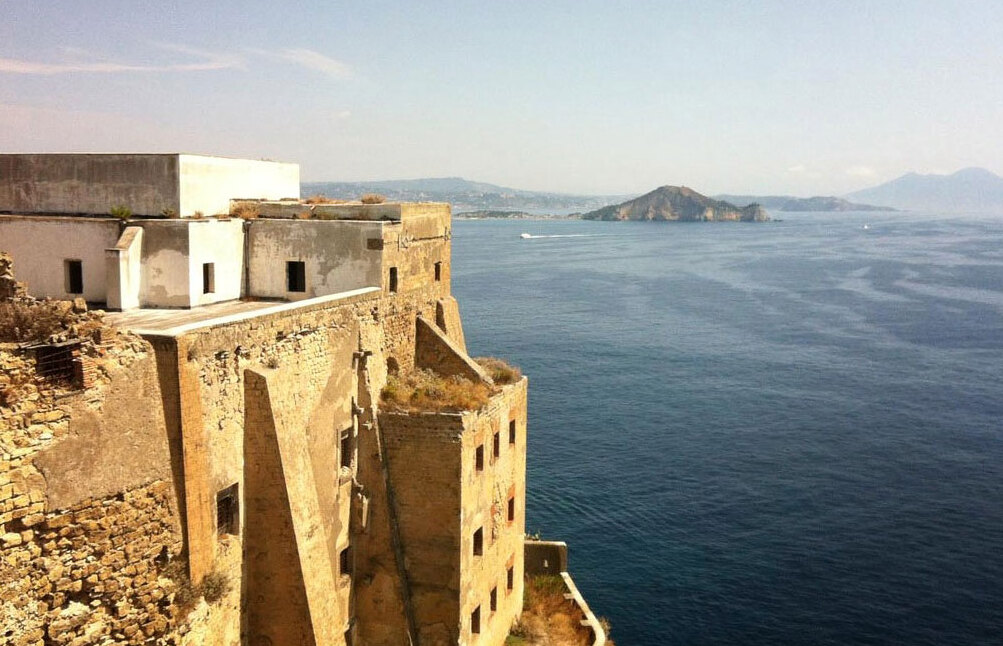

Perched on the tranquil island of Procida, the Bourbon penal bath, formerly the illustrious Palazzo D'Avalos, stands as a testament to the island's layered history. This imposing structure, whose foundations were laid in the late 16th century, was commissioned by Cardinal Innico d'Avalos and brought to life by the esteemed architects Cavagna and Tortelli. Originally conceived as a palatial residence, it later transformed into a notorious prison, encapsulating centuries of architectural and cultural shifts.
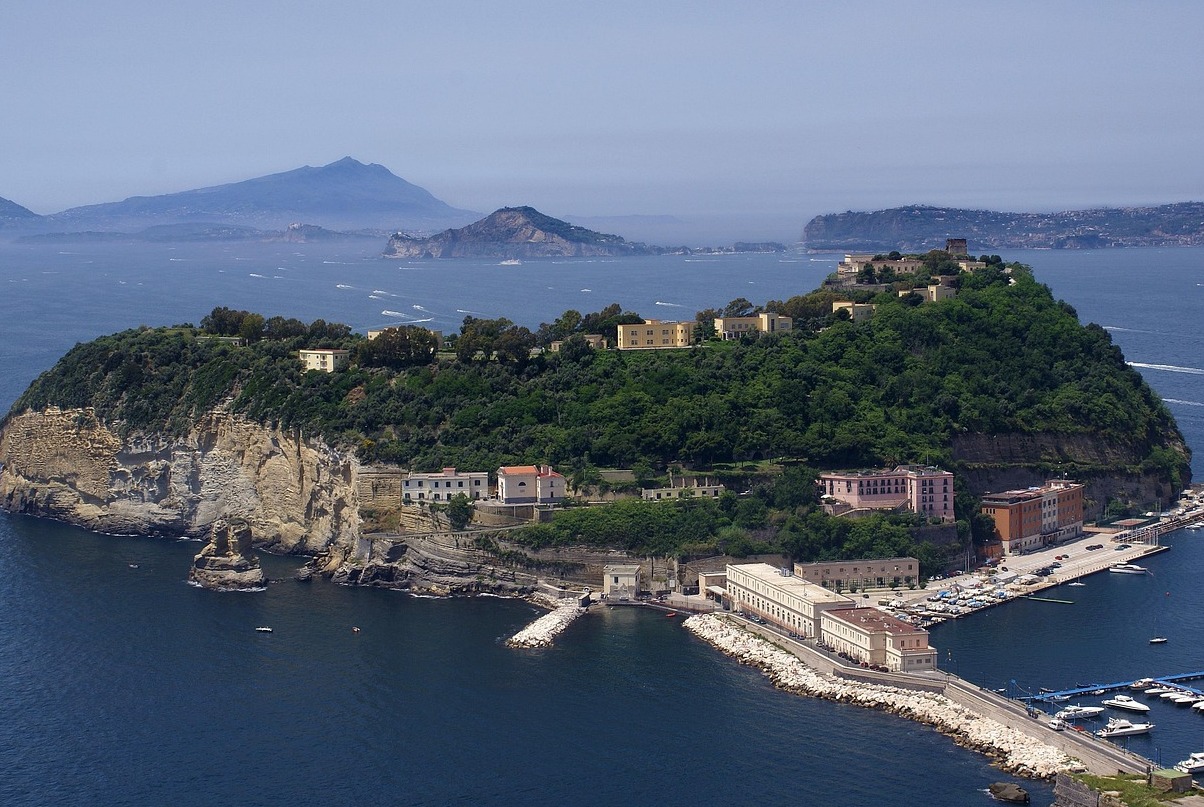
The Palazzo D'Avalos was initially a symbol of opulence and strategic power. The d'Avalos family, influential figures in Neapolitan society, sought to assert their dominance through this grand estate, strategically positioned with sweeping views of the Tyrrhenian Sea. By the 19th century, under the rule of the Bourbon monarchy, the palace was repurposed into a penal institution. It remained in this capacity until its closure in 1988, leaving behind a complex legacy of grandeur and grim confinement.
Architecturally, the palace is a striking blend of Renaissance and Baroque styles. Its robust fortifications and elegant facades speak to its dual purpose as both a residence and a fortress. Visitors can admire the intricate stucco work and frescoes that whisper stories of its noble past. The palace's transformation into a prison introduced stark contrasts; iron bars and austere cells juxtapose the ornate details, creating a hauntingly beautiful atmosphere that lingers in the minds of those who walk its corridors.
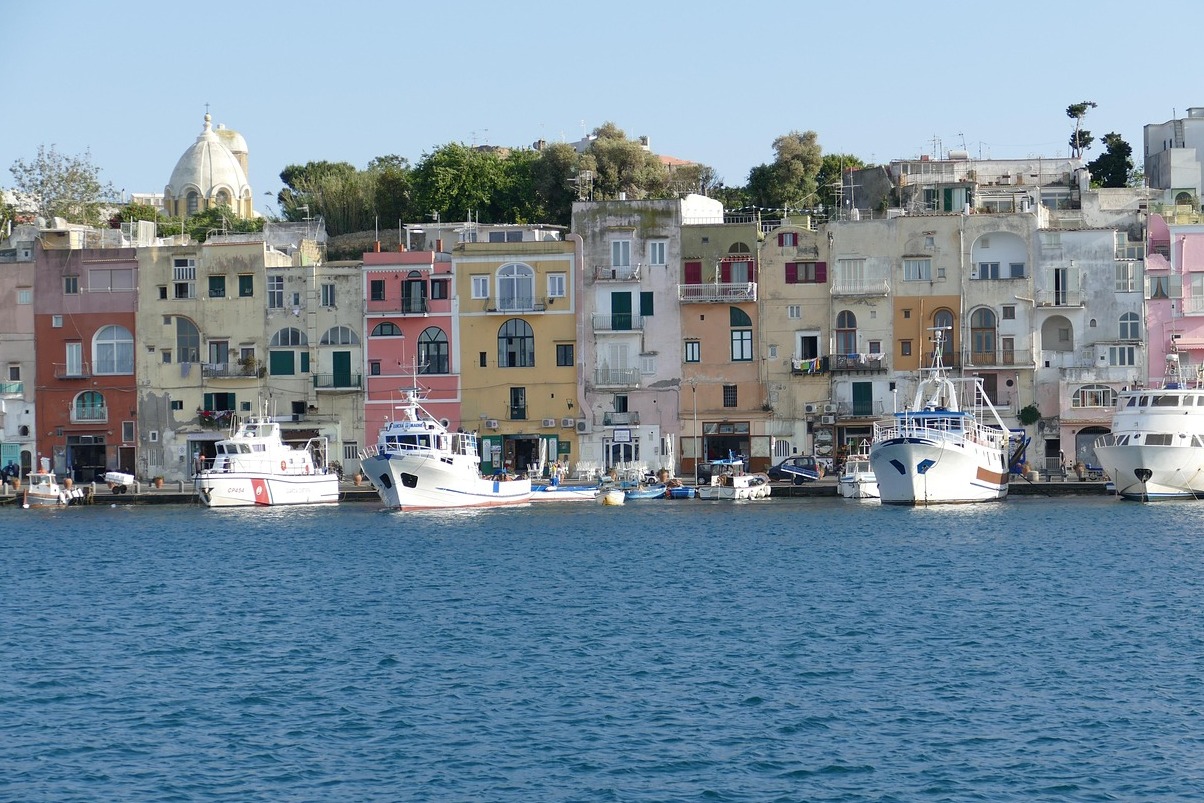
Procida itself is a vibrant tapestry of local culture and traditions. The island has long been a haven for artists and writers, drawn to its vivid landscapes and rich cultural fabric. One of the island's most cherished traditions is the annual Good Friday procession, a solemn yet visually stunning event where locals carry intricate wooden floats through the streets, depicting scenes from the Passion of Christ. This event encapsulates Procida's deep-rooted religious heritage and community spirit.
No visit to Procida is complete without indulging in its gastronomic delights. The island's cuisine is a celebration of the sea, with dishes like the iconic spaghetti alla procidana, featuring fresh mussels, tomatoes, and a hint of chili. Local eateries serve up linguine alle vongole and alici marinate—marinated anchovies that capture the essence of the Mediterranean. Pair these with a glass of the locally produced white wine, Falanghina, for an authentic taste of Procida's bounty.
Beyond its historical and cultural layers, Palazzo D'Avalos harbors lesser-known curiosities that intrigue the discerning traveler. Legend has it that the prison was once home to a mysterious inmate known only as "the prisoner of Procida," whose identity remains shrouded in mystery. The palace's gardens, now overgrown, offer a glimpse into a bygone era where prisoners once tended vegetables as part of their daily routine.
For those planning a visit, the best time to explore Procida and its historical gems is in the spring or early autumn, when the island basks in gentle sunlight and the summer crowds have dissipated. A guided tour is recommended to fully appreciate the intricate history and architectural marvels of the Bourbon penal bath. As you wander through its halls, look for the small details: the faded frescoes, the view through barred windows, the echoes of a once-powerful family and the whispers of its later inhabitants.
In a world where the old often gives way to the new, the Bourbon penal bath on Procida remains a steadfast guardian of history, culture, and mystery. Its walls have witnessed centuries of change, each era leaving an indelible mark on its storied past. As you step back into the sunlight after a visit, you'll carry with you a piece of Procida’s enduring spirit—an island where the past and present dance seamlessly, inviting the curious to explore its captivating depths.


