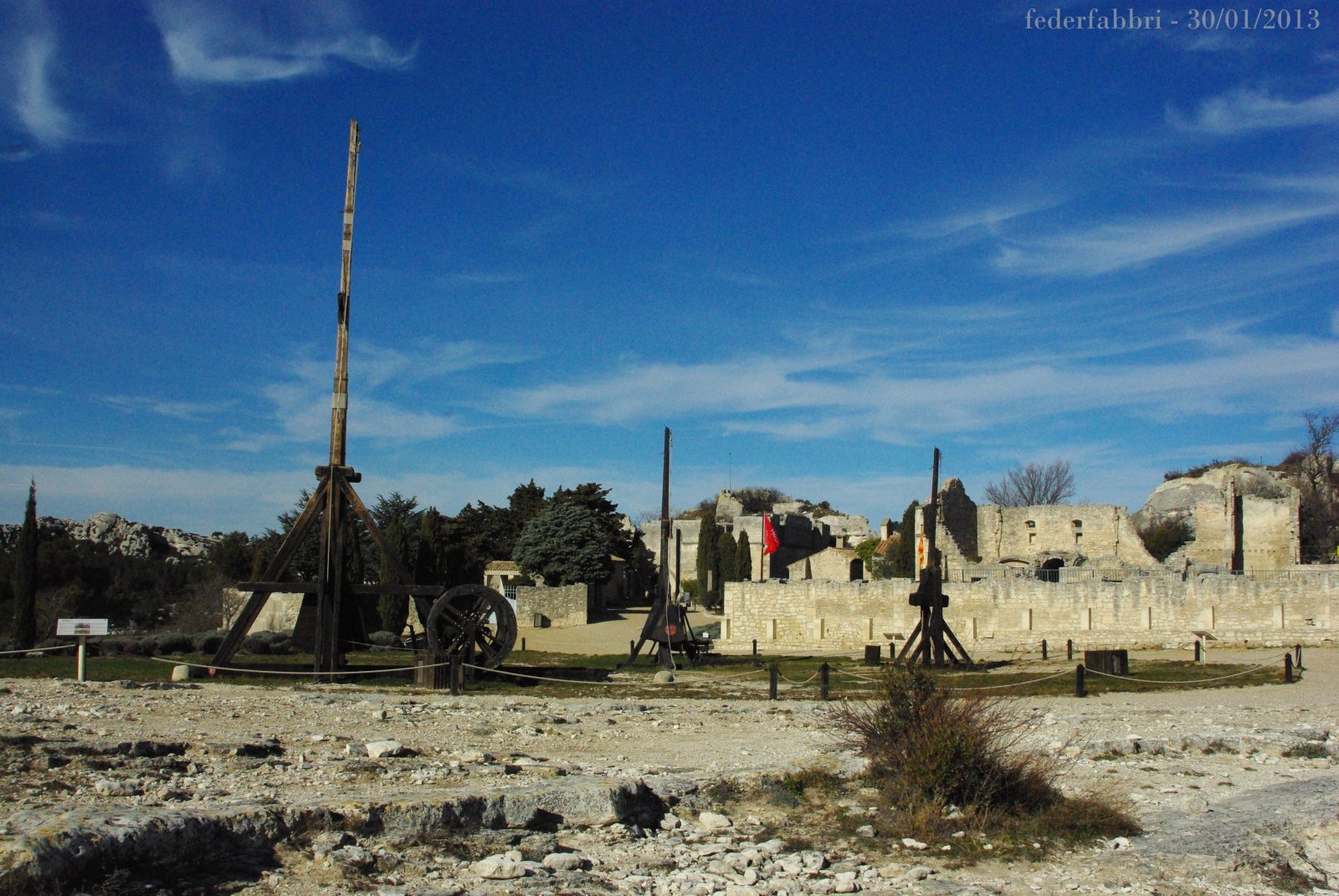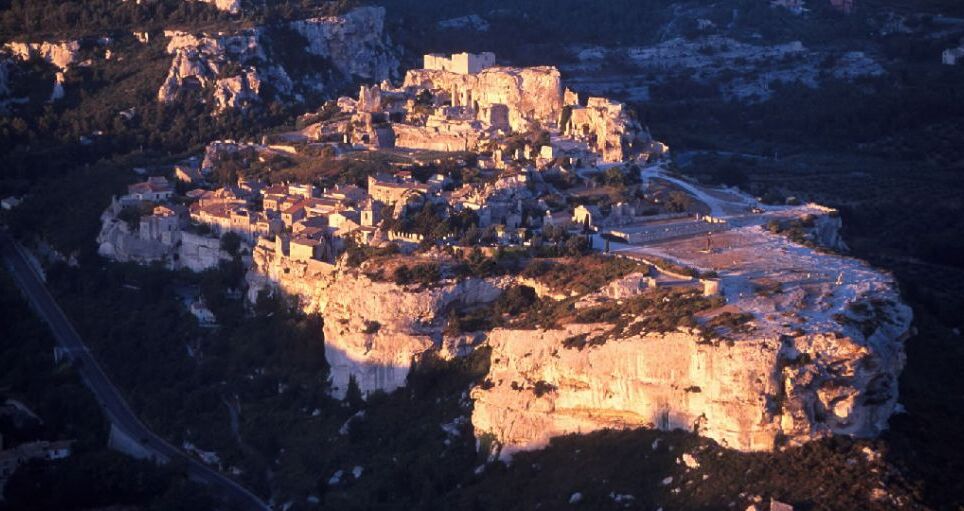

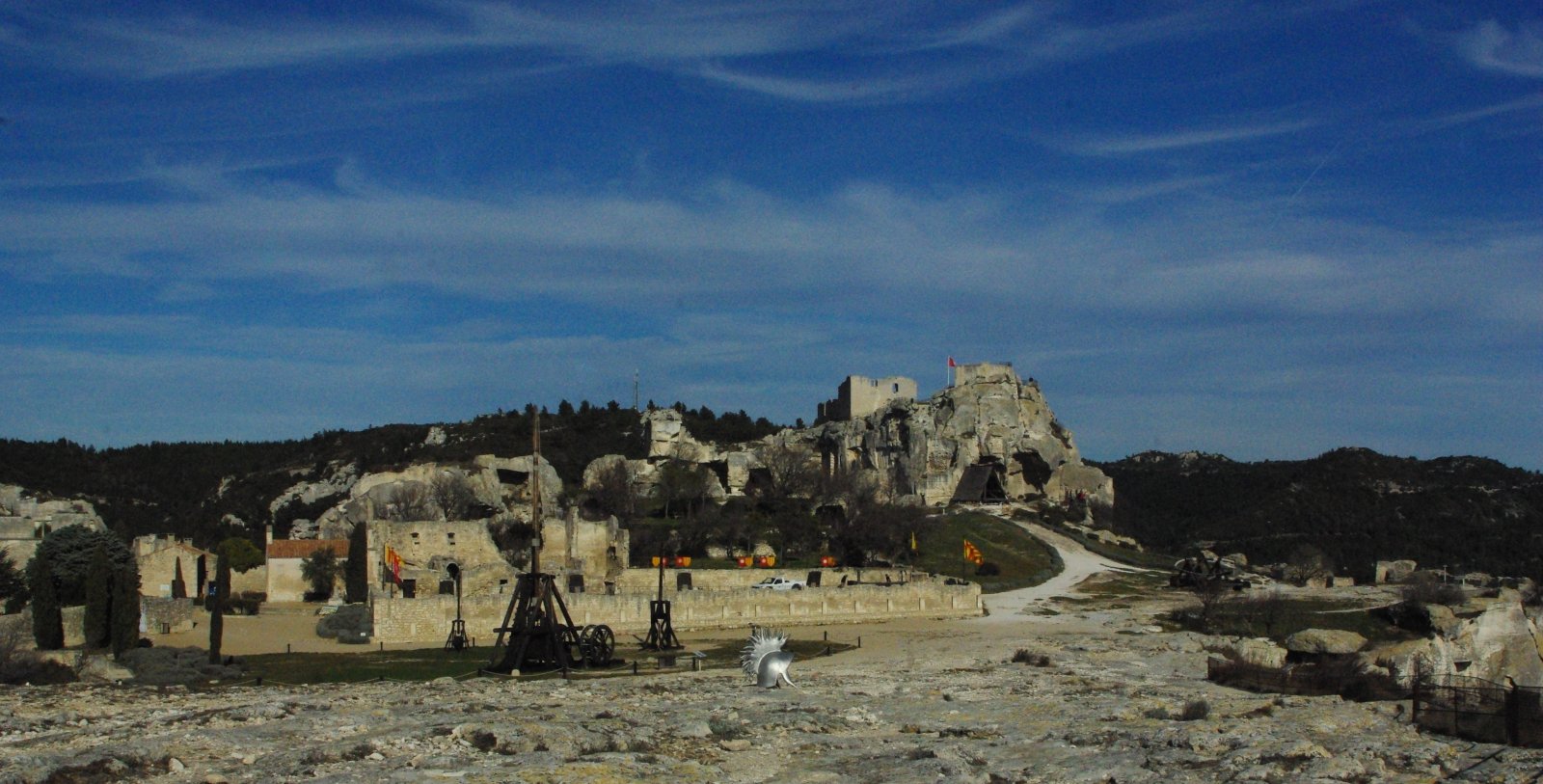
Perched dramatically atop a rocky outcrop, the Citadelle des Baux dominates the landscape of Les Baux-de-Provence, a charming village in the heart of the Alpilles mountains in southern France. This medieval fortress, with its rugged ruins and breathtaking vistas, tells a story of might, artistic brilliance, and the passage of time, captivating over a million visitors each year.
### History and Origins The history of the Citadelle des Baux is as tangled as the limestone cliffs it rests upon. The site has been inhabited since ancient Roman times, with evidence of settlements dating back to the 6th century BC. The strategic location was recognized by the Baux family, a noble lineage that flourished in the Middle Ages. The castle was fortified in the 10th century, becoming an essential stronghold during the conflicts of the Cathar Crusades in the 13th century.
By the 15th century, the fortress was a powerful symbol of feudal strength, housing a garrison of soldiers and a vibrant community. However, as the Renaissance dawned and regional peace was established, the castle fell into disrepair. By the 17th century, it was largely abandoned, becoming a picturesque ruin that would capture the imagination of artists and writers alike.
### Art and Architecture The Citadelle des Baux is a remarkable example of medieval architecture, characterized by its imposing stone walls and narrow passages that echo with history. Visitors ascend a steep and winding staircase, which is both a challenge and a reward, leading to panoramic views of the surrounding Provençal countryside.
Art enthusiasts will appreciate the open-air museum aspect of the castle, where various installations showcase multimedia art displays, including light shows and projections that bring the history of the site to life. The Château itself features remnants of Gothic and Romanesque styles, with sprawling courtyards and weathered battlements that tell tales of its storied past.
### Local Culture and Traditions The village of Les Baux-de-Provence is more than just the citadel; it is a tapestry of Provençal culture. The Fête de la Saint-Vincent, celebrated every January, honors Saint Vincent, the patron saint of winemakers, with parades, traditional music, and local wine tastings. Visitors can witness the vibrant folk traditions that remain alive in the village, including Provençal crafts and local markets that showcase regional artisans.
The village also hosts art exhibitions throughout the year, bringing contemporary artistic dialogues to the ancient stones, allowing visitors to connect with both history and modern creativity.
### Gastronomy No visit to Les Baux-de-Provence would be complete without indulging in the local gastronomy. The region is renowned for its olive oil, particularly the AOC Vallée des Baux-de-Provence, which is considered some of the finest in the world. Local specialties include tapenade, a delicious olive paste, and caillette, a traditional meat pie made with pork and herbs.
Wine lovers will relish the chance to taste the AOC wines of Les Baux-de-Provence, which benefit from the unique terroir of the region. The sun-drenched vineyards produce rich red wines and refreshing rosés that perfectly complement the local cuisine.
### Lesser-Known Curiosities While many tourists flock to the citadel for its stunning views and historical significance, few are aware of the intriguing legend that surrounds the site. The name 'Baux' is believed to come from the Occitan word for 'rock', and the area was once rumored to be the home of Vampires in the Middle Ages. Additionally, the citadel contains remnants of ancient siege machines, including a massive trebuchet, which adds an element of adventure to the exploration of the site.
### Practical Visitor Information The best time to visit Les Baux-de-Provence is during the spring and fall months, when the weather is mild, and the crowds are less intense. The citadel is open year-round, but summer can be particularly hot, making the steep climb more challenging.
To fully appreciate the citadel, aim to arrive early in the day to enjoy the serenity of the morning and capture stunning photographs of the landscape. Make sure to wear comfortable shoes, as the uneven paths can be tricky. Don’t forget to explore the quaint streets of the village, which are filled with artisanal shops and charming cafes.
As you plan your visit, consider the Secret World app for a personalized AI itinerary that will guide you through the enchanting experiences of Les Baux-de-Provence.