

Perched amidst the verdant Sahyadri ranges, the Bedse Caves offer a tranquil escape into the annals of history. Located near Pune, India, these ancient rock-cut caves transport visitors back to the 1st century BC, making them some of the oldest in Maharashtra. Though they may lack the grandeur of later cave temples, their simplicity holds a captivating charm, enriched by the stories of time etched into their stone walls.
The history of Bedse Caves is a testament to the early spread of Buddhism in India. Founded around 60 BC, these caves were once a bustling monastic settlement. They are believed to have been patronized by the Satavahanas, an ancient Indian dynasty renowned for their support of Buddhist architecture. Nestled in the Western Ghats, the caves served as a sanctuary for monks seeking solitude and spiritual enlightenment. Over time, they became a waypoint for traders and travelers traversing these ancient routes, further enriching their historical tapestry.
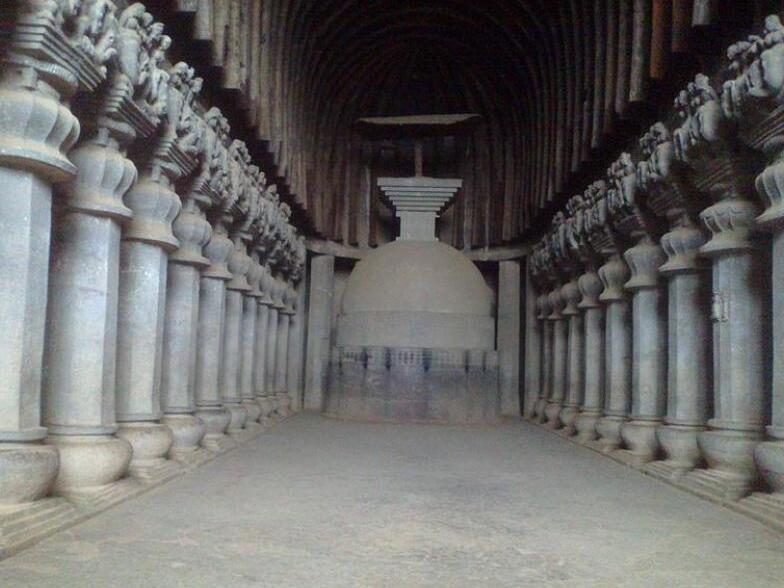
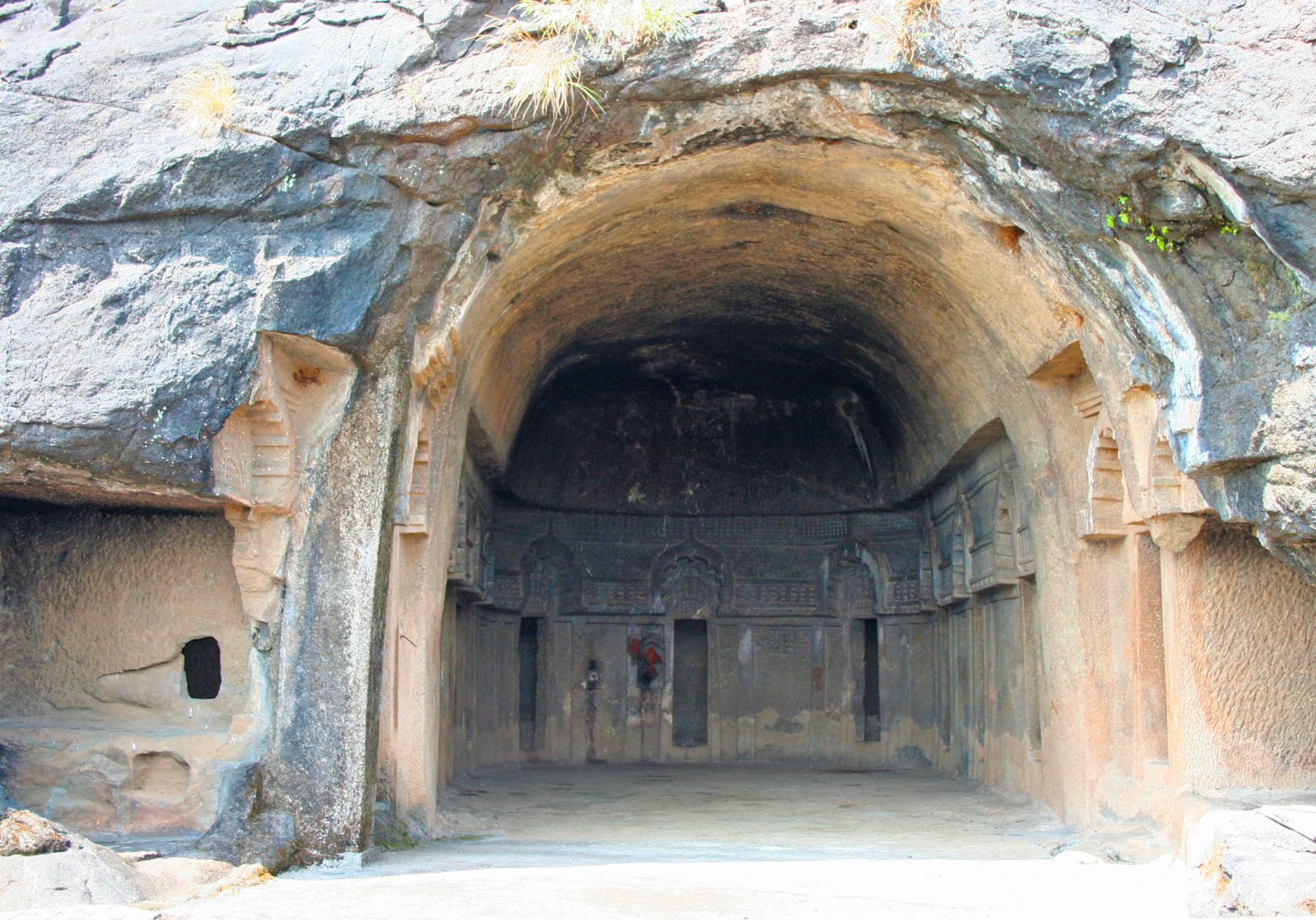
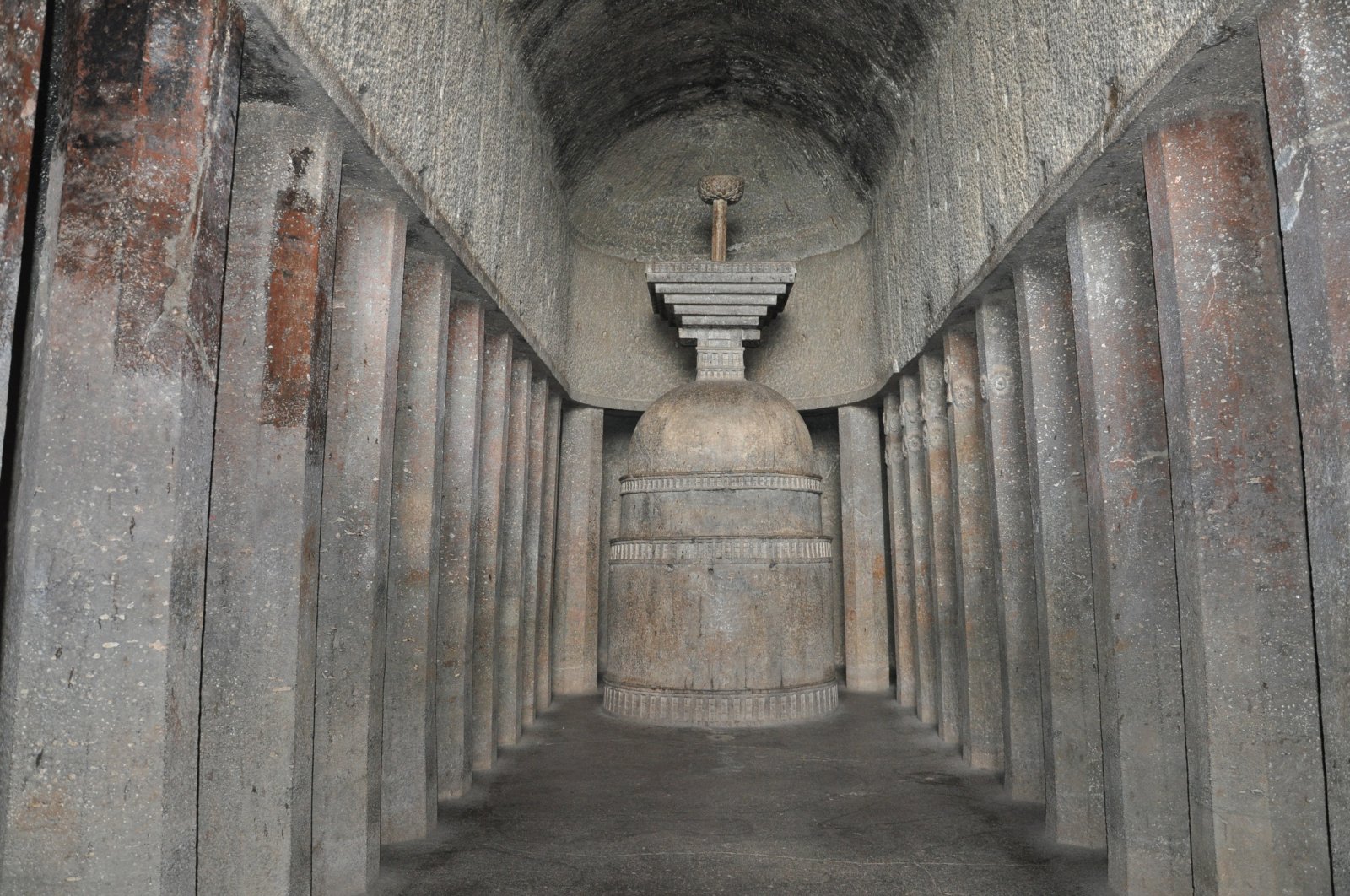
The artistic simplicity of the Bedse Caves is their defining feature. The complex consists of two main caves: a chaitya (prayer hall) and a vihara (monastic dwelling). The chaitya is particularly striking, with its horseshoe-shaped entrance allowing natural light to flood the interior, illuminating the intricate carvings. Notable among these is the stupa, a domed structure symbolizing the Buddha’s presence. The vihara, though more modest, offers a glimpse into monastic life, with its rock-cut cells that once housed meditative monks. The restrained yet elegant carvings reflect the Hinayana phase of Buddhist architecture, focusing on simplicity and spiritual purity.
The cultural landscape surrounding the Bedse Caves is steeped in regional traditions and festivities. The caves are a revered site for local communities, who celebrate their historical significance during the Buddha Purnima festival. This festival, commemorating the birth, enlightenment, and death of the Buddha, sees pilgrims flock to the caves to offer prayers and partake in communal feasts. Nearby villages often host traditional performances of lavani, a folk dance that brings vibrant storytelling to life, adding a cultural dimension to the visit.
Pune’s culinary scene provides a delightful companion to the historical exploration of the Bedse Caves. Visitors can savor local Maharashtrian delicacies, with dishes like pithla bhakri—a spicy chickpea flour curry served with bhakri, a type of flatbread—offering a taste of regional flavors. Another must-try is misal pav, a spicy curry of sprouted lentils topped with crunchy farsan, typically accompanied by pav, a soft bread roll. For a sweet finish, indulge in puran poli, a sweet flatbread stuffed with a mixture of chana dal and jaggery, epitomizing the region's penchant for balancing spice with sweetness.
While the Bedse Caves are not as frequented as their more famous counterparts, such as the Ajanta and Ellora caves, they harbor a few secrets that enhance their mystique. One lesser-known curiosity is the Vihara Cave’s hidden inscription, a faded Prakrit script that quietly narrates the cave’s ancient patronage. Another intriguing aspect is the natural echo phenomenon within the chaitya hall, where whispers seem to reverberate through time, creating an ethereal auditory experience.
For those planning a visit, the best time to explore the Bedse Caves is between October and February, when the weather is pleasantly cool. Early morning visits are recommended, as the caves tend to bask in a golden glow as the sun rises over the hills. The ascent to the caves involves a moderate climb of about 400 steps, flanked by lush greenery and the occasional sight of local wildlife. Visitors should wear comfortable shoes and carry water, ensuring a pleasant trek to the site.
Upon reaching the caves, take a moment to pause and absorb the tranquil surroundings. Look for the chaitya’s finely crafted pillars adorned with elephant motifs, a hallmark of ancient Indian artistry. As you delve deeper into the shadows of the vihara, envision the quiet meditations of monks who once dwelled here, finding solace amidst the rugged beauty of the Sahyadris.
In conclusion, a journey to the Bedse Caves is not merely a historical excursion but a sensory experience that intertwines nature, spirituality, and culture. It invites travelers to step off the beaten path and uncover the quiet grandeur of one of Maharashtra’s hidden treasures, where history whispers through the wind-carved stones.


