
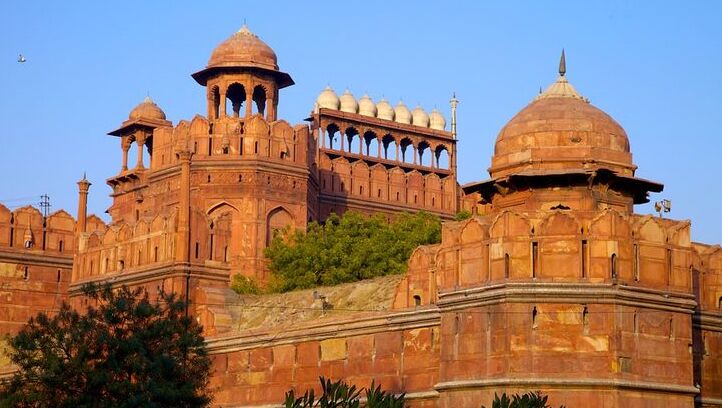

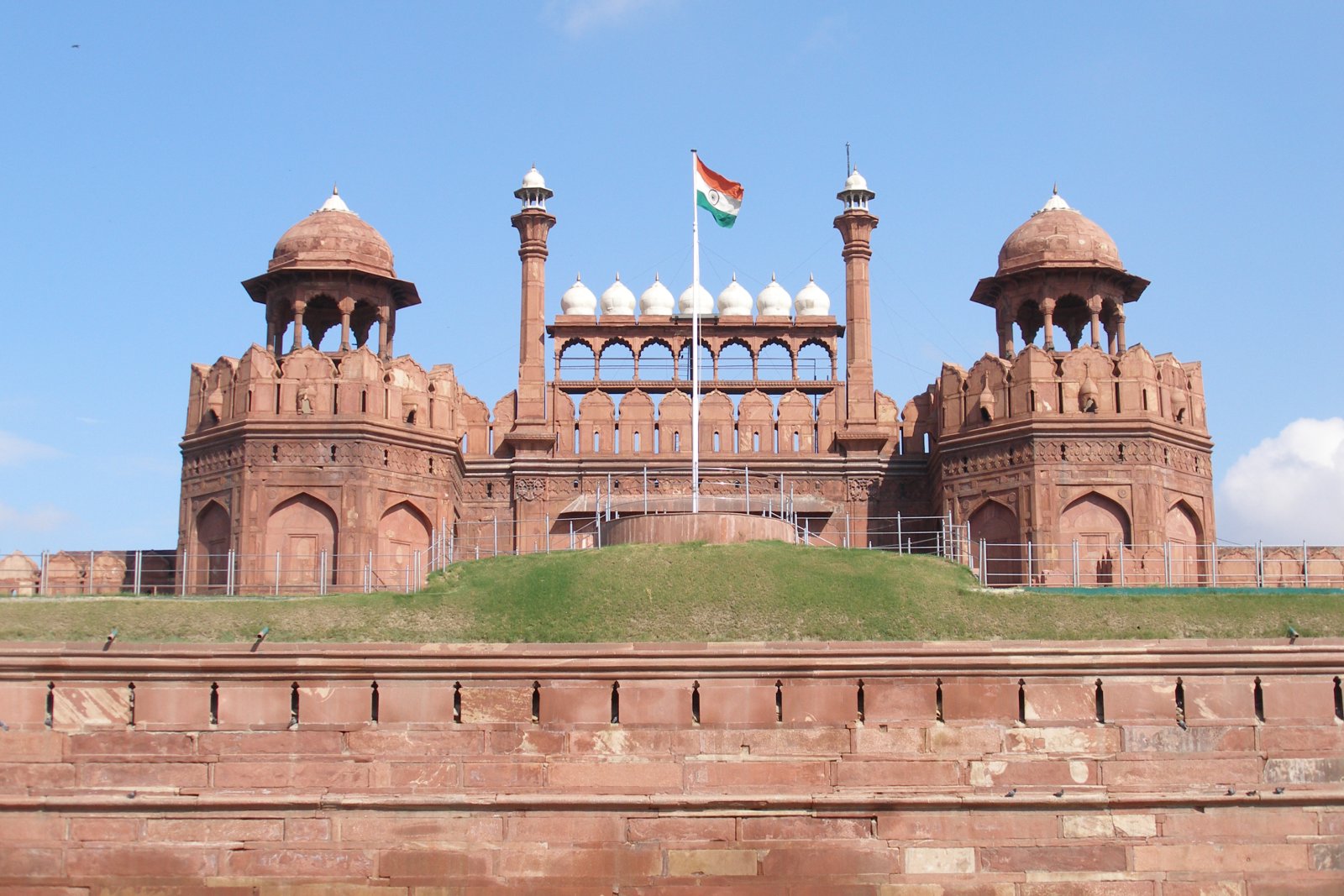
Standing majestically against the backdrop of New Delhi, the Red Fort (Lal Qila) is not just a fort but a testament to the grandeur of the Mughal Empire. Built in 1638 by Emperor Shah Jahan as the capital of his empire, this UNESCO World Heritage Site is a striking symbol of India's rich history and architectural brilliance. The fort’s name derives from its imposing walls of red sandstone, which are a defining feature of its structure. Spanning over 2.41 kilometers, it served as the residence of the Mughal emperors for nearly 200 years until the British colonial rule began in 1857. The Red Fort has witnessed significant historical events, including the First War of Indian Independence in 1857 and remains a focal point of national celebrations, particularly Independence Day, when the Prime Minister hoists the national flag here every August 15th.
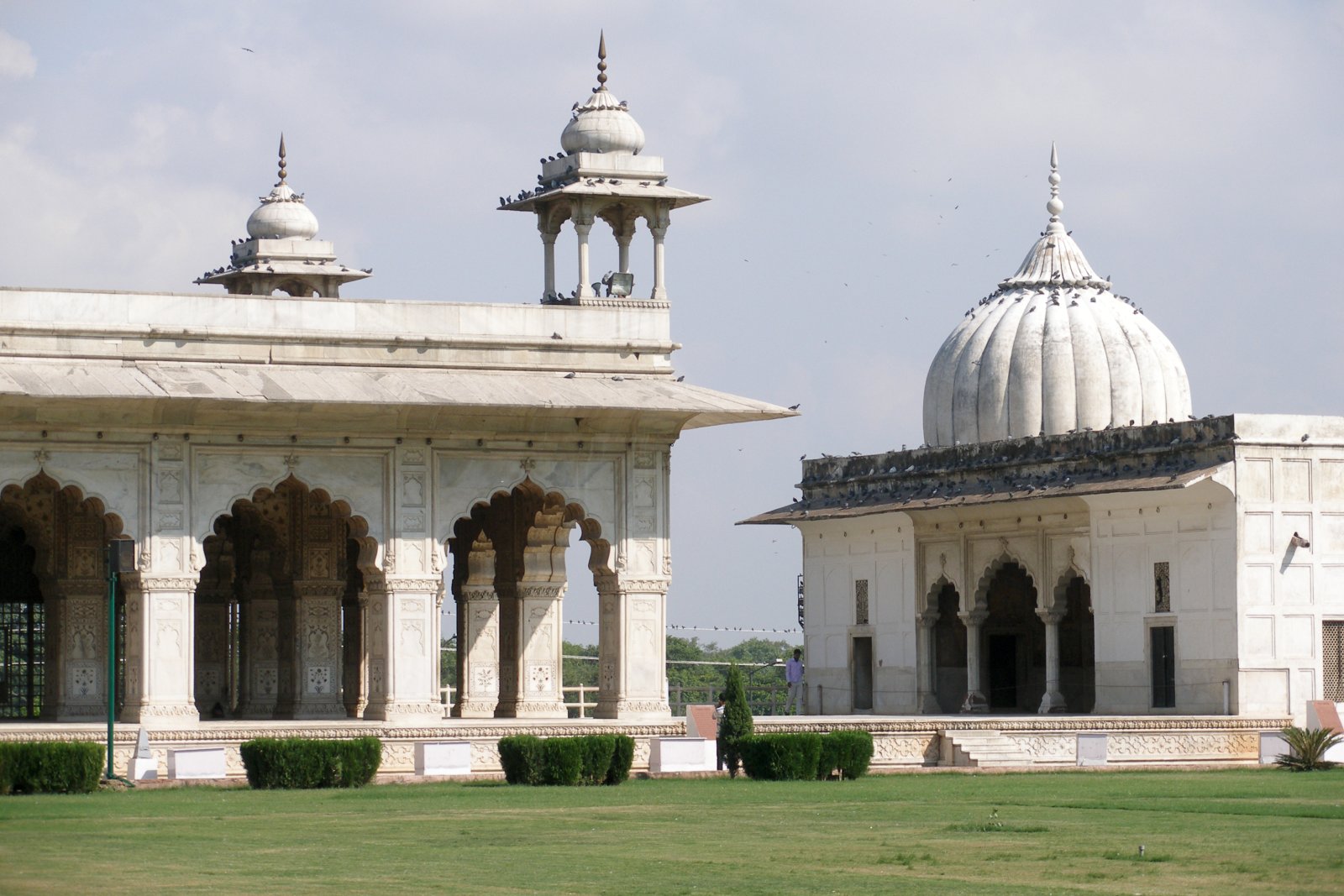
The architecture of the Red Fort is a remarkable blend of Persian, Timurid, and Indian styles, showcasing the grandeur of Mughal design. The fort’s layout consists of an impressive series of gates, gardens, and palaces, with the Diwan-i-Aam (Hall of Public Audience) and Diwan-i-Khas (Hall of Private Audience) standing out for their exquisite beauty. The Peacock Throne, once situated in the Diwan-i-Khas, was adorned with precious gems and signified imperial authority. One cannot miss the Moti Masjid (Pearl Mosque), a stunning example of white marble architecture that evokes purity and tranquility, or the Nahr-i-Bihisht (Stream of Paradise), which once provided water to the royal baths, creating a serene environment for the emperors.
Culturally, the Red Fort is deeply embedded in the traditions of Delhi. It serves as a venue for various festivals, including the Delhi Durbar, a grand assembly of the Mughal court, and is now a stage for cultural performances that celebrate Indian heritage. The fort also houses the National Museum of Natural History, which educates visitors about India's diverse ecology and environment. The surrounding area is vibrant with local artisans showcasing traditional crafts, such as zari work, and handmade textiles, allowing visitors to immerse themselves in the local culture.
When it comes to gastronomy, the vicinity of the Red Fort is renowned for its delectable street food. Visitors can indulge in local delights such as chole bhature, parathas, and sweet treats like jalebi and kulfi. The nearby Chandni Chowk market offers a sensory overload, where every corner is filled with the aroma of spices and freshly prepared dishes, making it a must-visit for food enthusiasts.
For those eager to uncover hidden gems, the Red Fort has a few lesser-known curiosities that may surprise even seasoned visitors. One such detail is the intricate carvings of flowers and fruits found throughout the fort, symbolizing paradise and abundance. Moreover, the fort’s Mumtaz Mahal (the queen's palace) has a secret tunnel that was said to connect to Shah Jahan's beloved Taj Mahal, allowing for clandestine meetings. This intriguing narrative adds a layer of romance and intrigue to the fort’s storied past.
Visiting the Red Fort is best done in the cooler months from October to March, when the weather is pleasant for exploration. Early mornings are particularly magical, as the fort is less crowded, allowing for a peaceful experience while soaking in its history. Be sure to look for the Sound and Light Show that narrates the fort’s history through captivating visuals and storytelling.
As you plan your visit to this iconic landmark, consider downloading the Secret World app for personalized itinerary suggestions, ensuring you don’t miss any of New Delhi’s treasures.


