
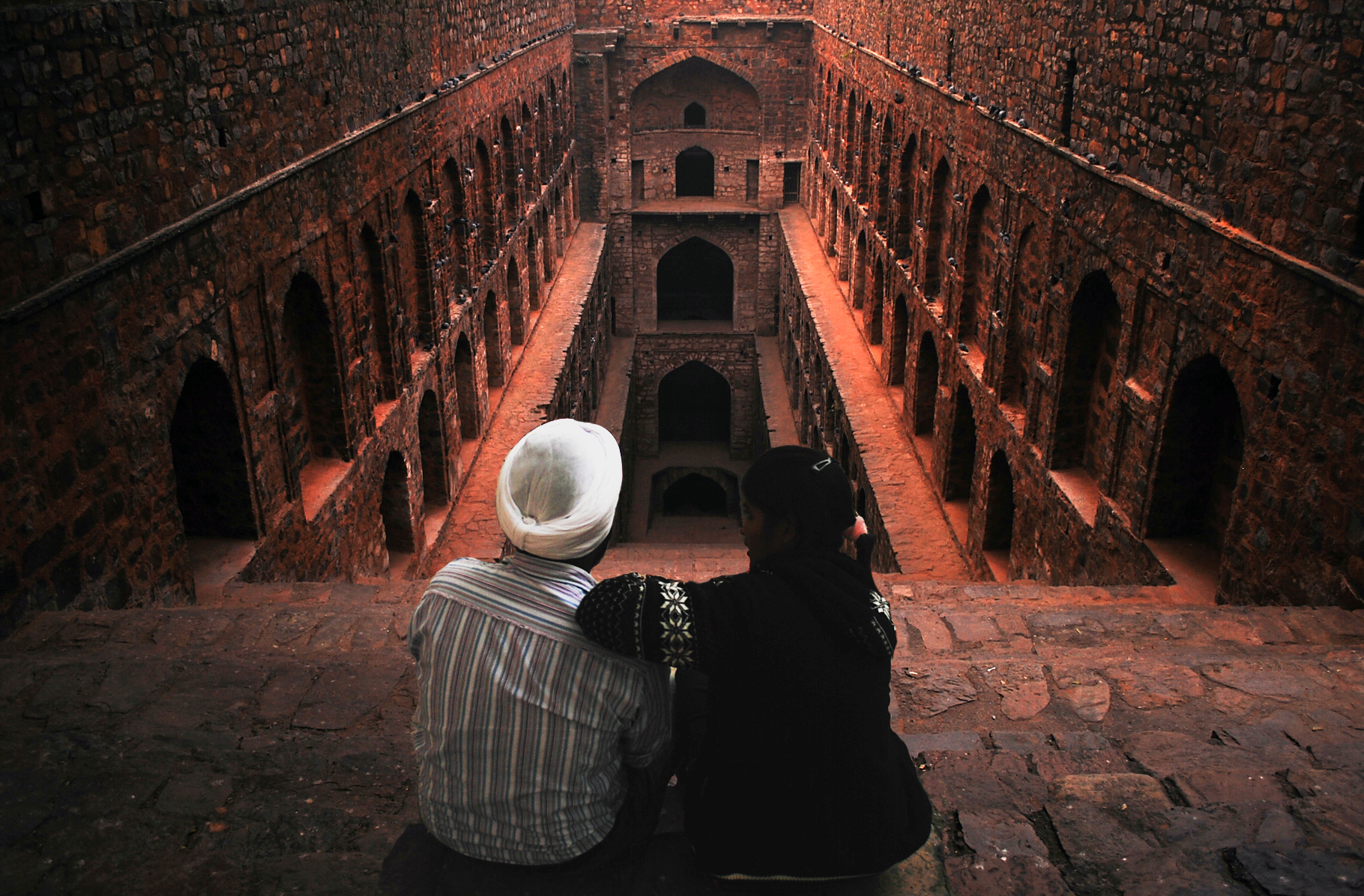

In the heart of bustling New Delhi lies a hidden gem that whispers tales of ancient times and echoes with the footsteps of history—Agrasen Ki Baoli. This serene yet eerie stepwell is a testament to India's rich historical tapestry, offering a rare glimpse into the architectural and cultural grandeur of bygone eras. Despite its location amidst the modern chaos of Connaught Place, it remains a tranquil escape into the past, shrouded in mystery and legend.
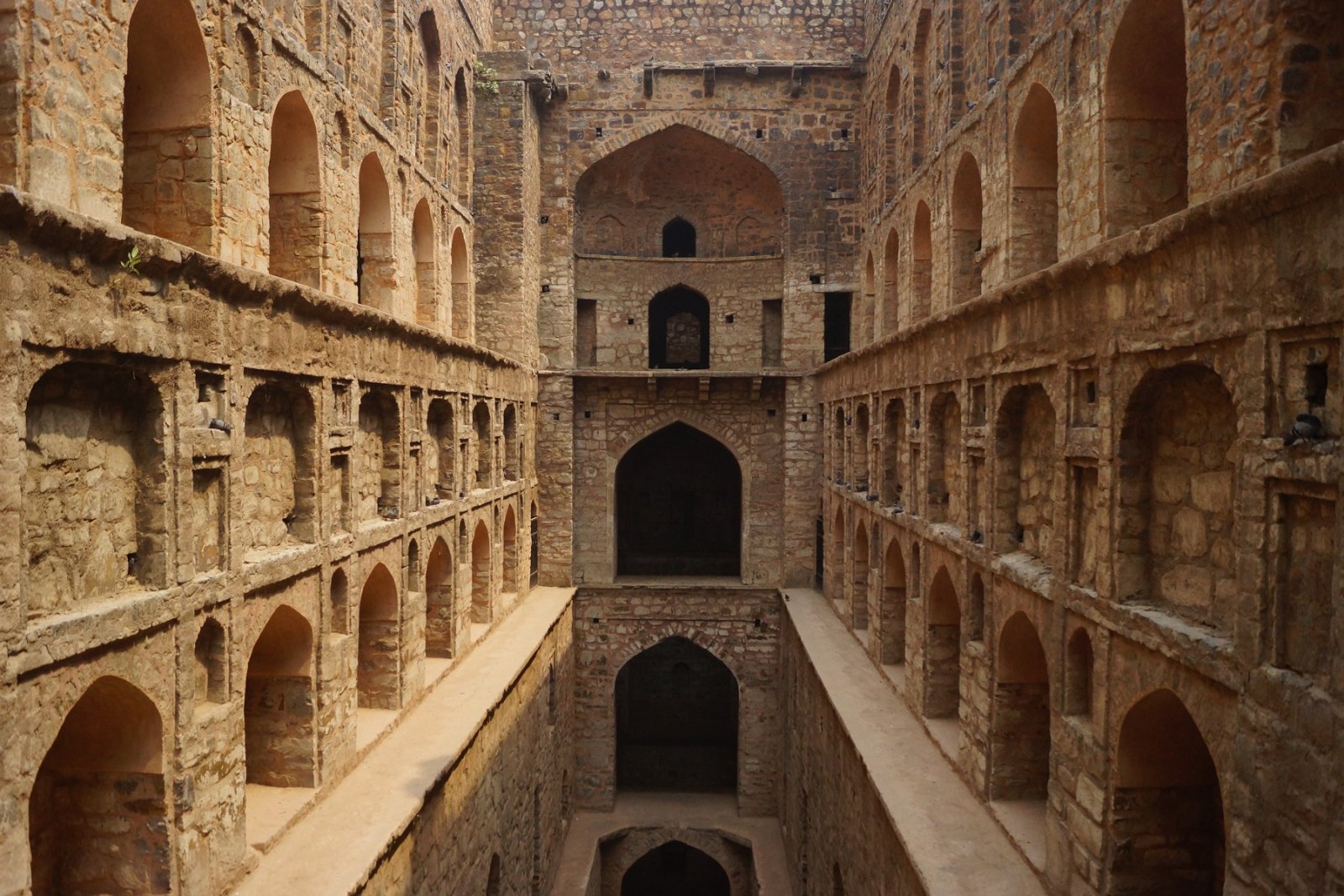
The origins of Agrasen Ki Baoli are as fascinating as the structure itself. It is believed to have been originally constructed by the legendary Rajput king Agrasen during the Mahabharata era, though its exact origins are cloaked in myth. The present structure, however, is attributed to the 14th century, during the rule of the Agrawal community who renovated it. This stepwell served not only as a water reservoir but also as a communal gathering place, reflecting the ingenious engineering of the time. Throughout its history, Agrasen Ki Baoli has stood resilient in the face of the city's dynamic evolution, preserving its heritage and architectural integrity.
The architecture of Agrasen Ki Baoli is a masterpiece of design, with its three levels descending into the earth, each embodying distinct architectural elements. The stepwell stretches 60 meters in length and 15 meters in width, and its intricate arches and geometric patterns are a feast for the eyes. Made primarily of rubble masonry, the structure is a fine example of the Tughlaq style, characterized by simplicity and strength. The stepped corridors create a dramatic play of light and shadow, adding to its allure and mystique. As you descend the 108 steps, you feel as if you're journeying back in time.
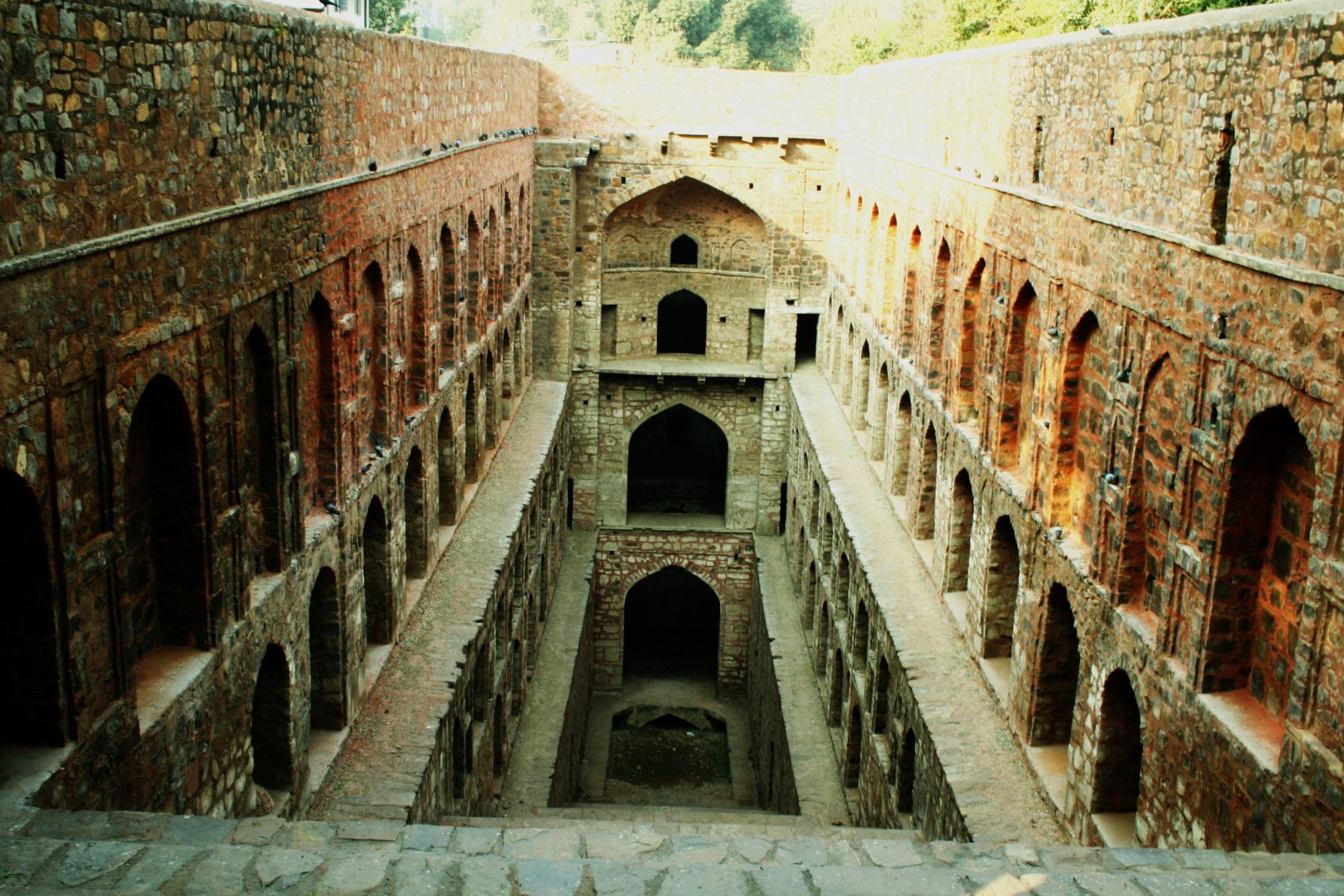
Beyond its architectural marvels, Agrasen Ki Baoli is woven into the fabric of local culture and traditions. The stepwell is a silent witness to the ebb and flow of Delhi's history, from the grandeur of ancient dynasties to the colonial era's influence. Today, it serves as a backdrop for cultural events, photography, and the occasional film shoot, including scenes from Bollywood movies like "PK". Its haunting ambiance has inspired tales of spirits and specters, making it a popular spot for those intrigued by the supernatural. The baoli is said to be haunted, with legends suggesting it once held black water that lured people to their doom.
Exploring Delhi also means indulging in its vibrant gastronomy. While Agrasen Ki Baoli itself doesn’t offer food, the nearby Connaught Place is a culinary hub. Here, you can savor traditional Delhi delicacies such as parathas, stuffed flatbreads often enjoyed with pickles and yogurt, and chaat, a spicy and tangy street food that tantalizes the taste buds. Don't miss out on the iconic butter chicken and dal makhani, both integral to North Indian cuisine, reflecting the diverse culinary heritage of the region.
Among the lesser-known curiosities of Agrasen Ki Baoli is its role as a filming location for several Bollywood films, which has added to its fame and allure. The stepwell is also a favored spot for photographers and artists, drawn by the play of light and shadow and its haunting serenity. Despite being in the heart of a metropolis, it offers a surprisingly peaceful retreat, often visited by the city’s intellectuals and creatives seeking inspiration.
For those planning a visit, the best time to explore Agrasen Ki Baoli is during the cooler months from October to March, when Delhi's weather is pleasant. Entry is free, but it's advisable to go early in the morning or late afternoon to avoid the crowds and experience its tranquility. While visiting, take the time to notice the intricate stone carvings and the worn steps that speak of countless footsteps over centuries. With limited signage, a little research or a guided tour can enrich your understanding of this historical marvel.
In the midst of modern-day Delhi, Agrasen Ki Baoli stands as a silent sentinel of time, offering a unique blend of history, architecture, and folklore. Whether you're a history buff, an architecture enthusiast, or simply a curious traveler, this ancient stepwell promises an unforgettable journey into the past, where every stone tells a story and every shadow holds a secret.


