
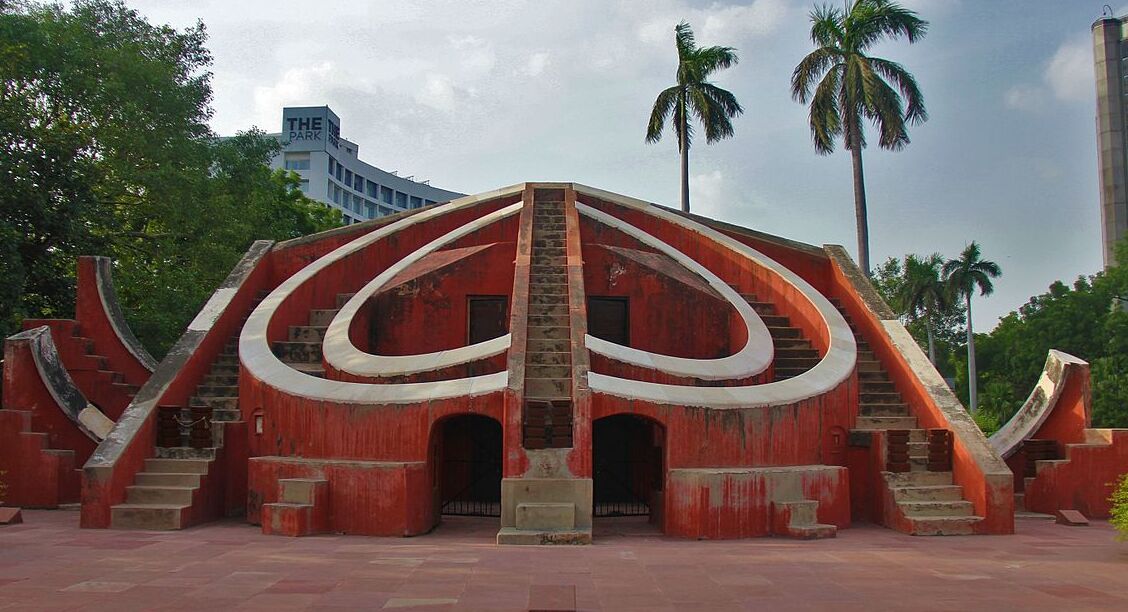

Nestled in the heart of New Delhi, Jantar Mantar is a fascinating blend of science, history, and architecture. Built in 1724 by Maharaja Sawai Jai Singh II, this remarkable observatory is one of five constructed across India, showcasing the Maharaja's devotion to astronomy and his quest for accurate scientific instruments. The term 'Jantar Mantar' translates to 'instrumentation for measuring the harmony of time,' a fitting name for a site dedicated to the celestial movements that shape our understanding of the universe.
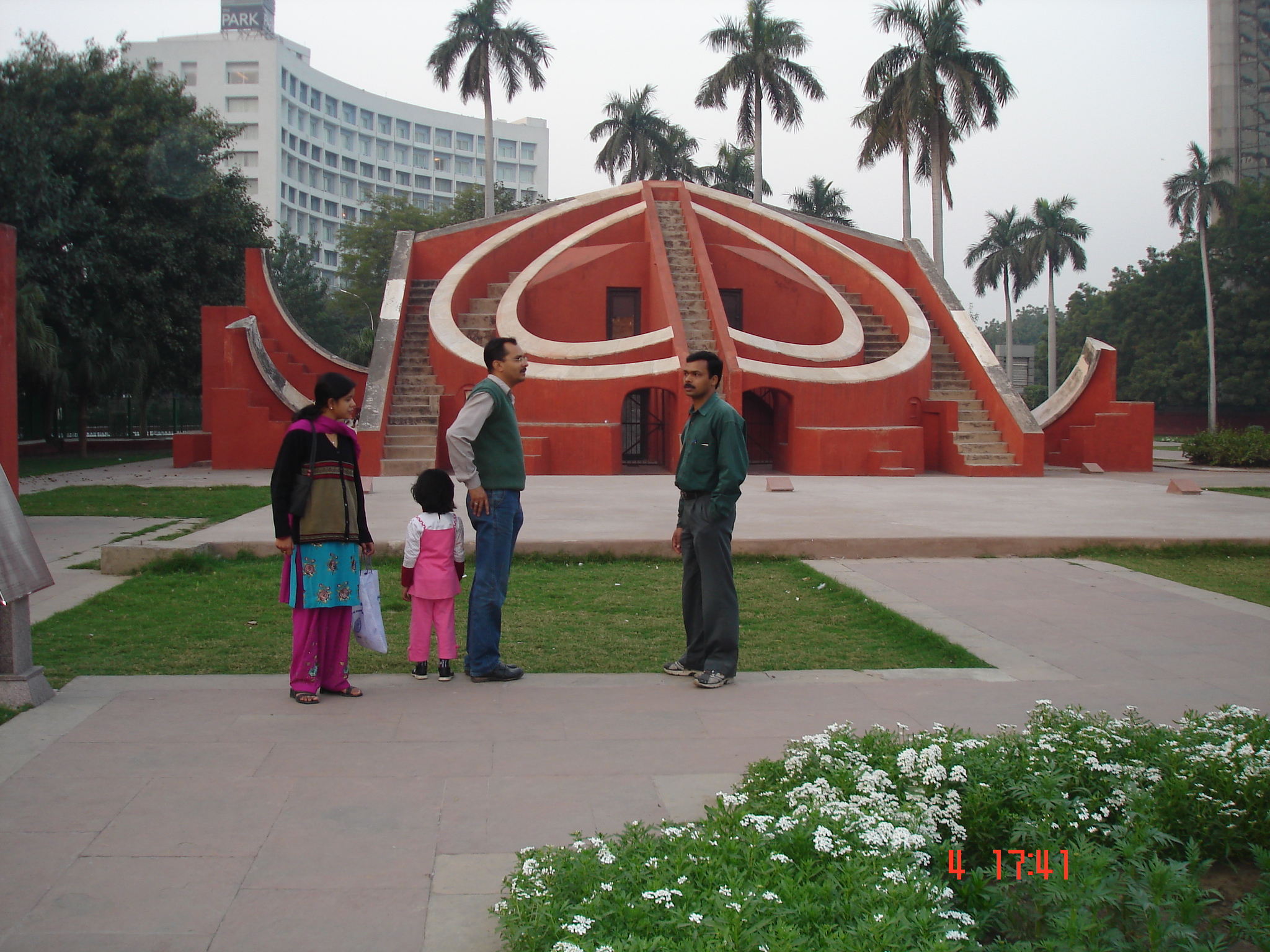
History and Origins The history of Jantar Mantar is deeply intertwined with the Mughal era and reflects the burgeoning interest in science during this period. Upon becoming disillusioned with the inaccuracies of existing astronomical tools, Sawai Jai Singh II, an enlightened ruler and avid astronomer, commissioned the construction of Jantar Mantar in Delhi after the successful establishment of similar observatories in Jaipur, Ujjain, Varanasi, and Mathura. The observatory was completed in 1724 and functioned actively for seven years, gathering astronomical data that was meticulously charted and presented to the Mughal emperor then reigning.
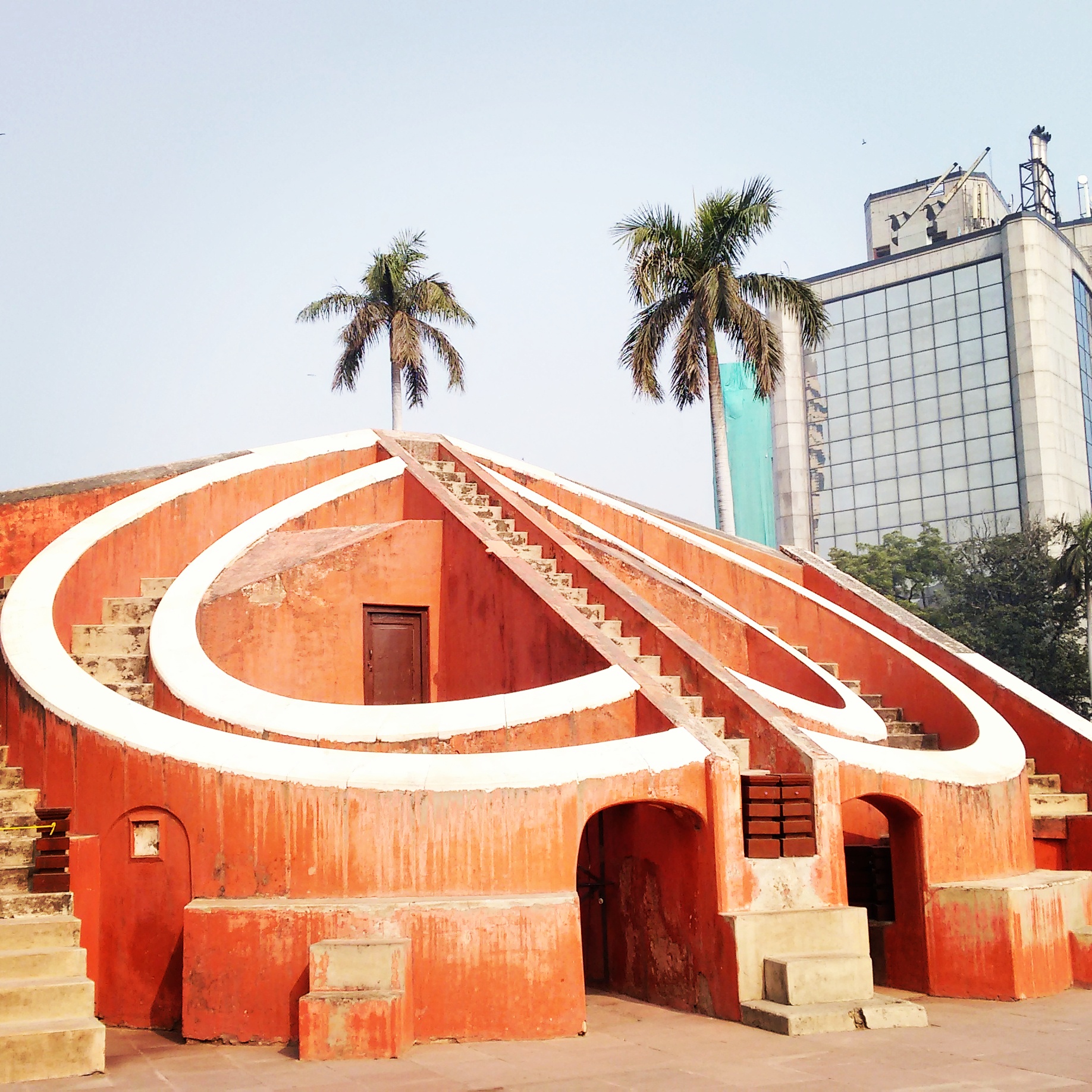
Art and Architecture The architecture of Jantar Mantar is a stunning representation of Indian astronomical design. The complex houses 13 architectural astronomical instruments, each serving a unique purpose. Among the most notable is the Samrat Yantra, the world’s largest sundial, which stands at an impressive 27 meters tall. Its shadow can accurately tell the time to within two seconds. The Jaya Prakash Yantra is another fascinating structure, designed to measure celestial positions. These instruments, made of stone and plaster, are not only functional but also showcase intricate carvings that reflect the aesthetics of the time.
Local Culture and Traditions The area surrounding Jantar Mantar is vibrant with local culture. Visitors often encounter street vendors selling traditional snacks like samosas and chole bhature, while the nearby Connaught Place buzzes with shops and cafes. Festivals in Delhi, such as Diwali and Holi, bring the area to life with colorful decorations and cultural performances. The observatory itself is a reminder of the rich scientific heritage of India, celebrated through local narratives and educational tours that highlight its importance in the country's history.
Gastronomy While exploring Jantar Mantar, indulging in local cuisine adds another layer to the experience. Paranthe Wali Gali, located nearby in Chandni Chowk, offers a variety of stuffed parathas, deep-fried to perfection and served with pickles and curd. For dessert, the sweet treat of jalebi, crispy spirals soaked in sugar syrup, is a must-try. Street food stalls around the observatory provide an authentic taste of Delhi’s culinary diversity, perfect for both adventurous eaters and those seeking classic flavors.
Lesser-Known Curiosities Despite its historical significance, many visitors overlook the subtle intricacies of Jantar Mantar. For instance, the observatory houses a Niyati Yantra, which helps in tracking the sun's position, yet is often overshadowed by the grandeur of the Samrat Yantra. Additionally, the fact that the instruments were once used to make predictions about eclipses and planetary alignments adds to their mystique. There are also fascinating stories about how the Maharaja himself would often engage in celestial observations, reflecting his deep connection with the stars.
Practical Visitor Information The best time to visit Jantar Mantar is between October and March, when Delhi's weather is pleasant and inviting. It’s advisable to arrive early in the morning to avoid crowds and to fully appreciate the serene atmosphere. Don’t forget to bring your camera; the contrast of the ancient structures against the modern skyline of Delhi makes for stunning photographs. Look out for the informative plaques near each instrument, providing insight into their use and significance. Guided tours are also available, offering a deeper understanding of the observatory's historical context.
In conclusion, Jantar Mantar is not just an observatory but a testament to India’s rich scientific heritage and architectural prowess. As you stroll through its grounds, you can almost hear the whispers of history echoing through the centuries. For an unforgettable visit, consider using the Secret World app to plan a personalized itinerary that showcases the best of New Delhi.


