
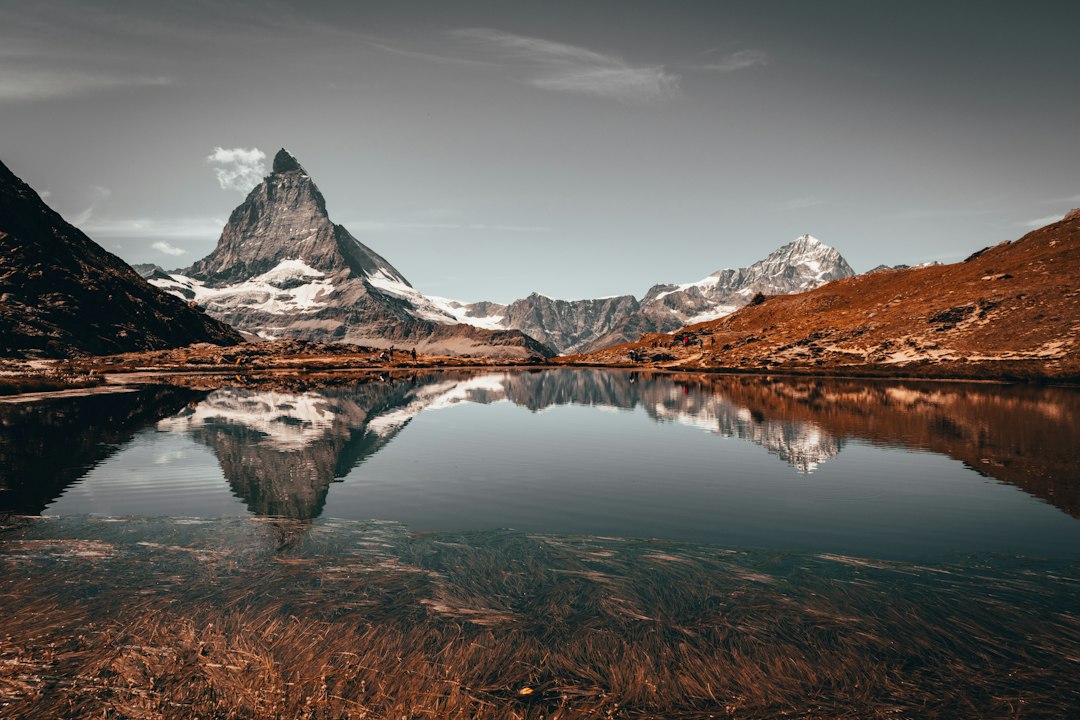

At a 2757 meters above sea level, the surface of the Riffelsee lies still like a mirror of obsidian. On clear summer nights, the unmistakable profile of the Matterhorn reflects in the water with an almost unreal precision, doubling the most photographed mountain in the Alps in an image that seems to come from a dream. This small alpine lake, nestled in the Zermatt area in the canton of Valais, has become in recent years one of the landmarks for astrophotography enthusiasts in Europe.
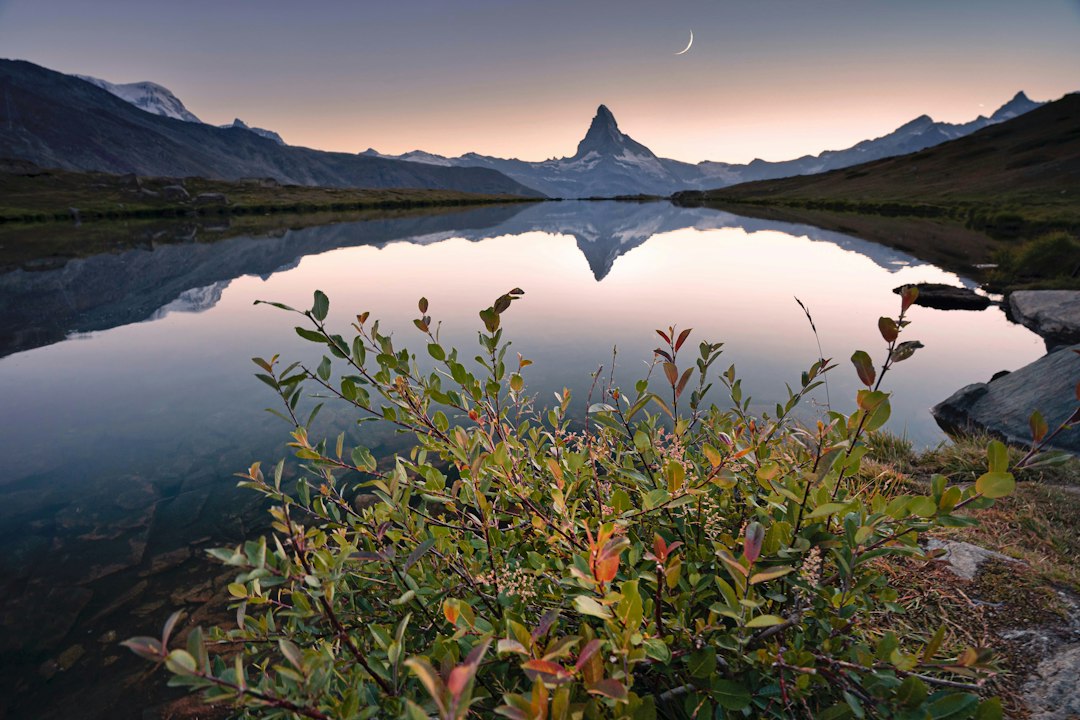
The reason is as simple as it is powerful: at this altitude, far from populated areas and immersed in the silence of the Monte Rosa massif, light pollution is drastically reduced. The sky above the Riffelsee offers exceptional visibility conditions for observing the Milky Way, planets, and shooting stars, with the Matterhorn — standing 4478 meters tall — serving as a silent sentinel on the horizon. It is a rare combination: a natural open-air observatory that unites alpine geology with astronomical wonder.
How to reach Riffelsee from Zermatt
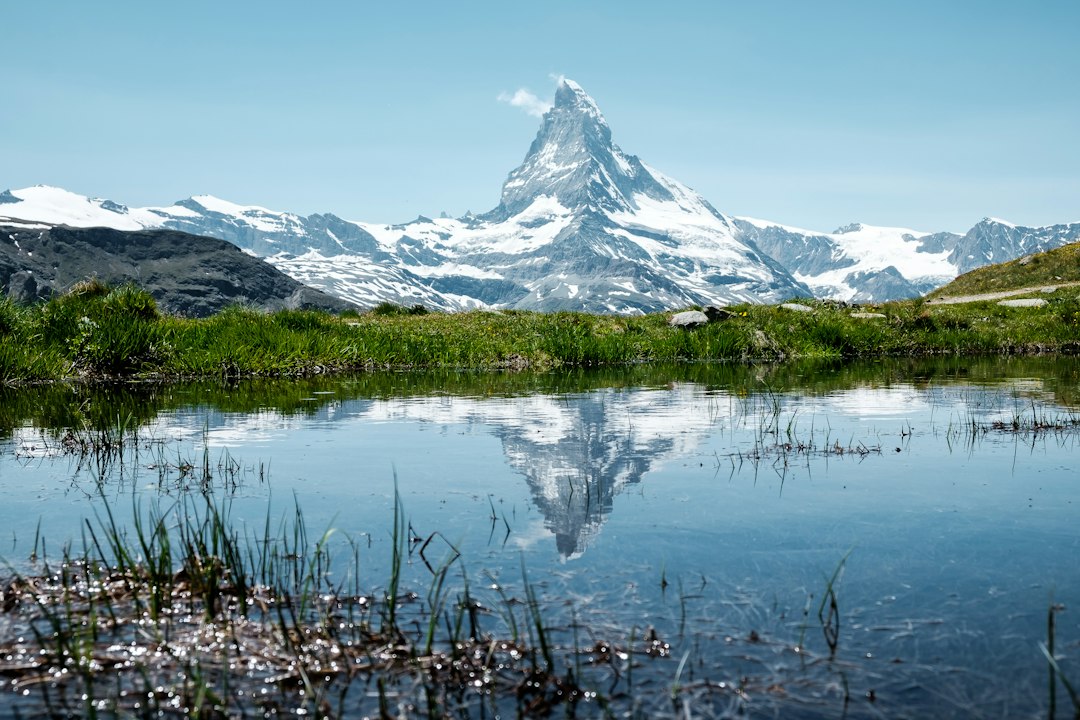
The lake can be easily reached thanks to the Gornergrat railway, one of the highest cogwheel railways in Europe, inaugurated in 1898 and still perfectly operational. From the Zermatt station, you ascend to the stop at Riffelberg, at about 2582 meters, and from there a well-marked path leads to Riffelsee in less than thirty minutes on foot. The route is accessible even to those who are not experienced hikers, with a manageable elevation gain and views that gradually open up on the Matterhorn massif.
Alternatively, it is possible to walk down from the Rotenboden station, the next stop up, in about fifteen minutes. This second option is preferred by photographers because it allows you to reach the lake from the north, with the Matterhorn perfectly centered in the reflection. The ticket for the Gornergrat train varies in cost depending on the season and the chosen route: it is advisable to check the updated rates on the official railway website, as prices change frequently.
The lake as a natural observatory
What makes Riffelsee extraordinary from an astronomical point of view is the combination of altitude, free horizon, and absence of artificial light sources in the immediate vicinity. On new moon nights between June and September, the sky above the lake reaches levels of darkness that allow thousands of stars to be seen with the naked eye, with the Milky Way clearly visible as a bright band stretching across the sky from east to west.
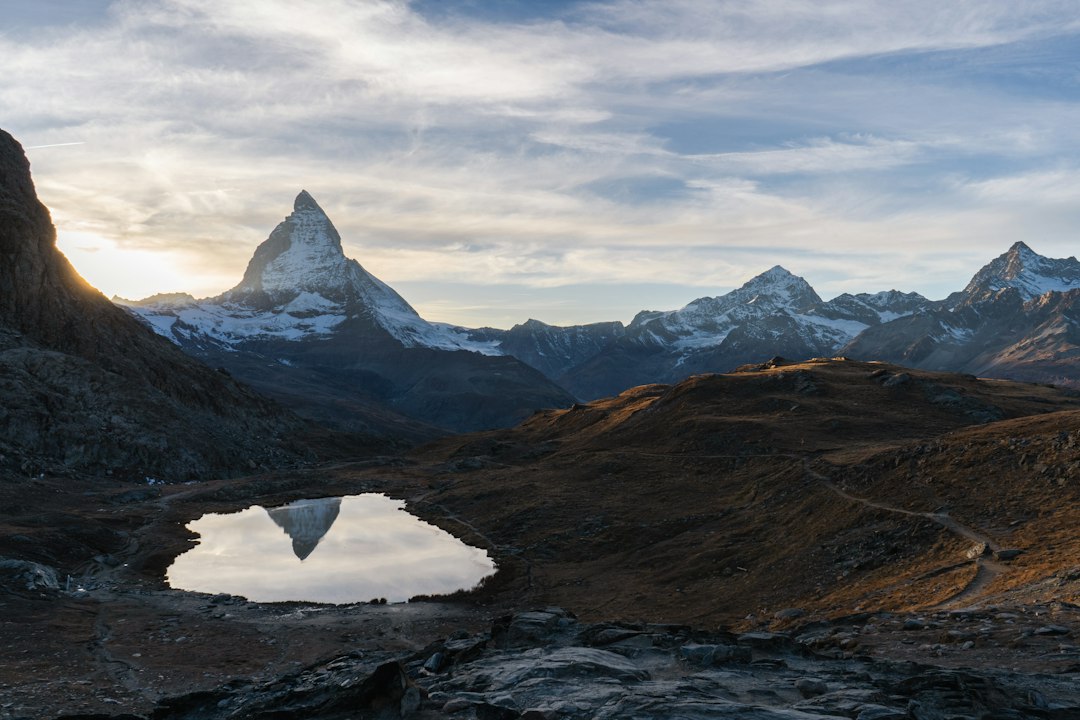
The most prepared photographers arrive hours before dawn or stay after sunset, bringing tripods, wide-angle lenses, and appropriate technical clothing. The temperature at this altitude drops quickly even in summer, and on July nights it can easily reach values close to zero. At the edge of the lake, when the wind is absent, the reflection of the Matterhorn and the stars on the water's surface creates photographic compositions that have gone viral on international social networks, contributing to the growing popularity of the site.
When to visit and what to expect
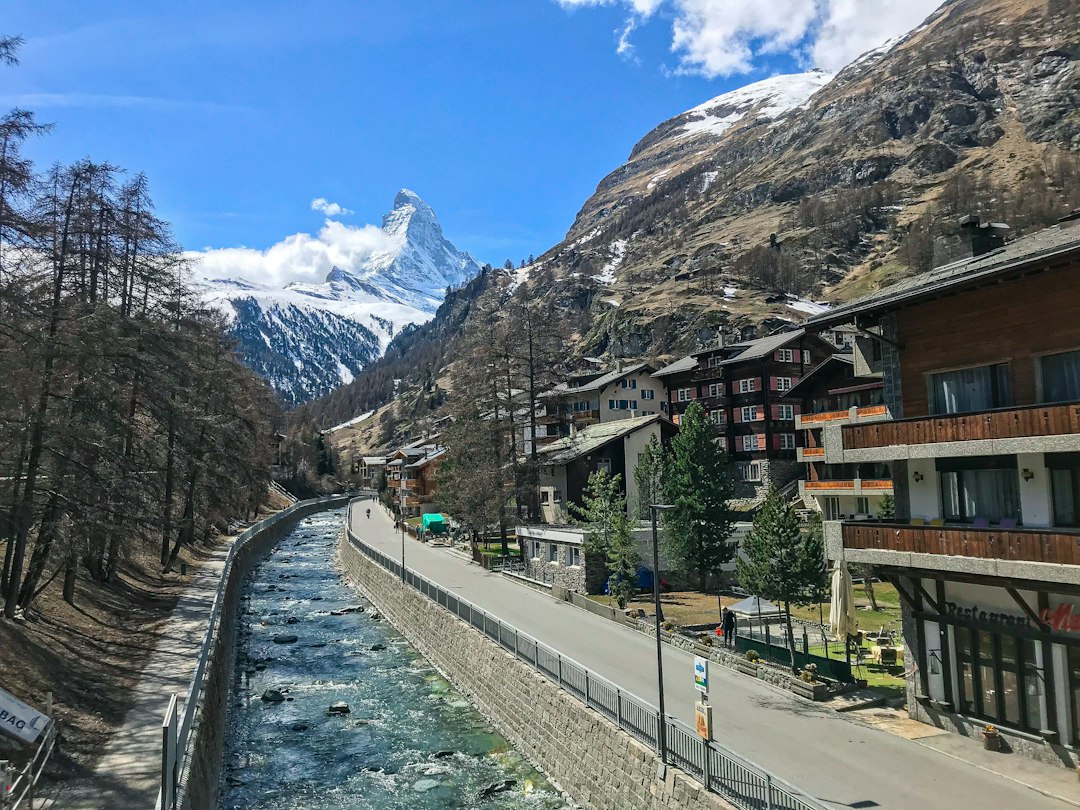
The best time for astrophotography at Riffelsee is from June to September, when the nights are short enough but the sky is statistically clearer. The new moon phases are the most sought after: with the moon absent, the contrast between the stars and the night sky is at its maximum. Dawn is the ideal time to photograph the reflection of the Matterhorn illuminated by the pink light of the first sun, the so-called alpenglow, which tints the rocky walls of the mountain orange and purple.
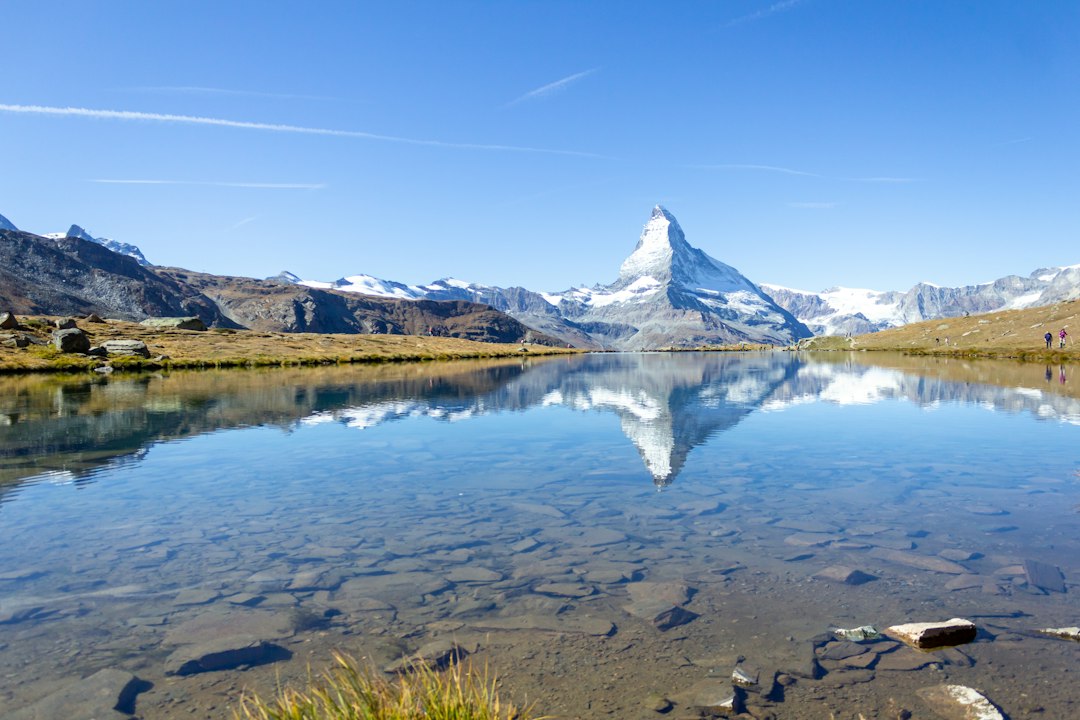
Those who visit during the day will still find a scene of great beauty: the waters of the lake, fed by the melting of the surrounding glaciers, take on shades that vary from emerald green to deep blue depending on the light. Around the lake, it is possible to observe the alpine flora typical of high altitudes, with eriophorum, rhododendrons, and lichens colonizing the granite rocks. It is important to respect the marked trails and avoid getting too close to the shores so as not to disturb the surface of the water during others' photography sessions.
Practical tips for the visit
Anyone planning a night visit should keep in mind that the last train to Gornergrat from the Riffelberg or Rotenboden station departs in the evening: it is essential to check the exact schedules before leaving, as being stranded at high altitude at night without proper equipment can be dangerous. Alternatively, some visitors choose to stay in the accommodations available in the Riffelberg area, so they can access the lake during the night without relying on transportation.
Always wear layered clothing, a headlamp with a red light mode to preserve night vision, and enough water. The Riffelsee does not have service facilities in the immediate vicinity: bars, shelters, and refreshment points are located in the Riffelberg area, a few minutes' walk away. Planning ahead is the key to fully experiencing one of the most enchanting astronomical experiences in the Swiss Alps.


