
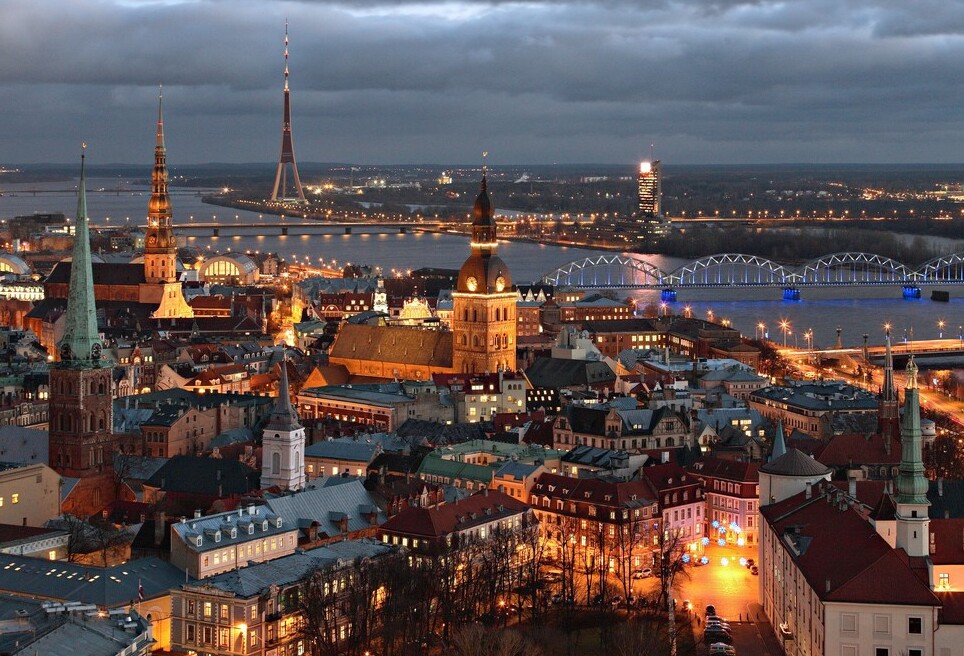

Riga Old Town (Vecrīga) stands as a mesmerizing testament to Latvia's rich tapestry of history and culture, a captivating enclave nestled along the east bank of the Daugava River. Here, cobblestone streets wind through a labyrinth of medieval architecture, each corner whispering tales from centuries past.

History and Origins The origins of Vecrīga trace back to 1201 when Bishop Albert of Buxhoeveden founded the city. It quickly became a pivotal trading hub within the Hanseatic League, a powerful alliance of merchant guilds and market towns in Northwestern Europe. The Old Town's strategic location made it a coveted prize, leading to influences from German, Swedish, and Russian rule throughout the ages. Notably, the Swedish Gate, the only remaining city gate from the 17th century, echoes the era of Swedish governance and stands as a poignant reminder of Riga's layered past.
Art and Architecture Vecrīga's architecture is a remarkable blend of Gothic spires, Baroque facades, and Art Nouveau flair, reflecting its diverse historical influences. The Riga Cathedral, with its imposing stature and intricate details, is a masterpiece of Gothic architecture, while St. Peter's Church, with its towering spire, offers panoramic views of the cityscape. Art enthusiasts will appreciate the Three Brothers, a trio of medieval residential buildings showcasing the evolution of Riga's architectural styles.

Local Culture and Traditions Riga Old Town is not just a relic of the past but a vibrant cultural hub. The annual Riga City Festival, held every August, celebrates the city's rich heritage with concerts, performances, and vibrant parades that fill the streets with life. The Summer Solstice, or Jāņi, is another cherished tradition, where locals jump over bonfires to celebrate the longest day of the year, a ritual steeped in ancient pagan roots.
Gastronomy No visit to Vecrīga is complete without indulging in its culinary delights. Traditional Latvian dishes such as grey peas with bacon and Riga Black Balsam, a potent herbal liqueur, offer a taste of the region's unique flavors. Many quaint cafes and restaurants line the streets, inviting visitors to savor local delicacies in a setting rich with history.
Lesser-known Curiosities Beyond the well-trodden paths, Vecrīga holds secrets waiting to be discovered. The Cat House on Meistaru iela, with its infamous feline sculptures adorning the roof, is steeped in local lore. According to legend, the disgruntled owner placed the cats with their tails facing the Great Guild as a sign of protest, offering a whimsical glimpse into the city's storied past.
Practical Visitor Information The best time to visit Vecrīga is during the warmer months from May to September, when the weather is pleasant and the streets come alive with outdoor festivals. Visitors should wear comfortable shoes to navigate the cobblestone streets and explore the hidden alleys. Don't miss the Riga Central Market, a short walk from the Old Town, to experience local life and taste fresh produce.
To unlock the full magic of Riga and tailor your journey to your interests, try the Secret World app for a personalized AI itinerary.


