
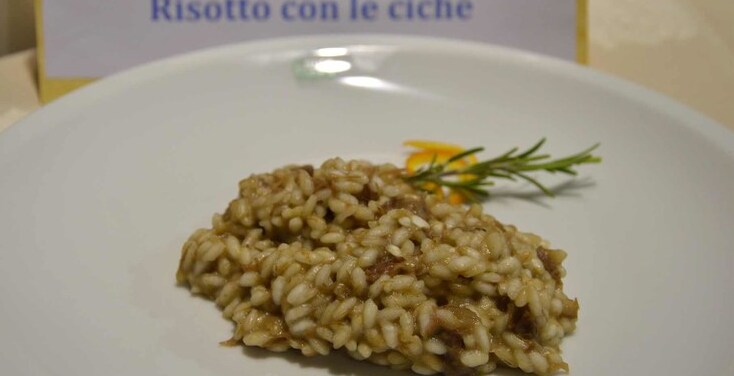

Nestled in the heart of the Veronese plain, the charming village of Buttapietra offers a unique culinary experience with its traditional dish, risotto with ciche. This delightful recipe not only reflects the region's rich agricultural heritage but also encapsulates the essence of local history and culture.
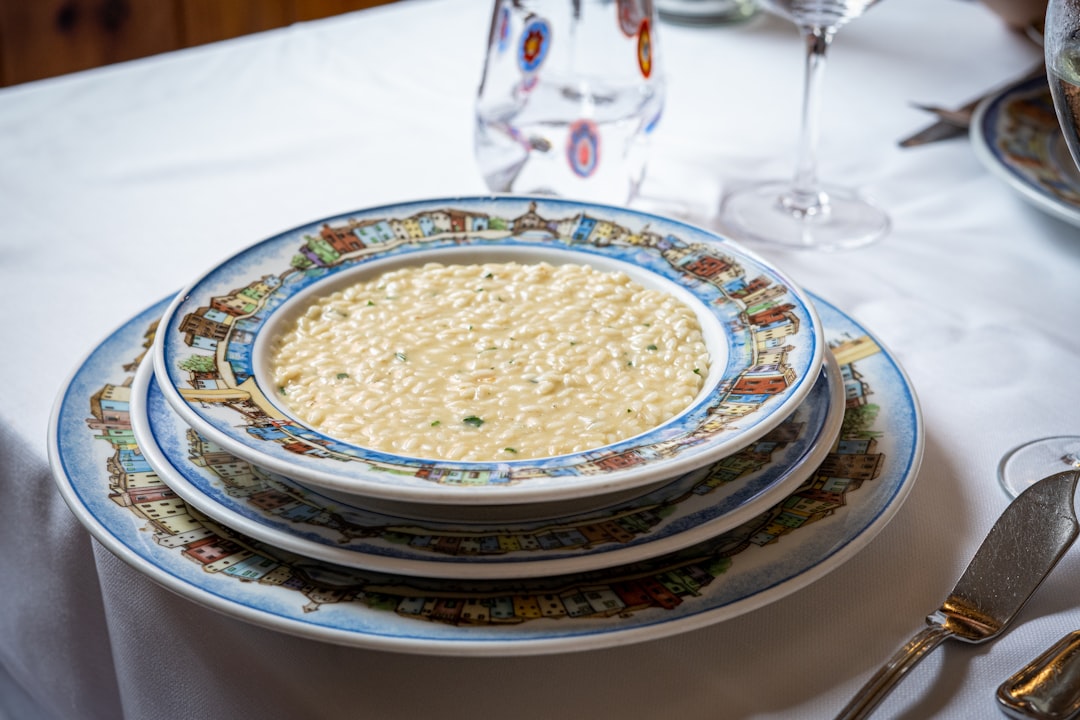
History and Origins
The origins of Buttapietra can be traced back to ancient Roman settlements, where agriculture flourished in the fertile lands around the Adige River. The name itself translates to "stone thrown," likely referring to the local topography that was both challenging and rewarding for early settlers. The area has witnessed significant historical events, notably during the Middle Ages when it came under the influence of the Della Scala family in the 13th century. Their reign brought prosperity to the region, fostering advancements in agriculture and trade.

As you wander through the village, remnants of this history come alive in the form of old stone buildings and rustic farmhouses. The Church of San Giovanni Battista, dating back to the 14th century, stands as a testament to the village's enduring faith and architectural heritage. This structure, with its simple yet elegant design, reflects the Gothic style prevalent during its construction, while the artworks inside provide a glimpse into the religious fervor of the time.
Art and Architecture
Buttapietra is not only rich in history but also in artistic expression. The village's architecture features Veronese stone, a local material that gives the buildings a distinctive charm. Notably, the Villa Buri, a historic villa located just outside the village, showcases stunning frescoes and gardens that highlight the artistic endeavors of the Renaissance period.
Visitors should also explore the local artisan workshops, where craftsmen create beautiful pottery and textiles that embody traditional techniques passed down through generations. The artistry in these handcrafted items reflects the soul of Buttapietra, making them cherished souvenirs for those who visit.
Local Culture and Traditions
The culture of Buttapietra is deeply intertwined with its agricultural roots. The village hosts several annual festivals that celebrate its heritage, most notably the Sagra delle Ciche, held in late summer. During this vibrant event, locals and visitors alike gather to enjoy traditional music, dance, and, of course, the star dish—risotto with ciche. The festival not only showcases culinary delights but also fosters a sense of community, drawing people from surrounding areas to partake in the festivities.
Another unique tradition is the Festa di San Giovanni, celebrated in late June. This festival honors the village's patron saint with processions, fireworks, and a feast that brings together families and friends. Participating in these celebrations offers a glimpse into the heart of Buttapietra's spirit, where food, faith, and fellowship intertwine.
Gastronomy
The gastronomic scene in Buttapietra is anchored by its connection to the land. The risotto with ciche, a dish made with local cicoria (chicory) and rice, is emblematic of the region's agricultural bounty. The preparation of this dish is a labor of love, often involving families gathering to cook together, sharing stories and laughter as they prepare.
In addition to risotto, the village is known for its local wines, particularly Valpolicella and Soave, which complement the rich flavors of the cuisine. Pairing these wines with traditional dishes like pastissada (a slow-cooked beef stew) creates a culinary experience that embodies the essence of Buttapietra.
Lesser-Known Curiosities
One surprising fact about Buttapietra is its connection to the ancient Via Claudia Augusta, a Roman road that once facilitated trade and travel across northern Italy. This historical route allowed for the exchange of goods and ideas, shaping the local culture. Today, remnants of this road can still be found, inviting the curious traveler to explore its winding paths.
Moreover, many visitors miss the charming Civic Museum, which houses artifacts and exhibits that narrate the village's history. From ancient tools to contemporary art, the museum paints a vivid picture of Buttapietra's evolution through the ages.
Practical Visitor Information
The best time to visit Buttapietra is during the late spring and early fall when the weather is mild, and the countryside is in full bloom. The Sagra delle Ciche offers a particularly vibrant atmosphere, making it an ideal time to experience local culture.
When exploring the village, take the time to interact with locals, many of whom are eager to share their stories and culinary secrets. Don’t forget to visit the surrounding countryside, where picturesque vineyards and olive groves await discovery.
For a truly personalized experience, consider using the Secret World app to plan your itinerary for an unforgettable visit to Buttapietra.


