
← Back

The gnocchi of the Verona Carnival

Piazza San Zeno, 2, 37123 Verona VR, Italia ★★★★☆ 280 views
Marika Leone
Verona
🏆 AI Trip Planner 2026

Get the free app

Discover the best of Verona with Secret World — the AI trip planner with 1M+ destinations. Get personalized itineraries, hidden gems and local tips. Free on iOS & Android.

🧠 AI Itineraries 🎒 Trip Toolkit 🎮 KnowWhere Game 🎧 Audio Guides 📹 Videos
Download on the App Store Get it on Google Play
Scan to download Scan to download

Typical Dishes · Verona

The gnocchi of the Verona Carnival - Verona | Secret World Trip Planner

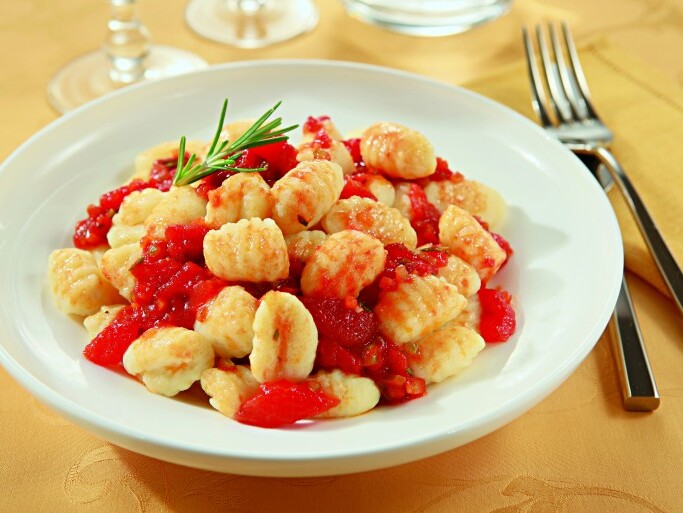
Gnocchi is a typical Italian dish made of small ravioli of potato dough. Each region has its own variation, but the most typical ingredients are cheese, spinach, eggs and a variety of sauces. The best place to eat gnocchi in Italy in our opinion is Verona, where every year there is also a day dedicated to this classic dish.Verona Carnival gnocchi have an ancient history. It is said that between 1520 and 1531, due to a flooding of the river Adige and the raids of the Lansquenets, Verona suffered a terrible famine. On 18 June 1531 the population, hungry and desperate, went to attack the ovens of San Zeno to stock up on wheat and bread. The situation was saved by the Podestà and some citizens who provided at their own expense to supply the poorest citizens of the district with food. The tradition of distributing gnocchi on the last Friday of Carnival sees in Tommaso Da Vico the founder of the Bacanale del Gnocco, having distributed at his own expense among the population basic necessities such as bread, wine and cheese and above all gnocchi, not made of potatoes but of flour and water in the manner of canederli. From then on in Verona during the period of Canevale the traditional gnocchi with pastissada are eaten, which were once served on the gnocco stone, still clearly visible in front of the churchyard of the Basilica of San Zeno, on the last Friday of Carnival.

🗺 AI Trip Planner

Plan your visit to Verona

Suggested itinerary near The gnocchi of the Verona Carnival

MAJ+
500.000+ travelers worldwide
  1. 🌅
    Morning
    The gnocchi of the Verona Carnival
    📍 Verona
  2. ☀️
    Afternoon
    Verona | Castelvecchio and the Civic Museum
    📍 0.8 km · Verona
  3. 🌆
    Evening
    Top 5 Travel Apps in Verona 2026: Discover Secret World
    📍 1.1 km · Verona

Buy Unique Travel Experiences

Powered by Viator

See more on Viator.com

Explore nearby · Verona

Frequently Asked Questions

The best time to experience Verona's traditional gnocchi is during Carnival season, specifically on the last Friday of Carnival when the Bacanale del Gnocco takes place. This is when locals and visitors gather to celebrate the centuries-old tradition of distributing gnocchi to the community, just as it has been done since the 16th century.
Gnocchi holds deep historical significance in Verona, originating from a 1531 famine when the city was devastated by river flooding and raids. Tommaso Da Vico became a hero by distributing gnocchi, bread, wine, and cheese to hungry citizens at his own expense, establishing a tradition that has been celebrated during Carnival ever since.
Verona's traditional Carnival gnocchi are made from flour and water in the style of canederli, rather than the potato-based gnocchi found in other regions of Italy. These are typically served with pastissada, a traditional Veronese sauce, making them unique to this region's culinary heritage.
The historic gnoccho stone, where gnocchi was traditionally served during Carnival, is still visible today in front of the churchyard of the Basilica of San Zeno in Verona. This remarkable artifact stands as a testament to the centuries-old tradition and serves as a must-see landmark for visitors interested in the city's cultural history.
When visiting Verona during Carnival, you should definitely try the traditional gnocchi with pastissada sauce, which is the classic regional dish served during this festive period. The Bacanale del Gnocco celebration on the last Friday of Carnival offers the authentic experience of this beloved tradition, complete with gnocchi, bread, wine, and cheese distributed in the spirit of historical generosity.
