
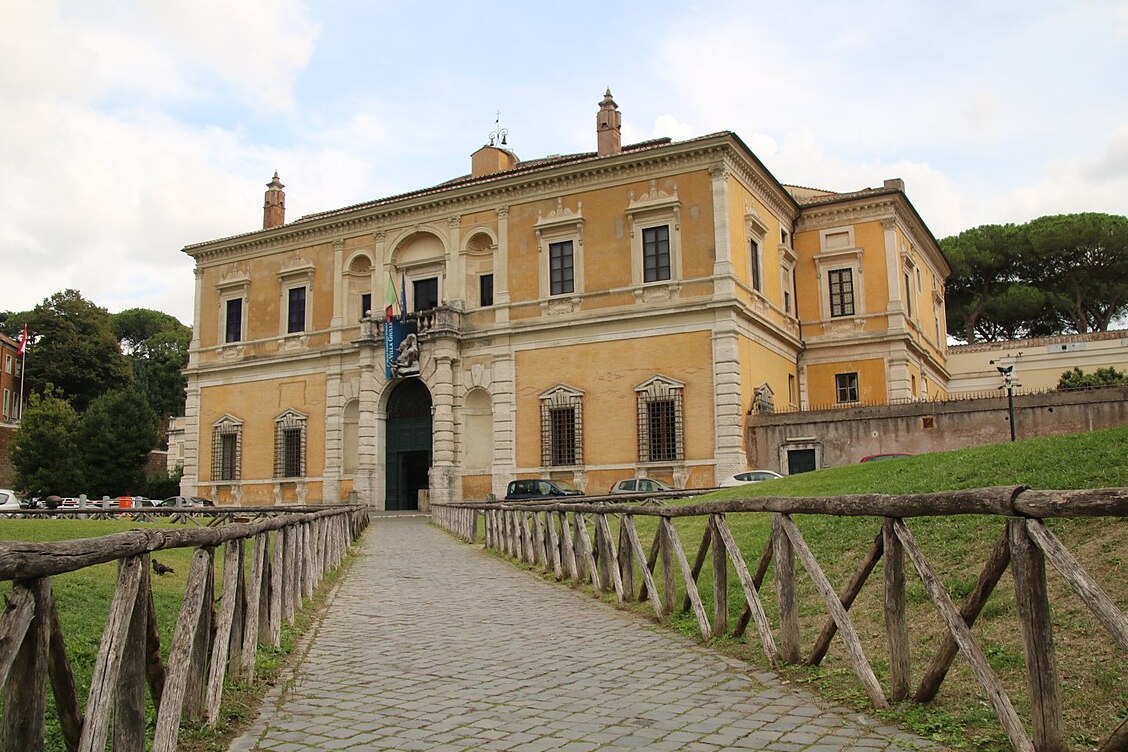

Nestled in the heart of Rome, Villa Giulia stands as a testament to the rich legacy of the Etruscan civilization. This exquisite museum not only showcases remarkable Etruscan artifacts but also offers a glimpse into the intricate tapestry of cultural exchange that characterized ancient Italy. Here, between the 8th and 5th centuries BC, the Etruscans and Greeks mingled, producing art and traditions that would influence generations to come.

### History and Origins The Villa Giulia was commissioned in the mid-16th century by Pope Julius III as a summer residence, but its significance extends far beyond its architectural beauty. The villa itself was designed by the renowned architect Giorgio Vasari and features a striking façade that reflects the Renaissance style, with elegant loggias and a serene garden. However, it was not until the 19th century that the villa was transformed into a museum dedicated to the Etruscan civilization.
The Etruscans, a pre-Roman civilization that thrived in central Italy, were known for their advanced society and rich artistic expressions. The museum houses artifacts that date back to the 8th century BC, illuminating the lives of these fascinating people. Key historical events, such as the unification of the Italian peninsula and the rise of Rome, profoundly affected Etruscan culture, which ultimately influenced Roman art and architecture.

### Art and Architecture The architectural style of Villa Giulia is a harmonious blend of Renaissance elegance and classical inspirations, punctuated by the museum's beautiful gardens. Within, visitors are greeted by an array of Etruscan artifacts, including the famed Etruscan Sarcophagus of the Spouses, which depicts a reclining couple sharing a meal, symbolizing the importance of the afterlife in Etruscan culture. This artwork is not only a remarkable example of Etruscan craftsmanship but also highlights their belief in the continuity of life beyond death.
Among the museum's treasures, visitors can also find Greek pottery and sculptures that reveal the interaction between Etruscans and their Greek counterparts. The collection is a stunning testament to the artistic achievements of both cultures, showcasing how they influenced each other during a pivotal period in history.
### Local Culture and Traditions The area surrounding Villa Giulia is steeped in local customs and traditions. Rome's vibrant culture is celebrated through various festivals, especially during the summer months. One notable event is the Festa di Noantri, celebrated in July in the nearby Trastevere district, which honors the local patron saint and features colorful processions, music, and traditional foods.
Moreover, the legacy of the Etruscans can still be felt in modern Roman culture, where elements of their artistic style and societal structures continue to resonate. Visitors often find themselves immersed in the rich tapestry of Roman life, where ancient traditions blend seamlessly with contemporary customs.
### Gastronomy No visit to Villa Giulia and its surrounding neighborhoods would be complete without indulging in the local gastronomy. Roman cuisine is characterized by its simplicity and quality ingredients. Traditional dishes such as Cacio e Pepe, made with pasta, cheese, and pepper, are a must-try. For those seeking a taste of Etruscan influence, try Porchetta, a succulent roast pork seasoned with herbs and spices, often enjoyed during local festivals.
Pair your meal with a glass of Frascati, a white wine from the nearby hills, to truly savor the flavors of the region. The culinary experiences in Rome not only delight the palate but also connect visitors to the city’s rich historical roots.
### Lesser-known Curiosities While the main exhibits at Villa Giulia are awe-inspiring, there are hidden details that many tourists miss. For instance, the museum features a stunning Etruscan bronze mirror, intricately designed with mythical scenes, which provides insights into Etruscan beliefs and aesthetics. Additionally, the museum's gardens are home to a variety of ancient trees, some of which are believed to have been planted during the villa's initial construction, offering a living link to the past.
Another curious fact is that the Villa Giulia is one of the few places in Rome where you can find a significant collection of Etruscan artifacts outside of Tarquinia and Cerveteri, two ancient Etruscan cities. This makes it a unique destination for those interested in delving deeper into the mysteries of the Etruscan civilization.
### Practical Visitor Information The best time to visit Villa Giulia is during the spring and fall when the weather is mild, making the gardens particularly enjoyable. The museum is open year-round, but it’s advisable to check the official website for any temporary exhibitions or special events.
When visiting, take your time to explore not just the main exhibits but also the beautifully landscaped gardens. Look out for guided tours that can provide deeper insights into the Etruscan artifacts and the villa’s history.
For a more personalized experience, consider using the Secret World app to plan your itinerary and discover hidden gems around Roma.


