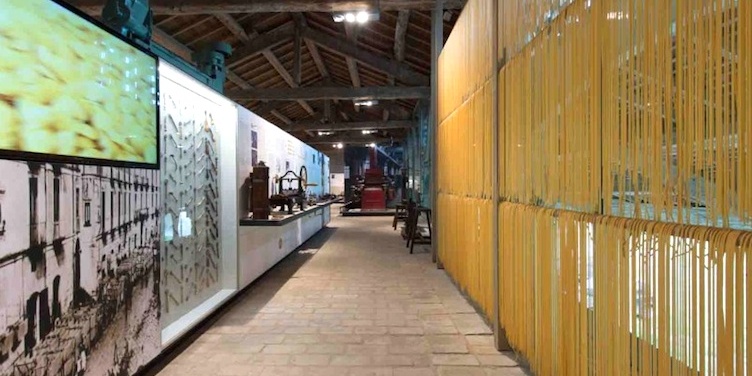

Nestled in the heart of Roma, the National Museum of Pasta Foods offers a unique exploration of the beloved Italian staple—pasta. With coordinates at 41.918608, 12.4728327, this museum is not just a feast for the senses but also a deep dive into the rich history and culture surrounding one of the world’s most celebrated foods.
### History and Origins The origins of pasta can be traced back to ancient civilizations, with roots in both Eastern and Western culinary traditions. While its exact beginnings remain a topic of debate, many historians believe that the Etruscans or Greeks may have been among the first to introduce pasta-making techniques to the Italian peninsula. The museum celebrates this ancient legacy by showcasing artifacts and documents that highlight the evolution of pasta from a simple grain and water mixture to the intricate varieties we savor today.
In 2013, the National Museum of Pasta Foods was established to honor this culinary heritage. Situated in the Testaccio district, a neighborhood known for its rich gastronomic history, the museum has become a center for education and appreciation of pasta. Key historical events, such as the introduction of pasta to the Italian nobility and its eventual rise as a staple food for the masses, are explored through exhibits that blend storytelling with visual art.
### Art and Architecture The museum itself is a gem of modern Italian architecture, designed to complement the historical significance of its exhibits. The exterior is sleek and contemporary, drawing visitors in with its inviting facade. Inside, the layout is thoughtfully organized, allowing guests to navigate through the various stages of pasta history seamlessly. Each section is adorned with notable artworks, including vibrant photographs and sculptures that celebrate pasta in its many forms.
Artistic significance is not only found in the visual displays but also in the way the museum interacts with local artists. Temporary exhibitions showcasing pasta-themed art installations are a common feature, making each visit a potentially unique experience.
### Local Culture and Traditions In Roma, pasta is not just food; it is a cultural symbol. The city celebrates its culinary heritage through festivals such as La Festa della Pasta, where local chefs and home cooks alike come together to showcase their favorite pasta dishes. This event, held annually in the spring, draws both locals and tourists, creating a vibrant atmosphere filled with the aromas of fresh pasta cooking.
Moreover, traditional customs surrounding pasta-making are still alive in Roman households. Many families have their own secret recipes passed down through generations, emphasizing the importance of community and tradition in Italian culture. At the museum, visitors can learn about these customs and even participate in workshops that teach the art of handmade pasta.
### Gastronomy The gastronomic offerings in Roma are as diverse as its history. The museum highlights various pasta dishes that are emblematic of Roman cuisine, such as Cacio e Pepe, Carbonara, and Amatriciana. Each dish has its own story, deeply rooted in the local culture and ingredients that define Roman cooking.
Visitors can also enjoy tastings within the museum, where they can sample different types of pasta paired with regional sauces. Additionally, the museum often collaborates with local restaurants to suggest nearby dining options, ensuring that every visitor can experience the flavors of Rome in their entirety.
### Lesser-Known Curiosities One of the most surprising aspects of the National Museum of Pasta Foods is its collection of ancient pasta-making tools. These artifacts offer a glimpse into the craftsmanship required in pasta production before the advent of modern machinery. Additionally, the museum houses a fascinating display of pasta in art, showcasing how this simple food has inspired artists throughout the centuries, from Renaissance painters to contemporary sculptors.
Another curious fact is that the museum often features temporary exhibitions on the global impact of pasta, illustrating how this Italian staple has influenced cuisines worldwide, from Asian noodle dishes to American mac and cheese.
### Practical Visitor Information The best time to visit the National Museum of Pasta Foods is during weekdays, especially in the morning, to avoid the larger crowds that gather on weekends. Guided tours are available, providing deeper insights into the exhibits and the history of pasta. Make sure to take your time exploring the interactive displays, which are particularly engaging for younger visitors.
For those planning their trip, consider checking the museum's calendar for special events or pasta-making workshops, which can enhance your visit. The museum is easily accessible via public transport, located close to the Piramide metro station.
In conclusion, a visit to the National Museum of Pasta Foods is not just an exploration of a beloved dish; it is a celebration of Italian culture, history, and community. To experience all that Roma has to offer, consider using the Secret World app to plan a personalized AI itinerary that suits your interests perfectly.
