
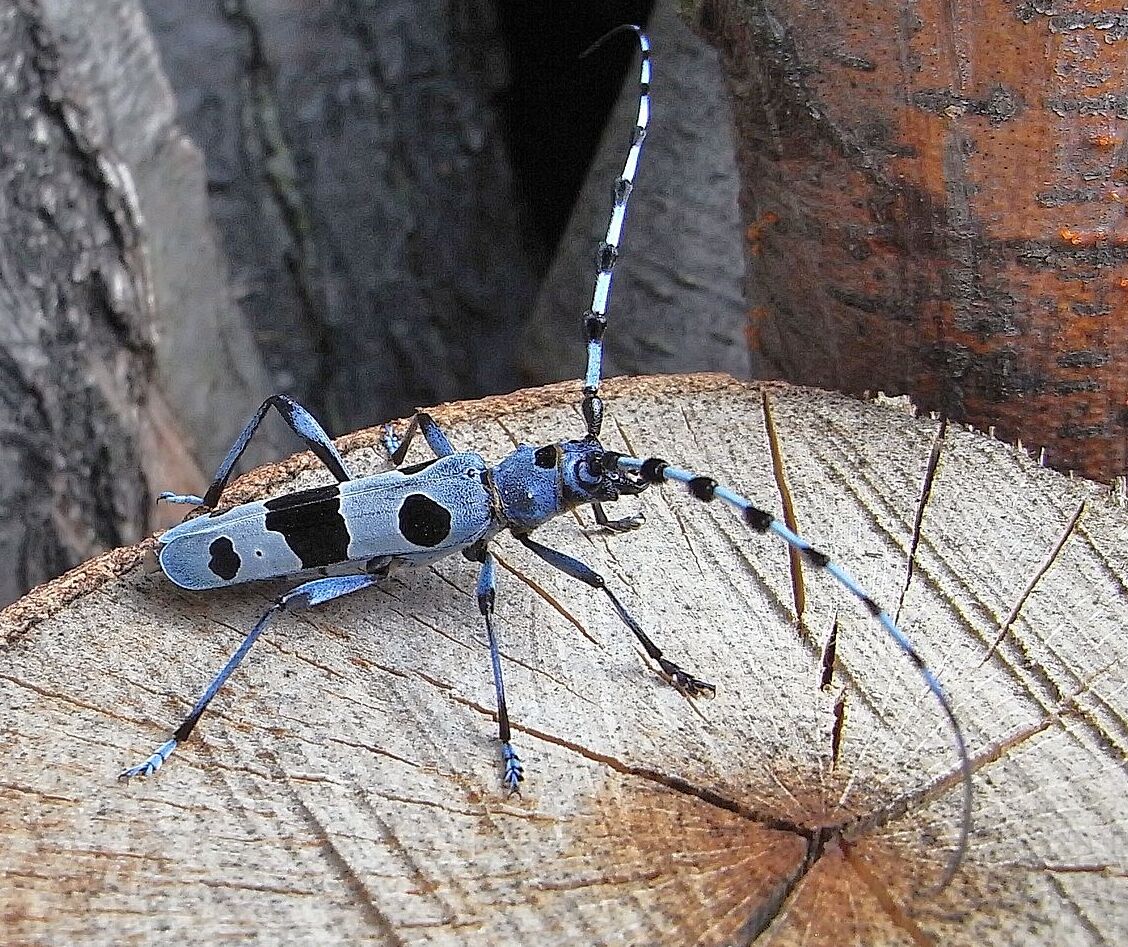

Nestled in the heart of Calabria, Pollino National Park is a sanctuary of biodiversity that captivates nature enthusiasts and adventurers alike. With its diverse ecosystems and stunning landscapes, this protected area is home to some of the rarest species in Europe, including the Buprestis splendens, a striking blue beetle that serves as a symbol of the region’s ecological richness.
History and Origins The history of the Pollino area is as rich and varied as its landscapes. The region, named after the Pollino Mountains, has been inhabited since ancient times, with evidence of settlements dating back to the Neolithic era. The Lucani, an ancient Italic tribe, were among the first to populate this mountainous terrain, and their influence can still be seen in the local culture. Over the centuries, the area has witnessed the rise and fall of various civilizations, including the Romans, who recognized the strategic importance of its highlands.
In the 1970s, efforts to conserve the unique biodiversity of Pollino culminated in the establishment of Pollino National Park in 1993, making it the largest national park in Italy. This designation helped protect not only the stunning landscapes but also its extraordinary wildlife, including the elusive blue beetle.
Art and Architecture While Pollino is primarily celebrated for its natural beauty, the region also boasts a fascinating array of art and architecture. The quaint villages that dot the landscape, such as Castrovillari and Morano Calabro, feature medieval architecture with narrow, winding streets and stone houses that reflect the area’s historical significance. The Romanesque churches, adorned with intricate frescoes, are a testament to the region's artistic heritage.
One of the most notable landmarks is the Castello di Morano, a medieval castle that offers panoramic views of the surrounding mountains and valleys. The castle's architecture tells stories of battles and sieges, providing a glimpse into the past.
Local Culture and Traditions The culture of Pollino is deeply intertwined with its natural surroundings. Local customs, such as the Festa della Madonna della Strada, celebrated in early September, bring together communities in a vibrant display of faith and tradition. The festival features processions, music, and traditional dances, showcasing the rich cultural tapestry of the region.
Additionally, the Calabrian dialect and folklore thrive in Pollino, with stories passed down through generations. The tradition of craftsmanship, particularly in pottery and weaving, remains strong, with local artisans creating beautiful handmade goods that reflect the area's heritage.
Gastronomy A visit to Pollino would be incomplete without indulging in its gastronomic delights. The region is known for its robust flavors, and local cuisine often features ingredients sourced directly from the mountains. One must-try dish is ’Nduja, a spicy spreadable salami that embodies the bold flavors of Calabrian cuisine. Pair it with caciocavallo, a semi-hard cheese, and you’ll experience a taste of the local terroir.
The area is also renowned for its chestnuts, which are celebrated during the Sagra del Castagno in autumn. This festival highlights the significance of chestnuts in local agriculture and features various culinary creations, including chestnut cakes and roasted chestnuts.
Lesser-known Curiosities The Pollino National Park is not just a haven for nature lovers but also holds some intriguing secrets. For instance, the Buprestis splendens, or the rare blue beetle, is often found in the park’s pristine beech forests, where it thrives in undisturbed habitats. This beetle is not only a beautiful sight but also serves as an indicator species, reflecting the ecological health of its environment.
Another lesser-known fact is the existence of ancient petroglyphs scattered throughout the area, remnants of prehistoric cultures that inhabited these mountains. These carvings, depicting animals and symbols, offer insight into the lives of early inhabitants and their connection to nature.
Practical Visitor Information The best time to visit Pollino is in the spring and early autumn when the weather is mild and the landscapes are vibrant. Hiking trails, such as the one leading to the Timpa di Pietrasasso, showcase breathtaking views and an array of flora and fauna, including the park’s rare insects.
Visitors should prepare for varied terrain and bring proper gear for hiking. Additionally, local guides offer tours that provide deeper insights into the park’s ecological significance and cultural heritage, ensuring a well-rounded experience.
In conclusion, the Pollino area is a treasure trove of natural beauty, rich history, and vibrant culture, inviting those who seek adventure and knowledge. To make the most of your visit, consider using the Secret World app to craft a personalized itinerary that explores the wonders of this remarkable region.


