



Sabudana Vada: A Deep-Fried Delight with Deep Roots in Mumbai

Mumbai, a city of dreams and dynamism, is as much about its bustling streets and iconic skyline as it is about the rich tapestry of flavors that define its culinary landscape. Among these flavors, Sabudana Vada stands out as a beloved snack that is as traditional as it is tantalizing.
### History and Origins Sabudana Vada, sometimes referred to simply as sago vada, traces its origins to Maharashtra, India’s third-largest and second-most populous state. The dish is deeply rooted in Maharashtrian cuisine, often associated with days of fasting, known as ‘upvas’. Traditionally, it was made during Hindu fasting periods when grains were avoided, and ingredients like sabudana (tapioca pearls) became a staple. The history of sabudana itself is fascinating—it was introduced to India during the colonial era, and its versatility quickly found a place in local kitchens.
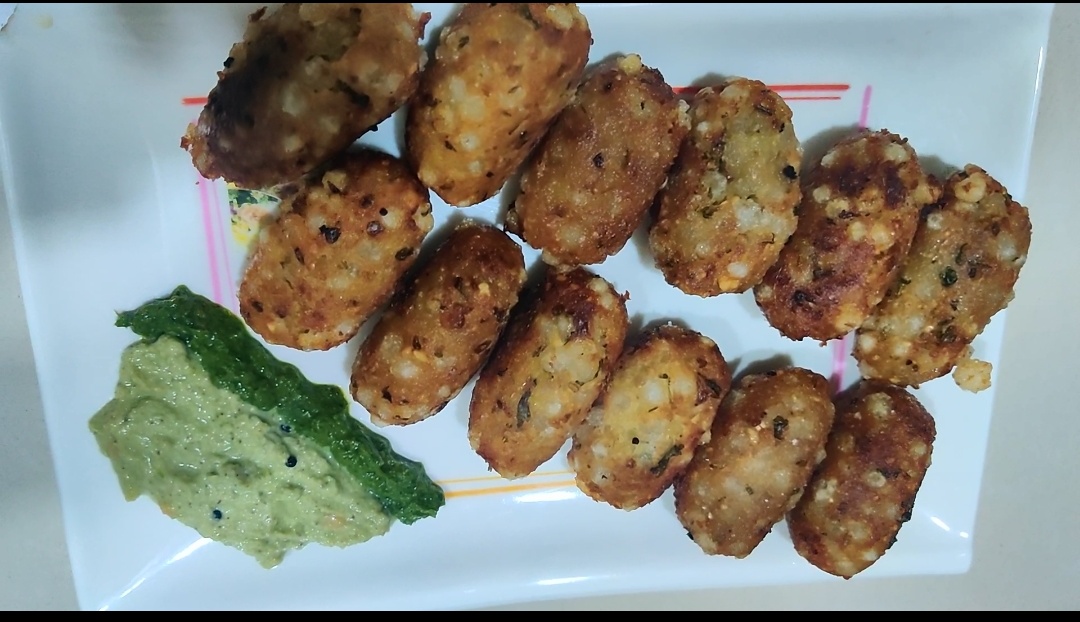
### Art and Architecture While sabudana vada may not be directly linked to art or architecture, its preparation is an art form in itself. The meticulous process of soaking, spicing, and frying tapioca pearls to the perfect degree of crispiness is a testament to the culinary artistry prevalent in Mumbai's street food culture. The vada’s golden-brown exterior, when juxtaposed against the vibrant green of mint chutney, is akin to a painter's careful brushstroke on a canvas.
### Local Culture and Traditions In Mumbai, food is a connector across cultures and communities. Sabudana Vada is more than just a snack; it is a cultural symbol. Its consumption during religious fasts signifies purity and devotion, while its availability in bustling street stalls makes it a democratic delicacy, enjoyed by all, regardless of background. Festivals like Maha Shivaratri and Navratri see a surge in the preparation and consumption of this dish, as families come together to celebrate and share meals.
### Gastronomy Mumbai’s gastronomy is a melange of influences and flavors, and Sabudana Vada is a cornerstone of this culinary repertoire. Typically served with a side of spicy green chutney or sweetened yogurt, its crispy texture complements the soft interior, creating a harmonious blend of flavors and sensations. This snack often appears alongside other Maharashtrian specialties like Puran Poli and Misal Pav, making it a must-try for any culinary enthusiast.
### Lesser-Known Curiosities One of the intriguing aspects of Sabudana Vada is its preparation method, which varies slightly depending on the region and family traditions. Some chefs add ingredients like crushed peanuts or cumin seeds for an extra layer of flavor, while others swear by the addition of fresh coriander leaves. It's also interesting to note that during monsoons, the demand for hot, crispy vadas spikes, as locals relish the combination of rain and fried goodness.
### Practical Visitor Information For those planning a visit to Mumbai, the best time to explore the city’s culinary delights, including Sabudana Vada, is during the cooler months from November to February. Street food tours offer a guided experience, allowing visitors to sample authentic flavors while learning about the city's rich history. Keep an eye out for popular street vendors like Prakash Shakahari Upahaar Kendra in Dadar, known for serving some of the best vadas in town.
To craft a personalized itinerary that captures the essence of Mumbai's culinary scene, consider using the Secret World app for an unforgettable journey.
