
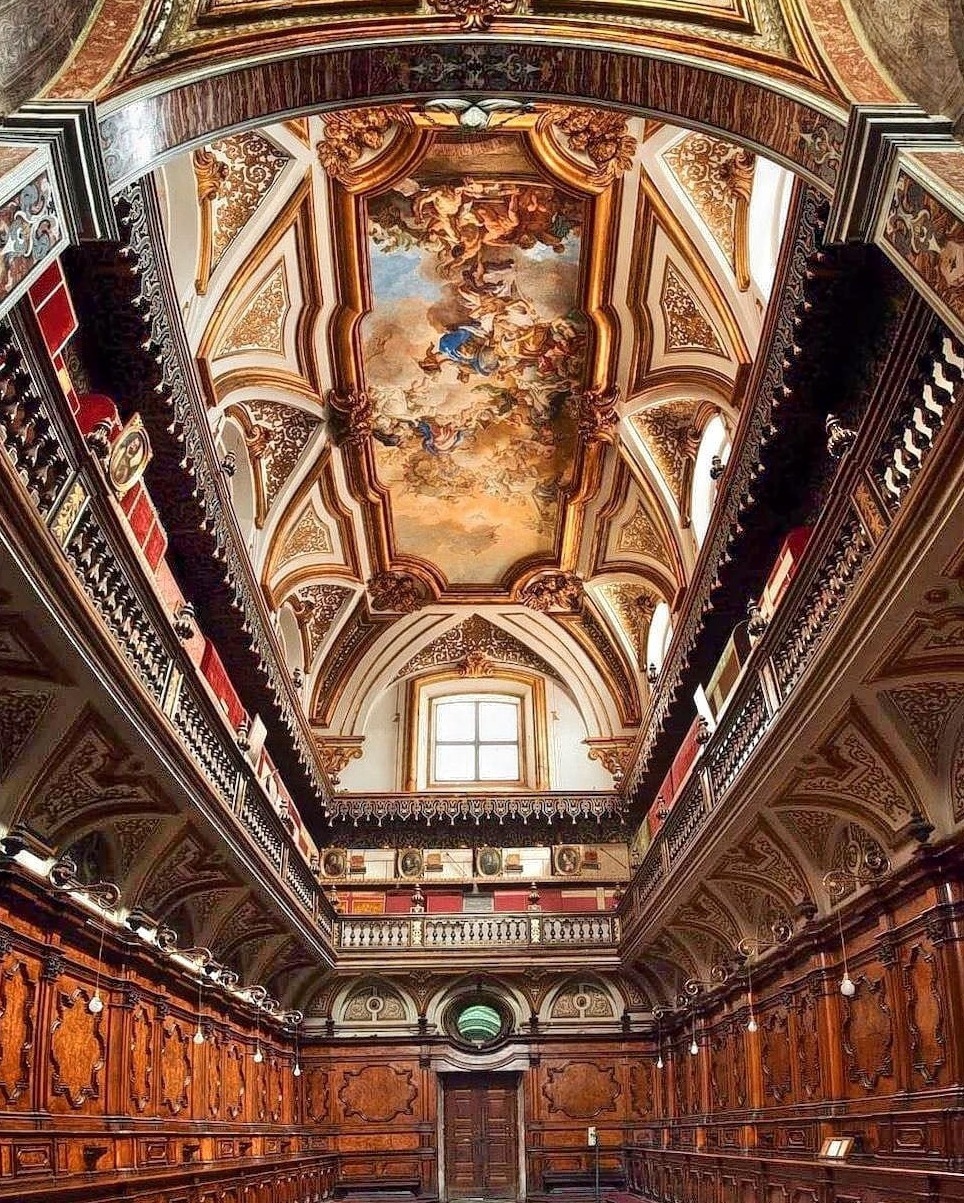

Nestled in the heart of Naples, the Sacristy of the Basilica of San Domenico Maggiore is a hidden gem that embodies the city's rich history and artistic heritage. This Baroque sanctuary, designed in the early 18th century by architect Giovan Battista Nauclerio, combines spiritual significance with exquisite artistry, making it a must-see for anyone exploring this vibrant city.
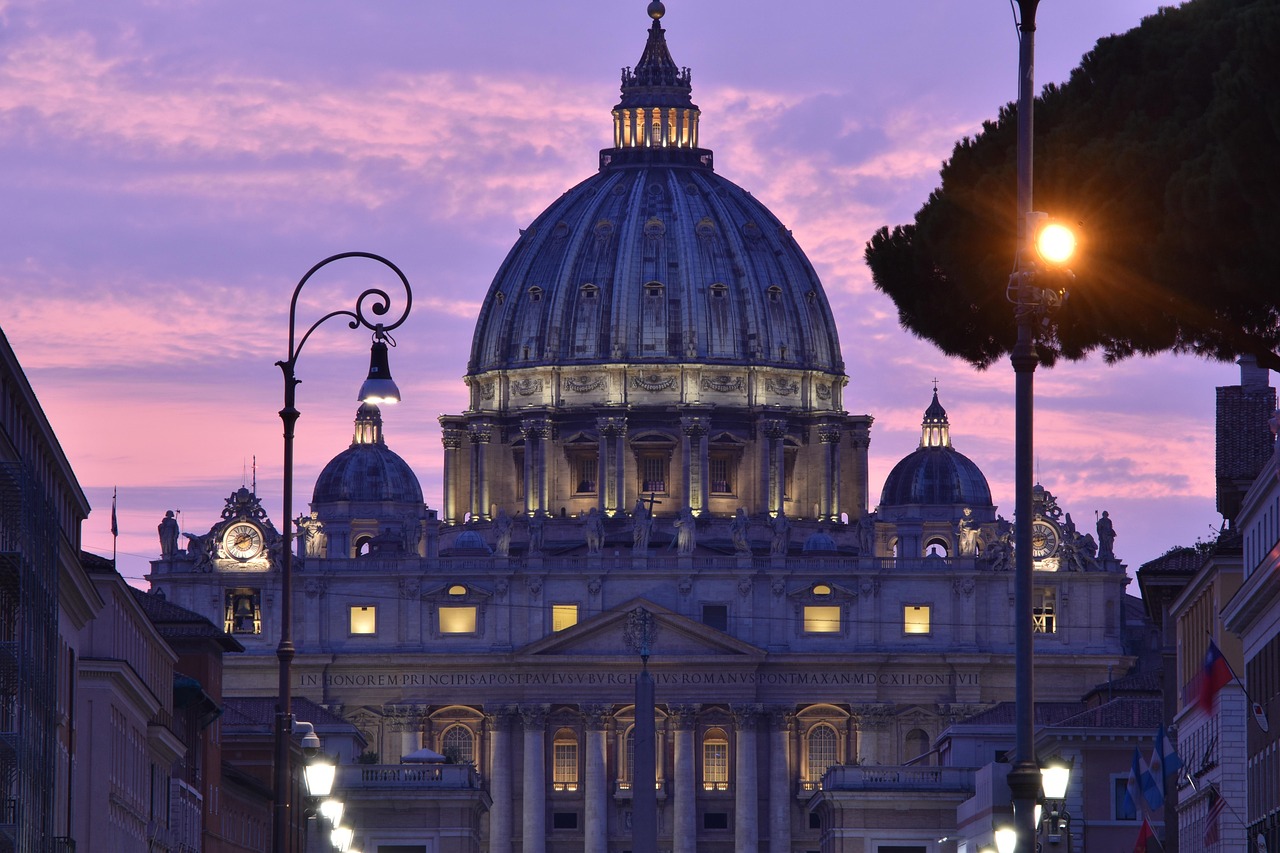
The origins of the Basilica of San Domenico Maggiore date back to the late 13th century when it was established by the Dominican Order. This church is not only a vital piece of religious architecture but also a significant historical landmark, having witnessed many key events in Naples' tumultuous past. Over the centuries, it has served as a burial site for several notable figures, including members of the Milano family, who played a crucial role in the region's social and political life.
Walking into the Sacristy, one is immediately struck by the Baroque elegance that envelops the space. The walls are adorned with intricately crafted walnut stalls, the handiwork of master carpenter Domenico Russo, all meticulously designed based on Nauclerio's plans. The ceiling features a stunning fresco titled Triumph of Faith over Heresy, executed by the celebrated artist Francesco Solimena in 1709. This masterpiece not only showcases Solimena's artistic prowess but also encapsulates the theological battles that the Dominicans championed during their evangelistic missions.
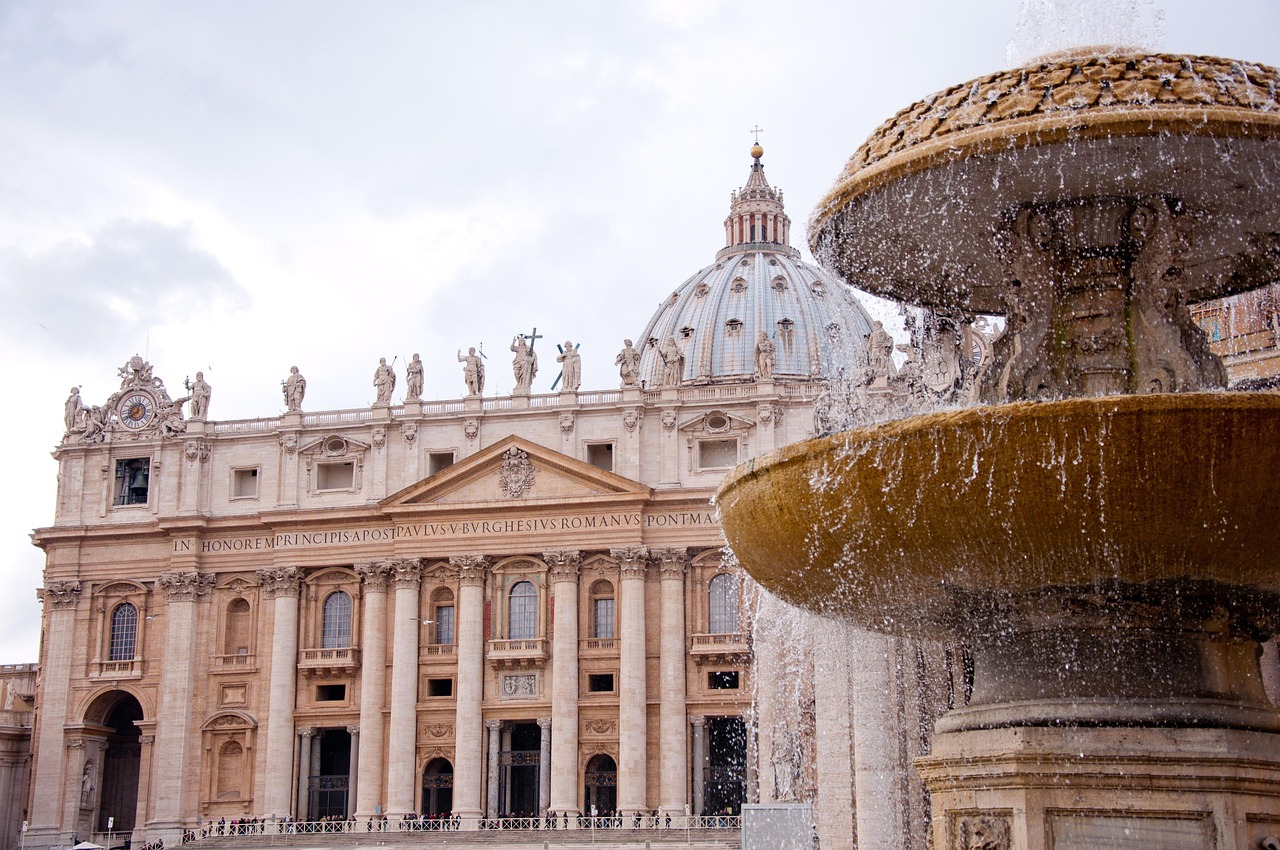
As you explore the Sacristy, you'll find a poignant reminder of the global reach of the Catholic Church— the tombstone of Richard Luke Concanen, the first Catholic bishop of New York, who passed away in Naples in 1810. This detail highlights the interconnectedness of Naples with international Catholic history, reflecting how the city has been a crossroads of faith and culture.
To the left of the entrance, a fourteenth-century bas-relief depicting Mary Magdalene beckons the curious eye. This artwork not only contributes to the overall spiritual ambiance but also serves as a testament to the artistic lineage that has thrived in Naples since the medieval period.
At the heart of the Sacristy lies the Cappella Milano, or the Chapel of the Annunciation, which showcases an altarpiece by Fabrizio Santafede. The altarpiece, paired with the elegant high altar designed by Bartolomeo and Pietro Ghetti between 1624 and 1626, captures the essence of Baroque art's grandeur. The chapel's side walls are adorned with frescoes of prominent members of the Milano family, painted by Giacomo Del Po prior to 1715, offering a glimpse into the familial patronage that supported the arts during this period.
Beyond its artistic treasures, the Sacristy is also a reflection of Naples' vibrant culture. The city is renowned for its festivals, including the Feast of San Gennaro, held every September, which celebrates the patron saint of Naples. During this festival, locals gather in the streets to witness the miraculous liquefaction of the saint's blood, a tradition that has persisted for centuries and highlights the deep-rooted religious fervor of the inhabitants.
No visit to Naples would be complete without indulging in its culinary delights. The city is famous for its pizza, particularly the classic Margherita, which is said to have originated here. The local cuisine also features sfogliatella, a flaky pastry filled with sweet ricotta, and limoncello, a lemon liqueur that captures the essence of the region's citrus trees. Many eateries around the Basilica serve these iconic dishes, allowing visitors to savor the flavors of Naples while soaking in its historical ambiance.
For those keen on uncovering lesser-known curiosities, the Sacristy offers a wealth of surprises. One intriguing detail is the hidden passageways that once allowed monks to navigate the Basilica discreetly. These passages, often overlooked by tourists, speak to the architectural ingenuity of the time and the need for privacy in religious life. Additionally, the Sacristy itself is often less crowded than other parts of the Basilica, providing a serene environment for contemplation and reflection.
When planning your visit, the best time to explore the Sacristy is during the early morning or late afternoon when the light filters through the windows, illuminating the artworks in a soft glow. Be sure to take your time to appreciate the intricate details of each piece and the stories they tell.
As you wander through this enchanting space, don’t forget to look up and admire the stunning frescoes that adorn the ceilings, as they provide a narrative of faith that transcends time.
To fully experience the rich tapestry of Naples, consider using the Secret World app to craft a personalized itinerary that ensures you uncover all the city has to offer.


