
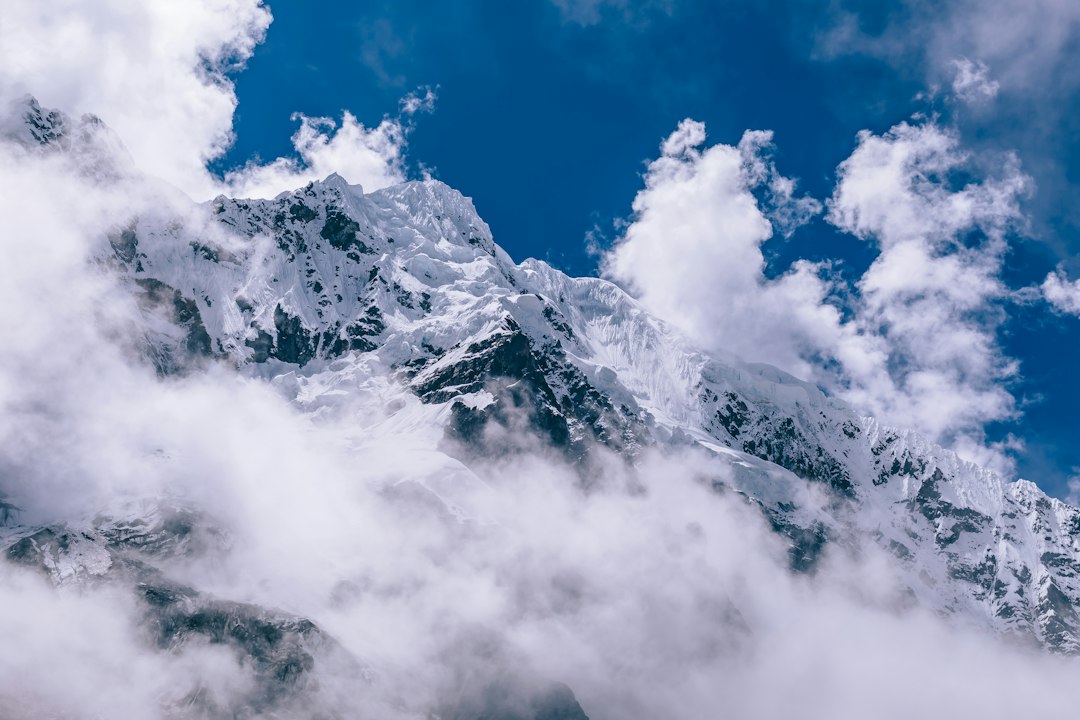

At a quota of 4,600 meters, the Salkantay Pass is the highest point of the entire route. Here, the wind cuts through the skin, breathing becomes short, and before your eyes stands the icy wall of the Nevado Salkantay, which reaches an altitude of 6,271 meters. This sacred mountain for the Quechua communities of the region dominates the landscape with a silent and imposing presence, representing the spiritual and physical heart of one of the most intense treks in the Peruvian Andes.
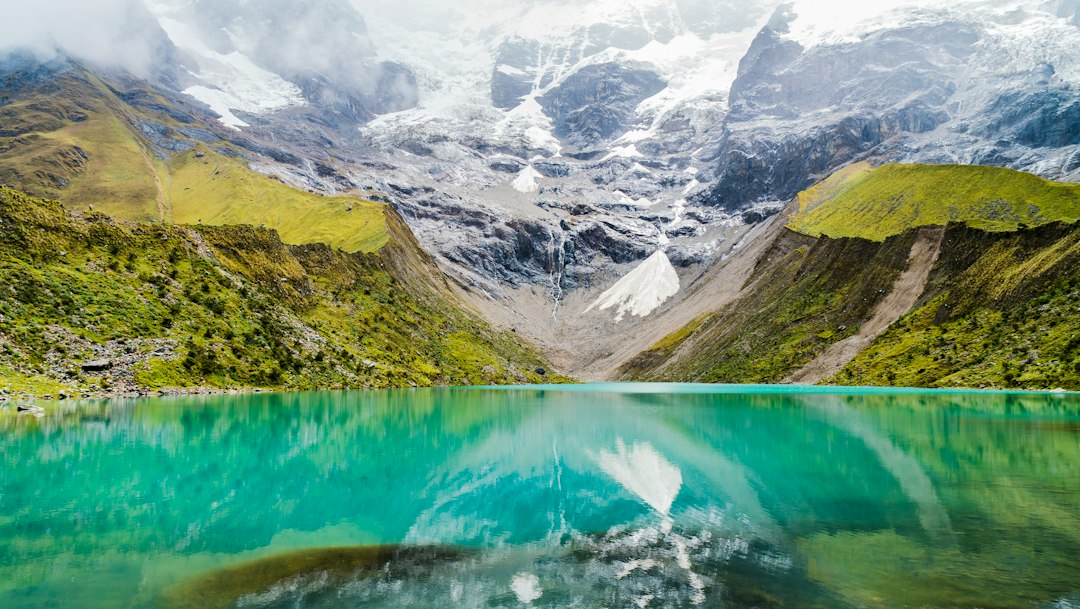
The Salkantay Trek is a five-day itinerary that starts from the surroundings of Mollepata or from Soraypampa, in the Cusco region, and ends in Aguas Calientes, the town at the foot of Machu Picchu. The route covers about 70-74 kilometers in total on foot, crossing radically different ecosystems: from the high-altitude Andean pampas, where vegetation is almost absent and glacial lagoons reflect the sky, to the subtropical misty forests where wild orchids grow and the toucan sings.
The day-by-day itinerary
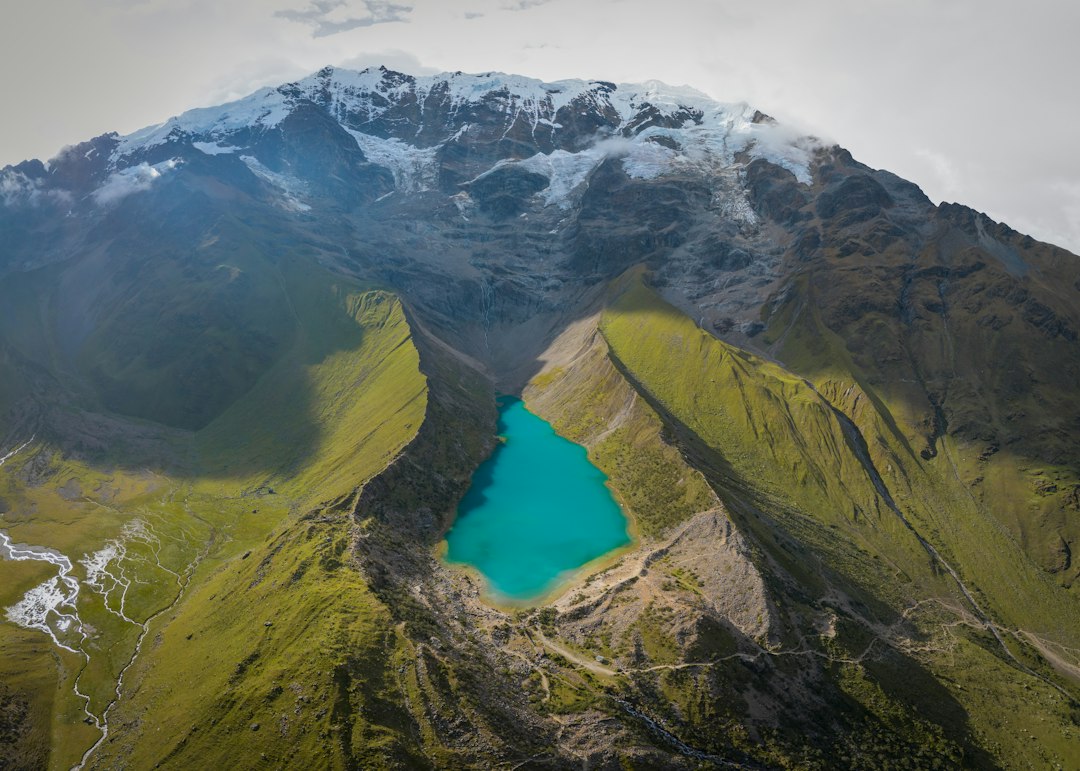
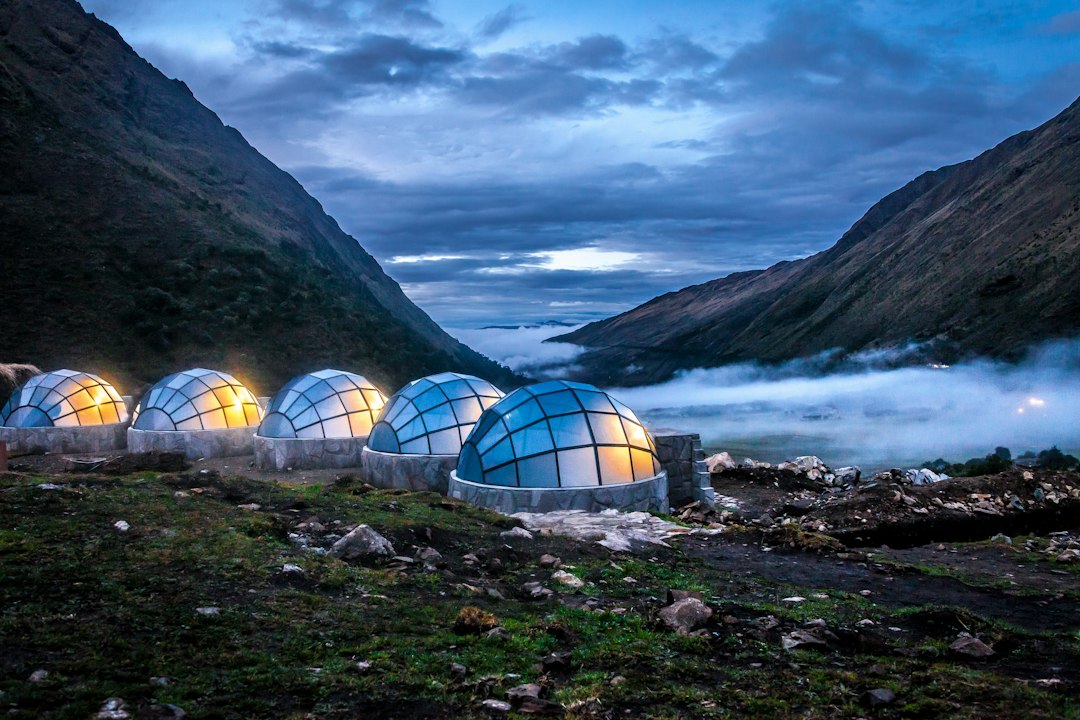
The first day typically starts from Cusco heading towards Soraypampa, at about 3,900 meters, where many base camps and lodges welcome trekkers before the ascent. The morning of the second day is the most challenging: you climb towards the Salkantay pass through a lunar landscape, with exposed rocks, turquoise lagoons, and the glacier visibly descending from the peak. The descent towards Wayrapunku and then into the valley takes walkers into a completely different environment, greener and more humid.
From the third day onwards, the trail gradually descends towards the high jungle area. You pass through villages like La Playa and Santa Teresa, where the temperature rises significantly compared to the previous days. Along this section, it is possible to spot hummingbirds, tropical butterflies, and increasingly lush vegetation. The last stretch, before reaching Aguas Calientes, can be walked along the railway or via local transport.
What can be seen along the trail
The variety of landscapes is the most marked characteristic of this trekking. In the early hours of walking, the terrain is dominated by ichu, the typical grass of the Andean highlands, and by lagoons formed by glacial melting. After crossing the pass, the trail descends through valleys where the first shrubs appear and then increasingly taller trees. In the sections of misty forest, it is common to encounter epiphytic plants, mosses covering every surface, and, with a bit of luck, blooming orchids.
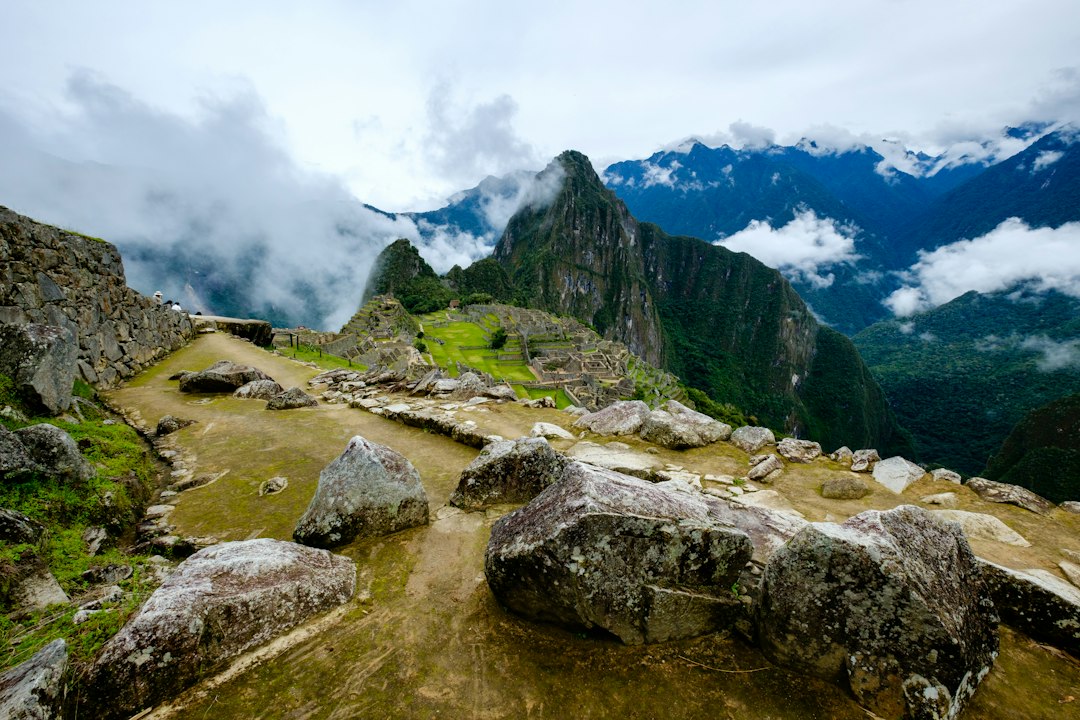
Along the route, there are also small rural settlements where local families sell fresh fruit, hot drinks, and simple meals. This contact with the Andean communities is an integral part of the experience. In some points of the trail, ancient stone structures related to the network of Inca paths, which connected the inhabited centers of the region, can still be found.
How to prepare and what to bring
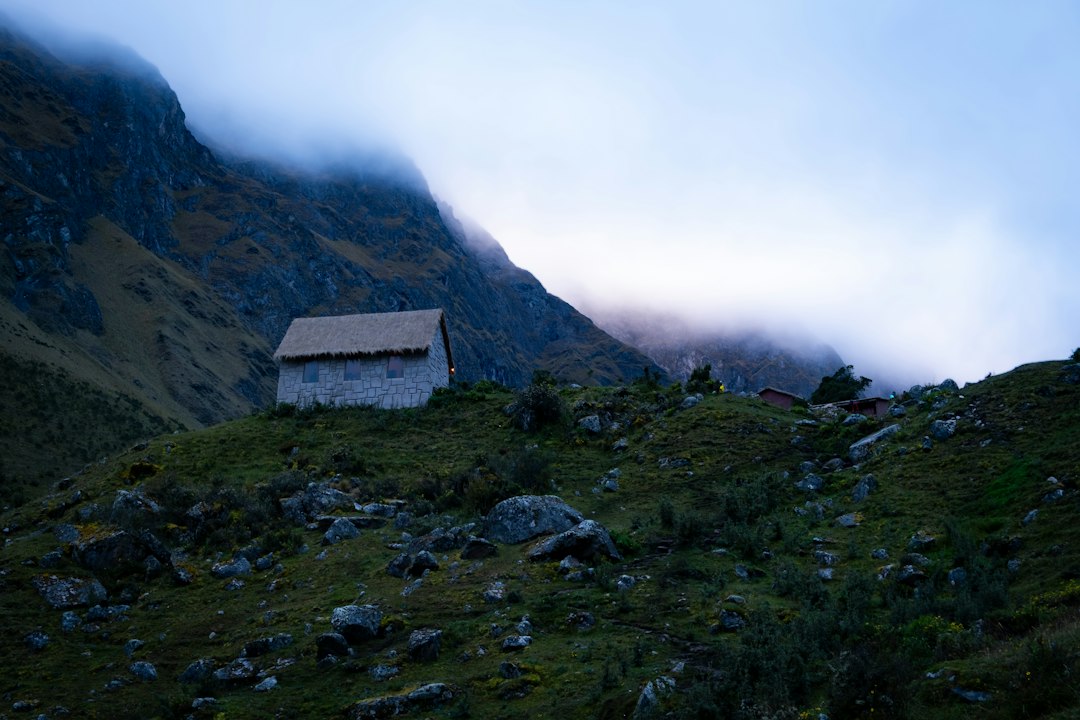
Altitude is the factor not to be underestimated. Cusco is already at a 3,400 meters, and most trekking agencies recommend spending at least two or three days in the city before starting the trek, to acclimatize. Altitude sickness can affect even physically fit people, and ignoring the initial symptoms can make the ascent to the pass dangerous.
The equipment must be suitable for very variable weather conditions: at night at high altitude, temperatures drop below zero, while in forest sections, humidity is high and rains are frequent, especially between November and March. It is advisable to bring thermal layers, a reliable raincoat, well-broken-in waterproof trekking shoes, and high-protection sunscreen, as UV radiation is very intense at these altitudes.
Practical information for organizing the trip
The Salkantay Trek does not require the government permit necessary for the classic Inca Trail, making it more flexible to book. Numerous agencies based in Cusco organize the route in a guided version with porters, mules for luggage transport, and meals included. The cost varies significantly based on the level of service chosen, from budget options with tents and field cooking to comfortable lodges along the route.
The best time to undertake the trek is the Andean dry season, which runs approximately from May to October. During these months, the days are generally clear, the nights are cold but stable, and the trails are safer. Arriving in Cusco by plane is the most common solution: the Alejandro Velasco Astete International Airport is served by domestic flights from Lima and some international destinations. From there, agencies organize transportation to the starting point of the trek.


