
← Back

San Gimignano

San Gimignano SI, Italia ★★★★☆ 183 views
Jonatan Banks
San Gimignano SI
🏆 AI Trip Planner 2026

Get the free app

Discover the best of San Gimignano SI with Secret World — the AI trip planner with 1M+ destinations. Get personalized itineraries, hidden gems and local tips. Free on iOS & Android.

🧠 AI Itineraries 🎒 Trip Toolkit 🎮 KnowWhere Game 🎧 Audio Guides 📹 Videos
Scan to download iOS / Android
Scan for AppGallery Huawei users

About San Gimignano

San Gimignano - San Gimignano SI | Secret World Trip Planner

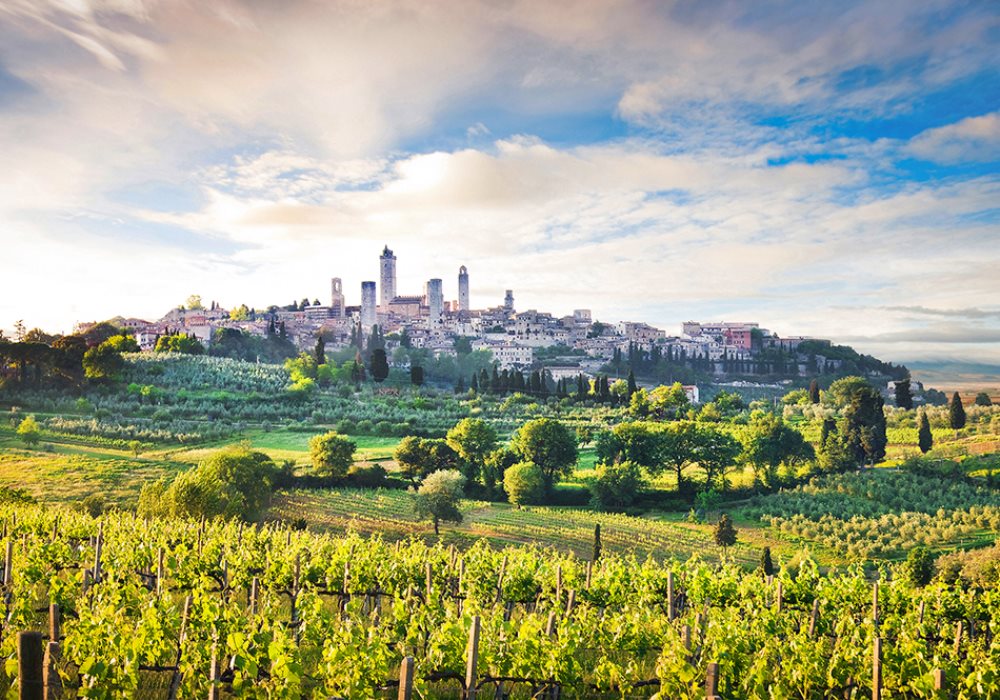
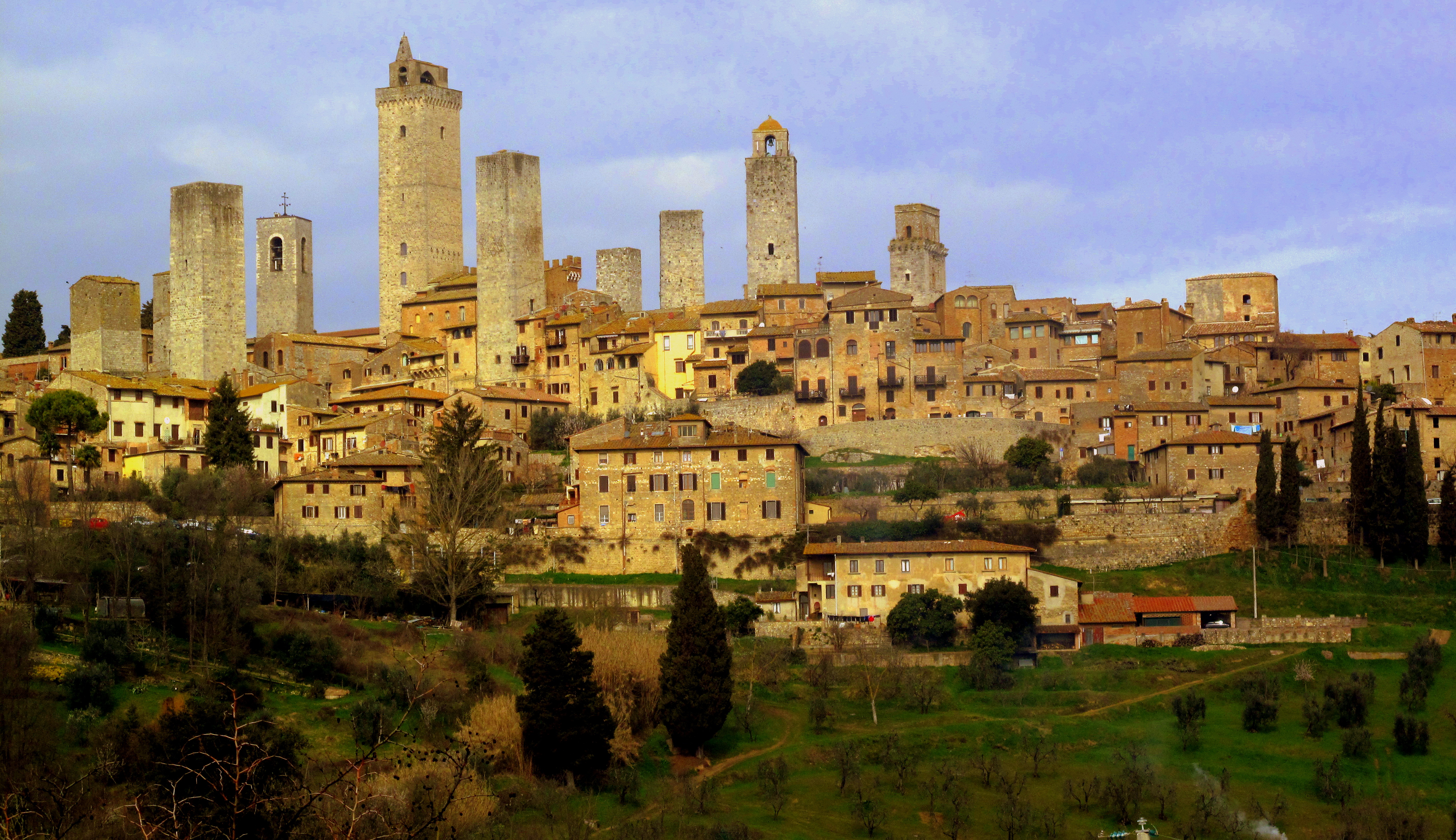
In the most prosperous period, the wealthy families of San Gimignano came to build as many as 72 towers as a symbol of their wealth and power. Of these, 14 remain today, contributing to the city 's even more fascinating atmosphere.
San Gimignano - San Gimignano SI | Secret World Trip Planner

Declared a UNESCO World Heritage Site in 1990, San Gimignano is one of the small gems of the province of Siena. San Gimignano stands on an ancient Etruscan settlement around a parish church dating from the seventh century and a castle donated in 929 to the episcopate of Volterra; in the twelfth century it became a free commune. Its first city walls came into being in 998, a period when San Gimignano became a trading point along the Via Francigena. The pride of families enriched by trade led to the erection of 72 towers, (by law, however, none of these could exceed in height the tower of the commune, known as the Rognosa).

Ravaged by constant internal struggles between Guelphs and Ghibellines (in the spring of 1300 Dante Alighieri stayed here as ambassador of the Guelph League of Tuscany) and always at odds with neighboring Volterra, in 1343 it was subjugated by the Duke of Athens and in 1353 submitted defitively to Florence, subsequently following the fortunes of the Grand Duchy of Tuscany until 1860.
San Gimignano - San Gimignano SI | Secret World Trip Planner

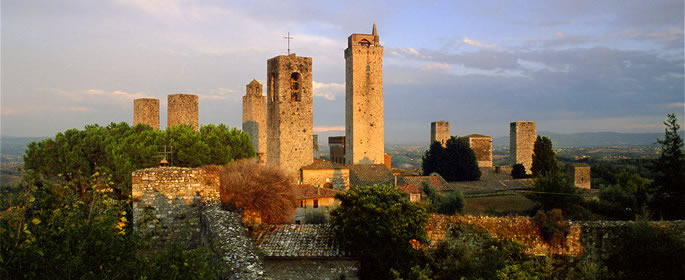
San Gimignano's urban structure and numerous civil and religious buildings, which have remained almost intact, have allowed it to preserve its medieval physiognomy;

🗺 AI Trip Planner 2026

Plan your visit to San Gimignano SI

Suggested itinerary near San Gimignano

MAJ+
500.000+ travelers worldwide
  1. 🌅
    Morning
    San Gimignano
    📍 San Gimignano SI
  2. ☀️
    Afternoon
    Tuscany | San Gimignano
    📍 0.5 km · San Gimignano SI
  3. 🌆
    Evening
    San Gimignano: The Polo Museale di Santa Chiara
    📍 0.7 km · San Gimignano SI

Buy Unique Travel Experiences

Powered by Viator

See more on Viator.com

Explore nearby · San Gimignano SI

Frequently Asked Questions

Of the 72 towers that were originally built during San Gimignano's most prosperous period by wealthy families, only 14 remain today. These surviving towers are iconic symbols of the city's medieval wealth and power, and they significantly contribute to its fascinating and distinctive atmosphere.
San Gimignano was declared a UNESCO World Heritage Site in 1990 because its urban structure and numerous civil and religious buildings have remained almost intact since medieval times, allowing it to preserve its authentic medieval character. The city's remarkable preservation, including its famous towers and historic architecture, makes it one of the most important medieval towns in Italy.
San Gimignano stands on an ancient Etruscan settlement and became a thriving trading point along the Via Francigena in the eleventh century, which enriched local families who built the famous towers. The city played a notable role in Italian medieval politics, famously hosting Dante Alighieri in 1300 as an ambassador of the Guelph League, before eventually submitting to Florence in 1353.
The wealthy merchant families of San Gimignano built up to 72 towers as symbols of their wealth and power during the city's most prosperous period. However, a law required that none of these towers could exceed the height of the Rognosa, the tower of the commune, ensuring a balance of power among the competing families.
San Gimignano's architecture represents the medieval period, with buildings and urban structures that have remained almost unchanged since the Middle Ages. The city's preserved medieval physiognomy, including its towers, walls built in 998, and religious buildings dating from the seventh century, makes it an exceptional example of how a medieval town looked during its heyday.