
← Back

Santa Maria Donnaromita

Santa Maria Donnaromita — Napoli, Italia.

Via Giovanni Paladino, Napoli, Italia ★★★★☆ 166 views
Mira Castaneda
Napoli
🏆 AI Trip Planner 2026

Get the free app

Discover the best of Napoli with Secret World — the AI trip planner with 1M+ destinations. Get personalized itineraries, hidden gems and local tips. Free on iOS & Android.

🧠 AI Itineraries 🎒 Trip Toolkit 🎮 KnowWhere Game 🎧 Audio Guides 📹 Videos
Scan to download iOS / Android
Scan for AppGallery Huawei users

About Santa Maria Donnaromita

Santa Maria Donnaromita - Napoli | Secret World Trip Planner

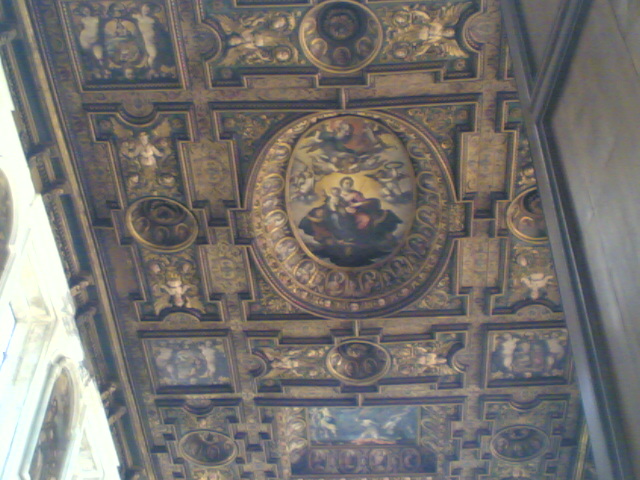
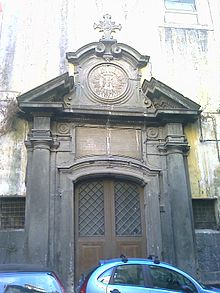
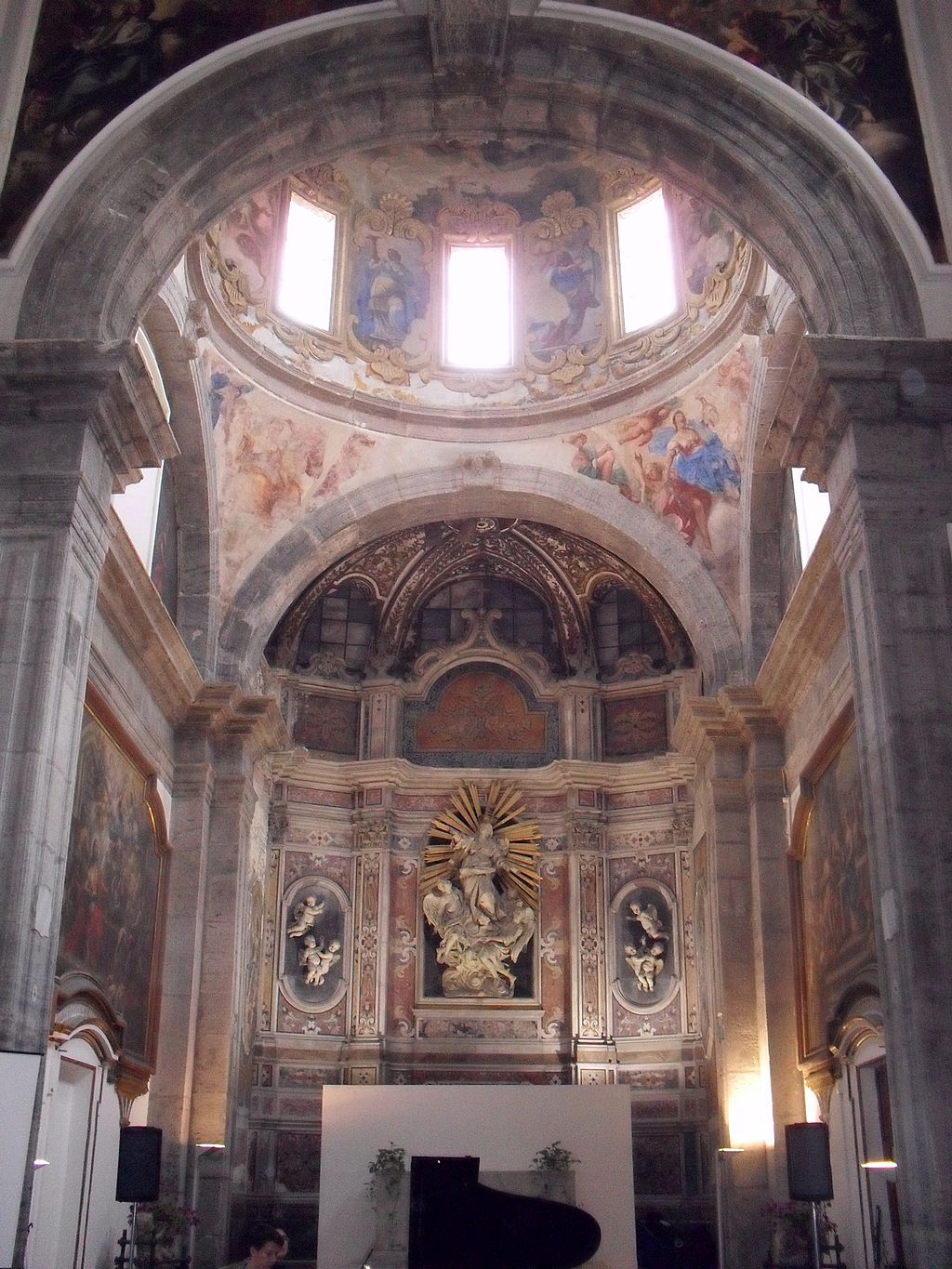
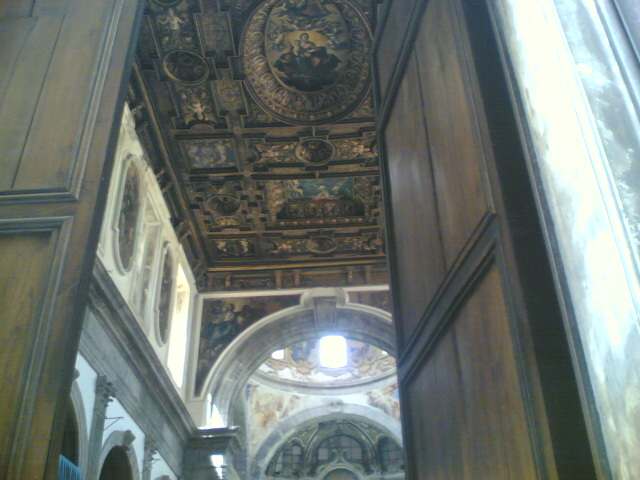
The church and the monastery were founded in the 8th century by nuns who had fled from Constantinople after the Iconoclastic persecutions. The building originally housed Sant'Andrea in Nilo. The original title, which echoed that of the abandoned congregation, was Santa Maria a Percejo. "Donnaromita" is nothing more than the popular deformation of "Romite in Constantinople". \It was the nuns from Constantinople and Romania who founded a monastery next to the church of Sant'Andrea a Nilo, which was called Santa Maria de Percejo or Petrejo or Santa Maria di Costantinopoli or Cella Nova. The Neapolitan people called it monastery of the women of Romania or of the Romite of Constantinople and, by contraction, of Donnaromita.According to the historian Bartolomeo Capasso instead, the name derives from the name of the family that founded the monastery before the year 1025 and that was called Domina Aromata.In the 13th century the complex was enlarged incorporating other small churches and chapels present in the area. The church was completely rebuilt in 1535 on the design of the architect Giovan Francesco di Palma. The interior has a single nave with ten chapels. The wooden ceiling was realized between 1587 and 1590 by Nunzio Ferraro and Giovan Battista Vigliante on a design by Andrea Magliulo. The central panels of the ceiling are by Teodoro d'Errico, while the eight lateral paintings are by Girolamo Imparato. In the dome there is a fresco, started by Luca Giordano and realized in 1696 by Giuseppe Simonelli, author also of the frescoes of the vaults and of the sails. \n
Santa Maria Donnaromita - Napoli | Secret World Trip Planner
🗺 AI Trip Planner 2026

Plan your visit to Napoli

Suggested itinerary near Santa Maria Donnaromita

MAJ+
500.000+ travelers worldwide
  1. 🌅
    Morning
    Santa Maria Donnaromita
    📍 Napoli
  2. ☀️
    Afternoon
    Church of Saints Severino and Sossio
    📍 0.1 km · Napoli
  3. 🌆
    Evening
    Church of Sant'Angelo a Nilo ( Brancaccio Chapel )
    📍 0.1 km · Napoli

Buy Unique Travel Experiences

Powered by Viator

See more on Viator.com

Explore nearby · Napoli

Frequently Asked Questions

The name 'Donnaromita' is a popular deformation of 'Romite in Constantinople,' referring to the nuns from Constantinople and Romania who founded the monastery in the 8th century after fleeing Iconoclastic persecutions. Some historians alternatively suggest it derives from the Domina Aromata family, which may have founded the monastery before 1025.
The church and monastery were founded in the 8th century by Byzantine nuns fleeing religious persecution, originally housing Sant'Andrea in Nilo. The current structure was completely rebuilt in 1535 by architect Giovan Francesco di Palma, and the complex was enlarged in the 13th century by incorporating other small churches and chapels from the surrounding area.
The church features a single nave with ten chapels, an ornate wooden ceiling created between 1587-1590 with central panels by Teodoro d'Errico and lateral paintings by Girolamo Imparato, and a magnificent dome with a fresco started by Luca Giordano and completed in 1696 by Giuseppe Simonelli. The vaults and sails also contain frescoes by Simonelli, making it a remarkable example of Baroque art and architecture.
The wooden ceiling was realized between 1587 and 1590 by craftsmen Nunzio Ferraro and Giovan Battista Vigliante, working from a design by Andrea Magliulo. The central panels feature paintings by Teodoro d'Errico, while eight lateral paintings were created by Girolamo Imparato.
The church was completely rebuilt in 1535 under the design of architect Giovan Francesco di Palma, representing a significant architectural renewal from its original 8th-century founding. This reconstruction modernized the structure while the 13th-century expansions had already incorporated additional churches and chapels from the surrounding Naples area into the complex.
Secret World Hidden places, real stories — plan your trip
Get the app