



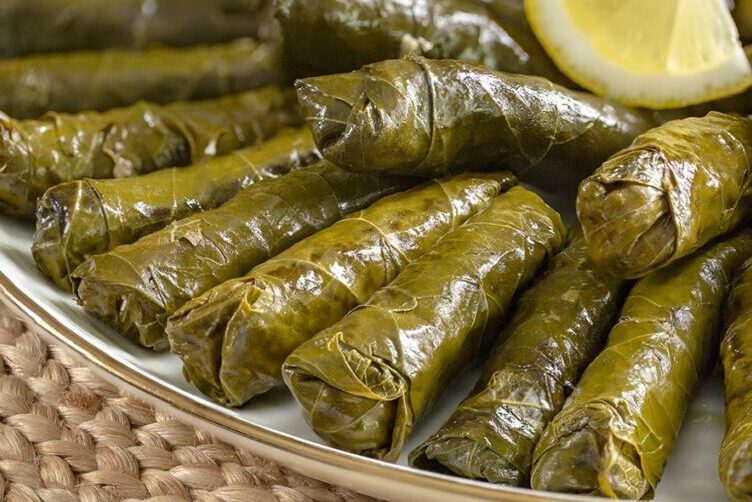
Nestled in the heart of Sarajevo, Sarma is more than just a dish; it’s a testament to the city's rich cultural tapestry and culinary heritage. This traditional meal, made of dolma rolls crafted from cabbage or other vegetable leaves, showcases the harmony of flavors that define Bosnian cuisine. The history of Sarma is deeply intertwined with the region’s diverse influences, dating back to the Ottoman Empire, when the art of rolling and stuffing vegetables became a beloved culinary tradition. As you stroll through the streets of Sarajevo, the aroma of simmering Sarma beckons, inviting you to partake in a meal that has been cherished for centuries.
### History and Origins The origins of Sarma can be traced back to the Ottoman Empire, which ruled the region from the late 15th century until the late 19th century. The word ‘sarma’ is derived from the Turkish word ‘sarmak’, meaning ‘to wrap’ or ‘to roll’. Traditionally, Sarma was a dish prepared during special occasions and holidays, symbolizing unity and hospitality. The practice of filling leaves with various ingredients reflects the agricultural abundance of the region, where cabbage, rice, and meat were readily available. Over the centuries, this dish has evolved, mirroring the cultural exchanges that characterize Sarajevo itself.
### Art and Architecture While enjoying Sarma, one might notice the artistic influences present in Sarajevo’s architecture, which range from Ottoman mosques to Austro-Hungarian buildings. The Gazi Husrev-beg Mosque, one of the most significant architectural landmarks, showcases stunning Islamic art and design. Its intricate calligraphy and tile work mirror the craftsmanship that goes into the preparation of Sarma itself. Strolling through the Baščaršija district, where cobblestone streets are lined with artisan shops, one can appreciate how the city’s artistry extends beyond its buildings to its culinary practices.
### Local Culture and Traditions Sarajevo is a melting pot of cultures, and this diversity is celebrated through various festivals and local customs. One such festival is the Sarajevo Film Festival, which attracts international filmmakers and cinephiles alike. However, culinary traditions like Sarma often take center stage during family gatherings, particularly around holidays such as Eid and Christmas. These occasions are marked by communal cooking and sharing, where the preparation of Sarma becomes a family affair, highlighting the importance of togetherness in Bosnian culture.
### Gastronomy In addition to Sarma, Sarajevo boasts a rich gastronomy scene. Typical local foods include ćevapi (grilled minced meat), burek (savory pastry filled with meat or cheese), and pita (a type of flaky pastry). Traditional drinks such as rakija (fruit brandy) and Bosnian coffee are often served alongside meals, enhancing the dining experience. The combination of flavors in Sarma, from the savory meat to the tangy yogurt served on the side, encapsulates the essence of Bosnian hospitality.
### Lesser-known Curiosities While many visitors flock to famous sites, few know that the best Sarma is often found in family-run restaurants or homes rather than tourist hotspots. Additionally, the broth used in Sarma is sometimes enriched with secret family spices that have been passed down through generations. Some locals even claim that the quality of the cabbage leaves, which should be tender yet firm, is vital to achieving the perfect roll. Furthermore, Sarma is traditionally served on January 1st, a culinary custom believed to bring good luck for the new year.
### Practical Visitor Information The best time to visit Sarajevo is during the late spring or early autumn, when the weather is mild, and local produce is abundant. If you wish to savor authentic Sarma, consider visiting during winter months when it is a staple in local households. To truly appreciate this dish, dine at a local konoba (tavern) where you can engage with the cooks and learn about the preparation process. Don't forget to pair your Sarma with a traditional yogurt drink to balance the flavors.
Whether you’re a gourmet or a curious traveler, Sarma offers a unique glimpse into the culinary heart of Bosnia and Herzegovina. As you explore Sarajevo, let the flavors of this exquisite dish guide your journey through the city’s rich history and vibrant culture.
Discover the intricate layers of Sarajevo and plan your personalized itinerary with the Secret World app for a truly memorable experience.
