



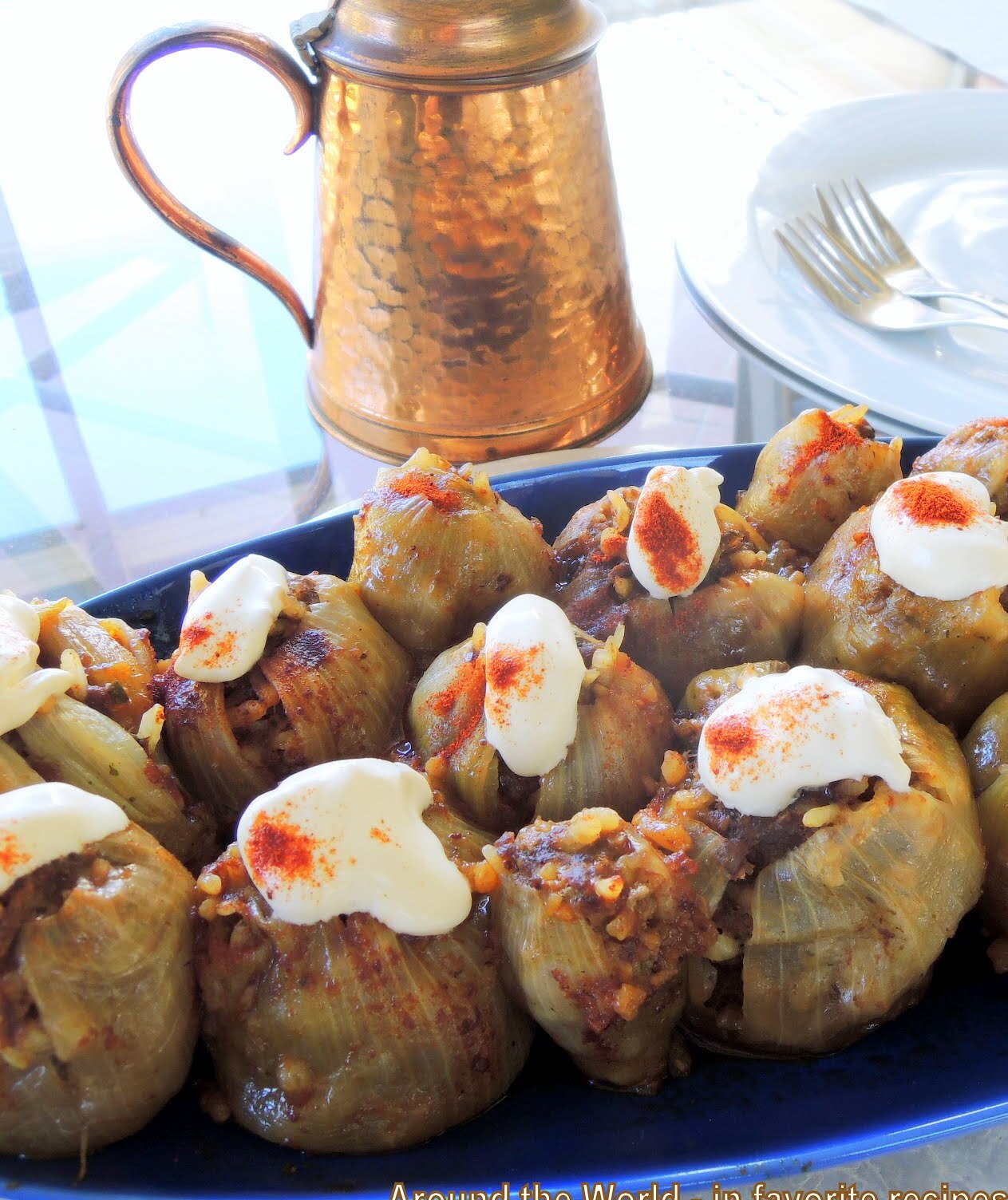
In the heart of Sarajevo, a culinary gem awaits those willing to explore the rich tapestry of Bosnian cuisine: Sógan Dolma, or stuffed onions. This dish, which combines the sweetness of onions with savory minced meat and rice, tells a story as layered as its ingredients.
### History and Origins The roots of Sógan Dolma can be traced back to the Ottoman Empire, which ruled the Balkans for over four centuries. The use of spices and the practice of stuffing vegetables are as old as the empire itself, influenced by the diverse cultures within its territories. The word “dolma,” which means “stuffed” in Turkish, is a legacy of this culinary tradition.
In Bosnia and Herzegovina, the dish evolved through local flavors, incorporating indigenous ingredients like paprika and vinegar. The 20th century marked a significant period for Bosnian cuisine, as it faced challenges during the Yugoslav Wars (1991-1995). Post-war, the revitalization of traditional dishes like Sógan Dolma became a way for communities to reconnect with their heritage.
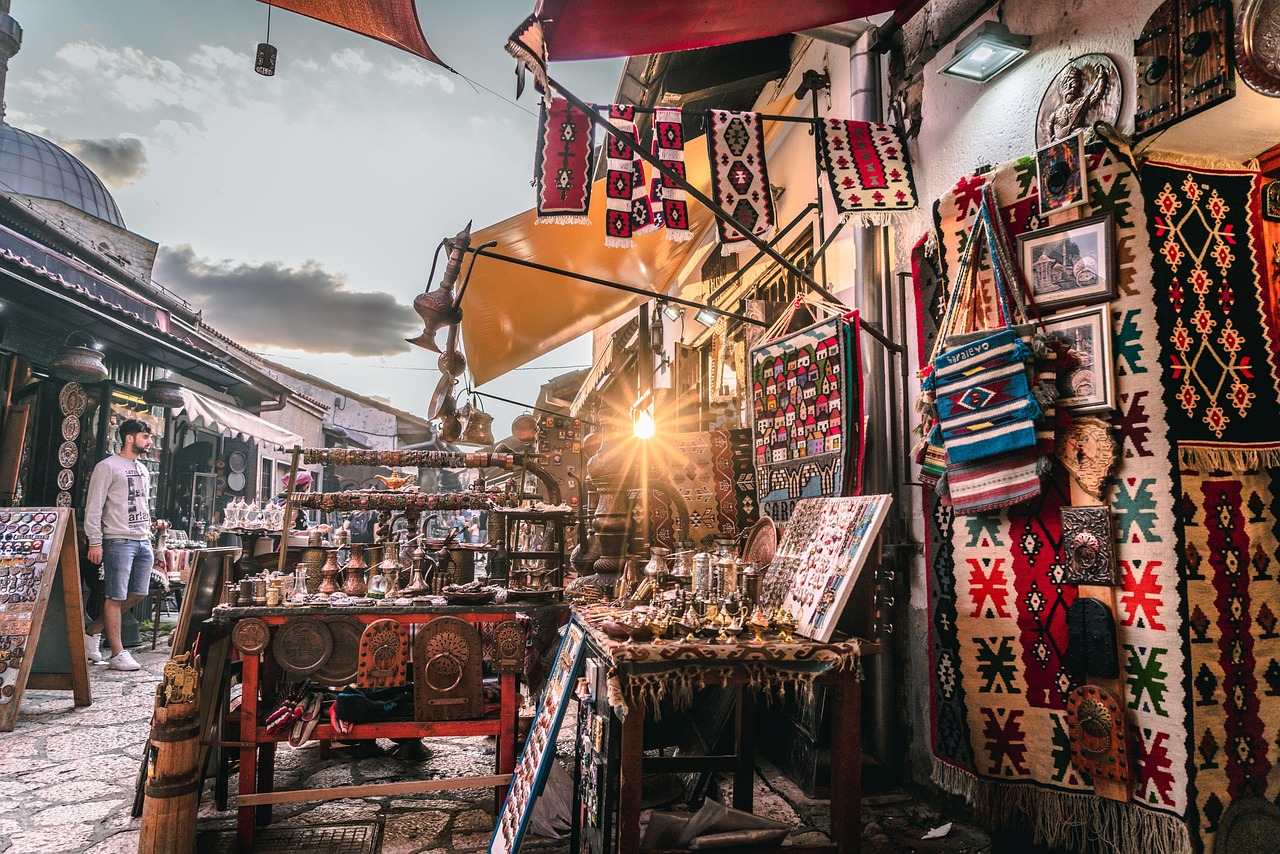
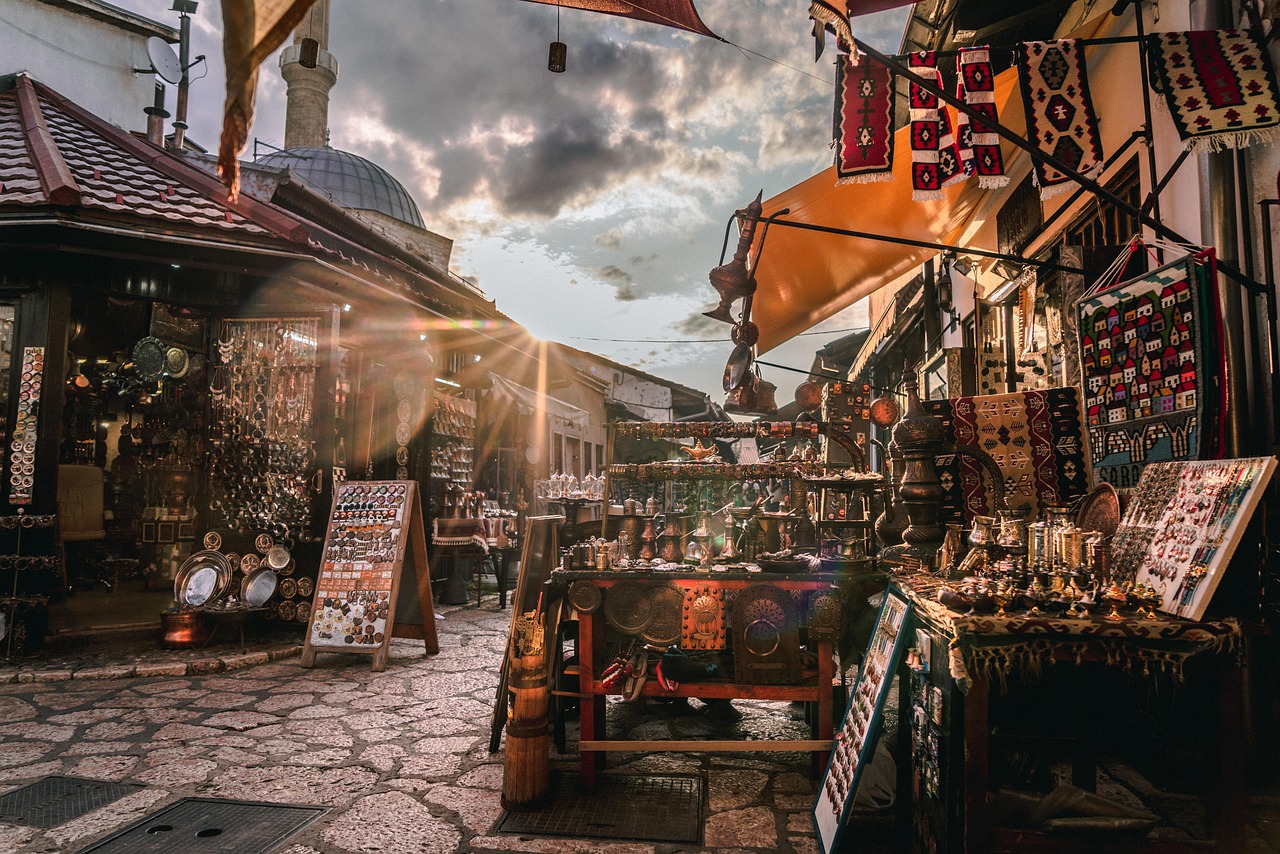
### Art and Architecture While Sógan Dolma is a culinary delight, the architectural landscape of Sarajevo offers a visual feast that complements the city’s rich food culture. The Baščaršija, the old bazaar, is a prime example of Ottoman-era architecture, with its cobblestone streets and stunning mosques like the Gazi Husrev-beg Mosque. This historical district is not only a hub for traditional crafts but also a place where local eateries serve Sógan Dolma, allowing visitors to taste history.
The combination of culinary and architectural artistry reflects the Bosnian spirit, where every bite of food is steeped in centuries of tradition, much like the vibrant mosaic of cultures found within the city’s walls.
### Local Culture and Traditions In Bosnia, food is more than sustenance; it’s a vehicle for community and celebration. Sógan Dolma is often served during family gatherings and festive occasions, symbolizing hospitality and warmth. The Eid al-Fitr and Eid al-Adha celebrations feature this dish prominently, showcasing its significance in communal gatherings.
Cultural events like the Sarajevo Film Festival also highlight local cuisine, with food stalls offering traditional dishes. This blending of culture and cuisine creates an engaging atmosphere for visitors and locals alike, encouraging connection through shared meals.
### Gastronomy The culinary landscape of Sarajevo is rich and diverse, reflecting its historical influences. Apart from Sógan Dolma, traditional dishes such as Burek (savory pastry filled with meat) and Sogan-dolma (stuffed bell peppers) are must-tries. Local beverages like rakija (fruit brandy) and Bosnian coffee complement these meals beautifully, rounding out the gastronomic experience.
In the realm of desserts, Baklava and Tufahija (a sweet stuffed apple) are popular choices, showcasing the region’s penchant for sweet delicacies that balance the savory notes of the main dishes.
### Lesser-Known Curiosities One fascinating aspect of Sógan Dolma is the variety of onions used. Local chefs often prefer the larger Vidalia onions for their sweetness, which enhances the dish's overall flavor profile. Interestingly, during the Ottoman era, stuffed dishes were often considered a status symbol, reserved for nobility and special occasions.
Another curious fact is that Sógan Dolma has a unique regional twist depending on where you are in Bosnia. In some areas, you might find them prepared with sour cream or topped with yogurt, reflecting local preferences and culinary creativity.
### Practical Visitor Information For those keen to experience Sógan Dolma in its authentic setting, the best time to visit Sarajevo is during the spring or early autumn months (April to June and September to October). The weather is mild, making it perfect for wandering the streets and discovering local eateries.
Do make sure to explore the Baščaršija district, where you can find restaurants serving traditional dishes, including Sógan Dolma. Engaging with local chefs can provide insights into the preparation techniques and cultural significance of this beloved dish.
### Conclusion As you indulge in Sógan Dolma, you’re not just savoring a meal; you’re partaking in a rich cultural narrative that binds the past and present of Bosnia. Each bite carries stories of resilience, tradition, and communal spirit, making it a dish worth seeking out in this captivating city. To enhance your experience, consider using the Secret World app for a personalized itinerary to explore Sarajevo more deeply.
