
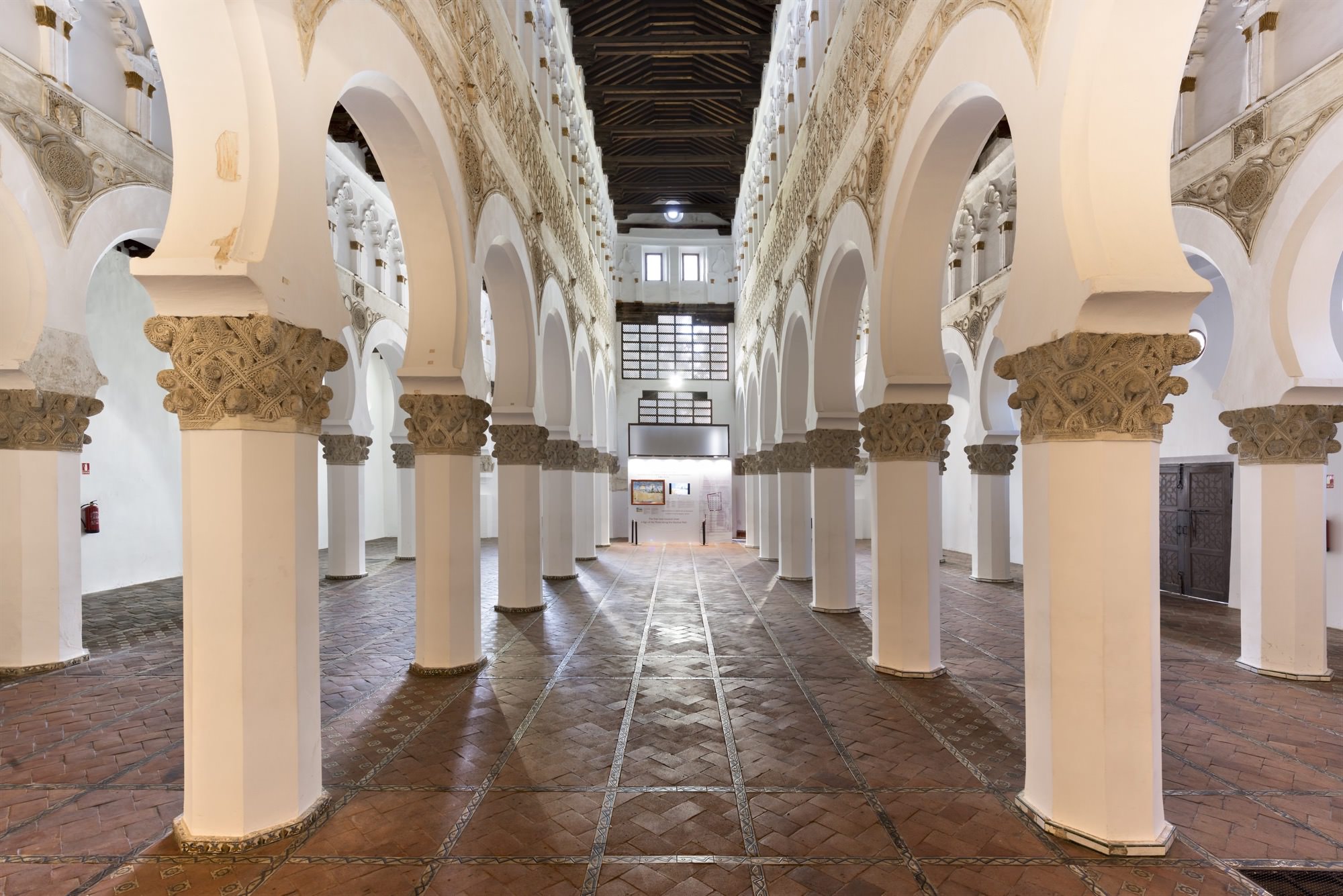

In the heart of Toledo, Santa María la Blanca stands as a testament to the rich tapestry of Iberian history. Erected in 1180, it claims to be one of the oldest standing synagogues in Europe. The structure was built during a time of remarkable cultural cooperation among Jews, Christians, and Muslims. Its architecture, a blend of Mudejar and Gothic styles, showcases the influence of Islamic builders in a Christian kingdom. The synagogue's whitewashed walls, adorned with intricate arches and wooden ceilings, reflect the elegance of the period, making it a true architectural jewel.
Originally established as a place of worship for the Jewish community in Toledo, the synagogue underwent a significant transformation after the Reconquista. In 1405, it was repurposed as a Catholic church, named Santa María la Blanca, symbolizing the gradual decline of Jewish presence in the region. Despite its conversion, the building continues to resonate with the history of Judaism in Spain and serves as a museum, showcasing the coexistence of three cultures that once thrived together in the Iberian Peninsula.
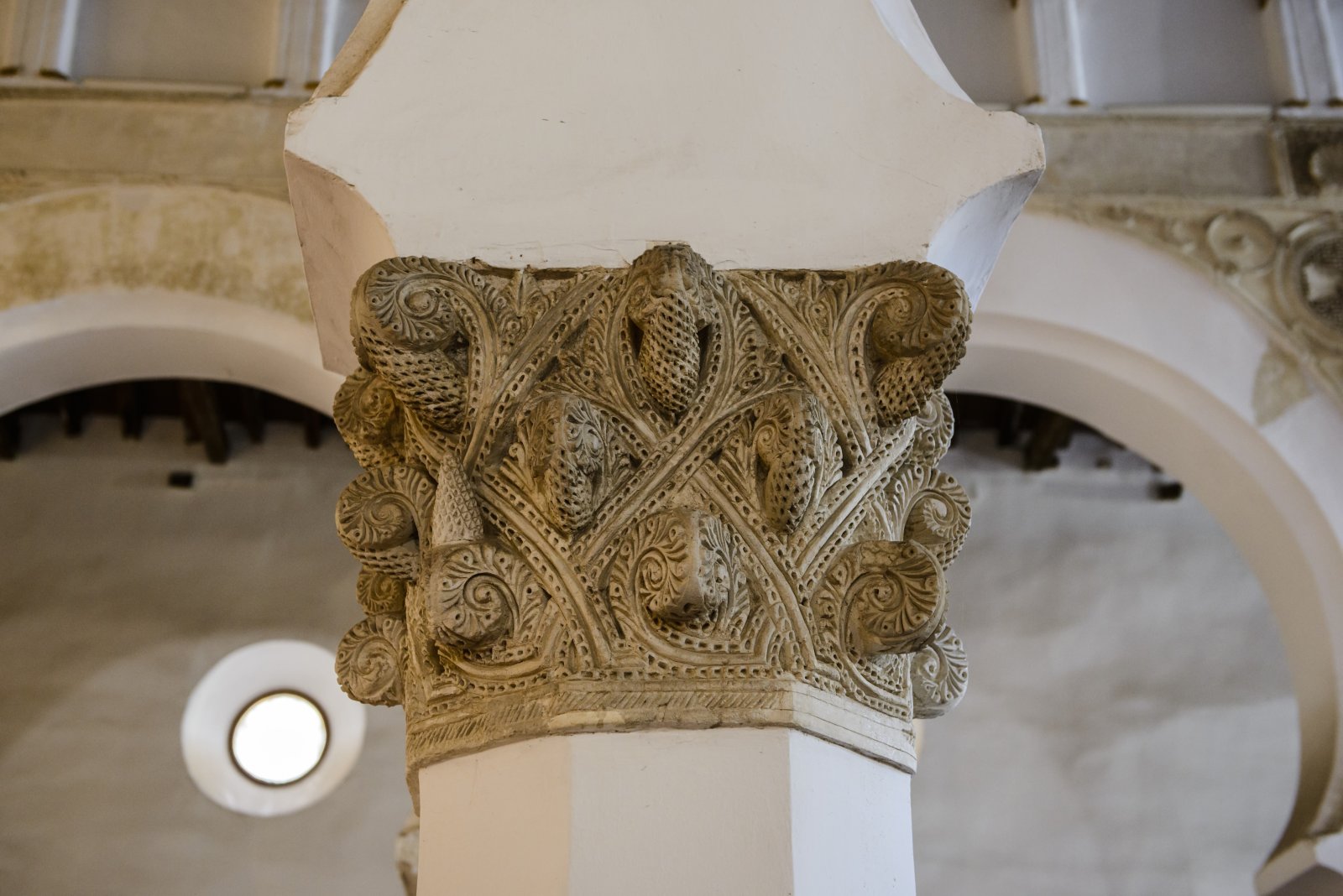
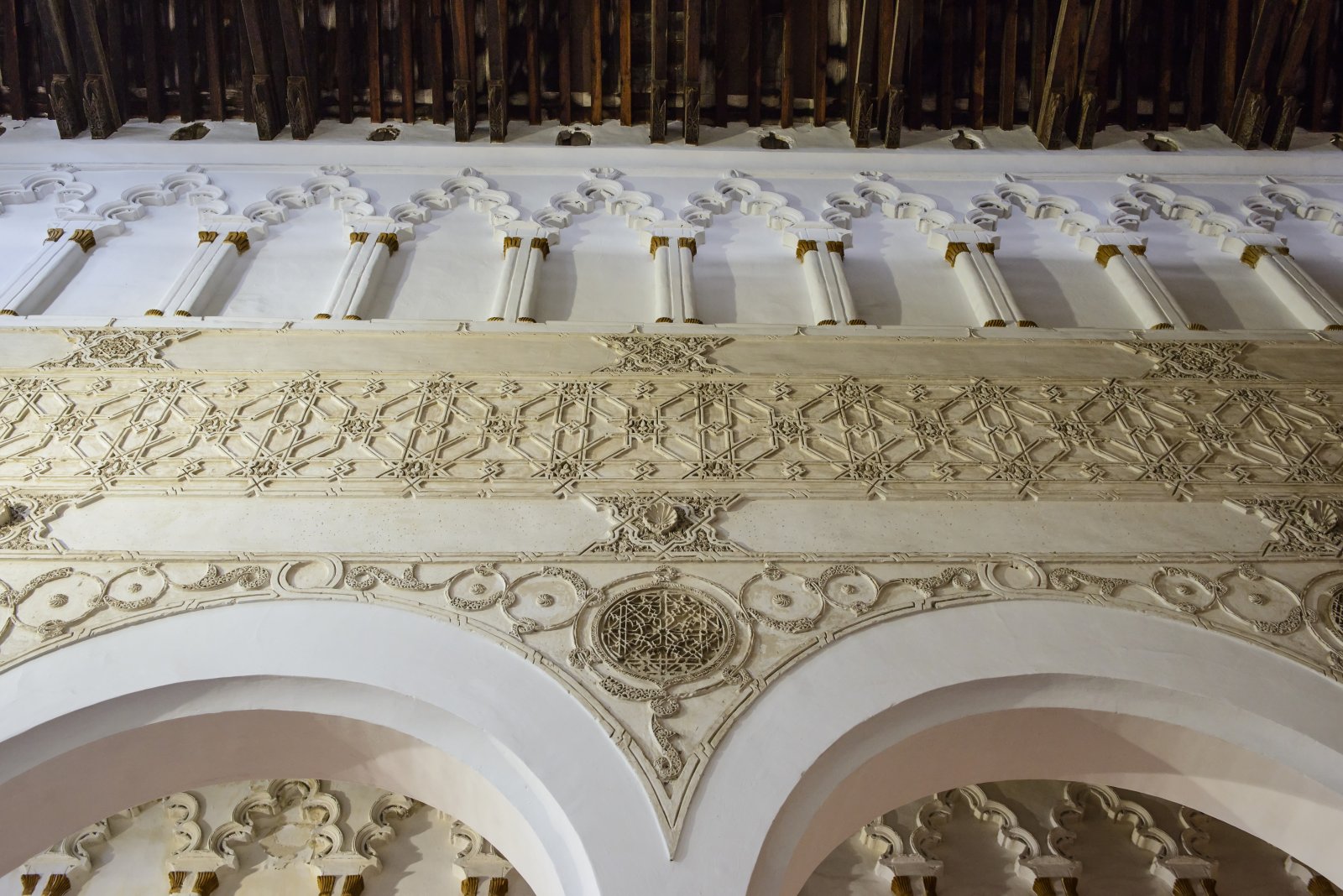
Visitors are often captivated by the artistic significance of Santa María la Blanca. The interior features Mudejar-style arches, a hallmark of Islamic architecture, as well as beautiful wooden ceilings that are reminiscent of Moorish craftsmanship. The delicate carvings and intricate designs throughout the space tell stories of a time when cultural boundaries were blurred. Artworks within the synagogue, although limited due to its religious conversions, still evoke a sense of reverence and admiration for the past.
Toledo is not just a city steeped in history; it is a vibrant hub of living culture. Festivals such as the Fiestas de San Juan and Semana Santa (Holy Week) invite locals and visitors alike to celebrate age-old traditions. During these festivals, the streets come alive with music, dance, and traditional foods, offering a glimpse into the local culture. The blend of Christian, Muslim, and Jewish customs during these celebrations is a reflection of the city's diverse heritage.
Speaking of heritage, the culinary offerings in Toledo are as rich as its history. The region is famous for its marzipan, a sweet made from ground almonds and sugar, often shaped into intricate figures. Additionally, venado (venison) dishes and pisto (a ratatouille-like vegetable stew) capture the essence of Castilian cuisine. Pair these dishes with local wines, such as Tempranillo, to fully immerse in the gastronomic experience.
Beneath the surface of Santa María la Blanca lies a wealth of lesser-known stories. For instance, the synagogue is said to have been a refuge for Jewish families during periods of persecution, and its conversion to a church sparked various debates regarding cultural ownership that still resonate today. Interestingly, the building's very design reflects a dialogue between faiths; the soft light filtering through its arches evokes a sense of serenity, making it a sanctuary for all who enter.
For those planning a visit, the best time to explore Santa María la Blanca is during the spring or fall, when the weather is mild and the tourist crowds are manageable. A visit during these seasons allows for a more intimate experience with the site. When you arrive, don't forget to look up— the ceiling’s intricate wooden beams are a marvel of craftsmanship. Also, take the time to explore the surrounding Jewish Quarter, where narrow streets and historic buildings echo the city’s storied past.
Santa María la Blanca is more than just a historical site; it is a symbol of the enduring spirit of Toledo and its unique ability to foster dialogue among diverse cultures. This remarkable synagogue invites visitors to contemplate the shared histories that shape our world today. To truly appreciate all that Toledo has to offer, consider using the Secret World app to craft a personalized itinerary tailored to your interests.


