
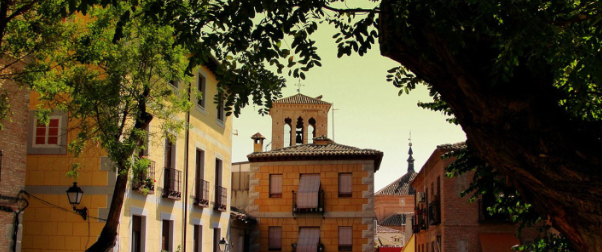

Nestled within the historic city of Toledo, the Jewish Quarter, known as the Judería, is a treasure trove of history, culture, and architectural beauty. This area is not only significant for its historical context but also serves as a poignant reminder of the rich tapestry of cultures that have coexisted in Spain over the centuries.
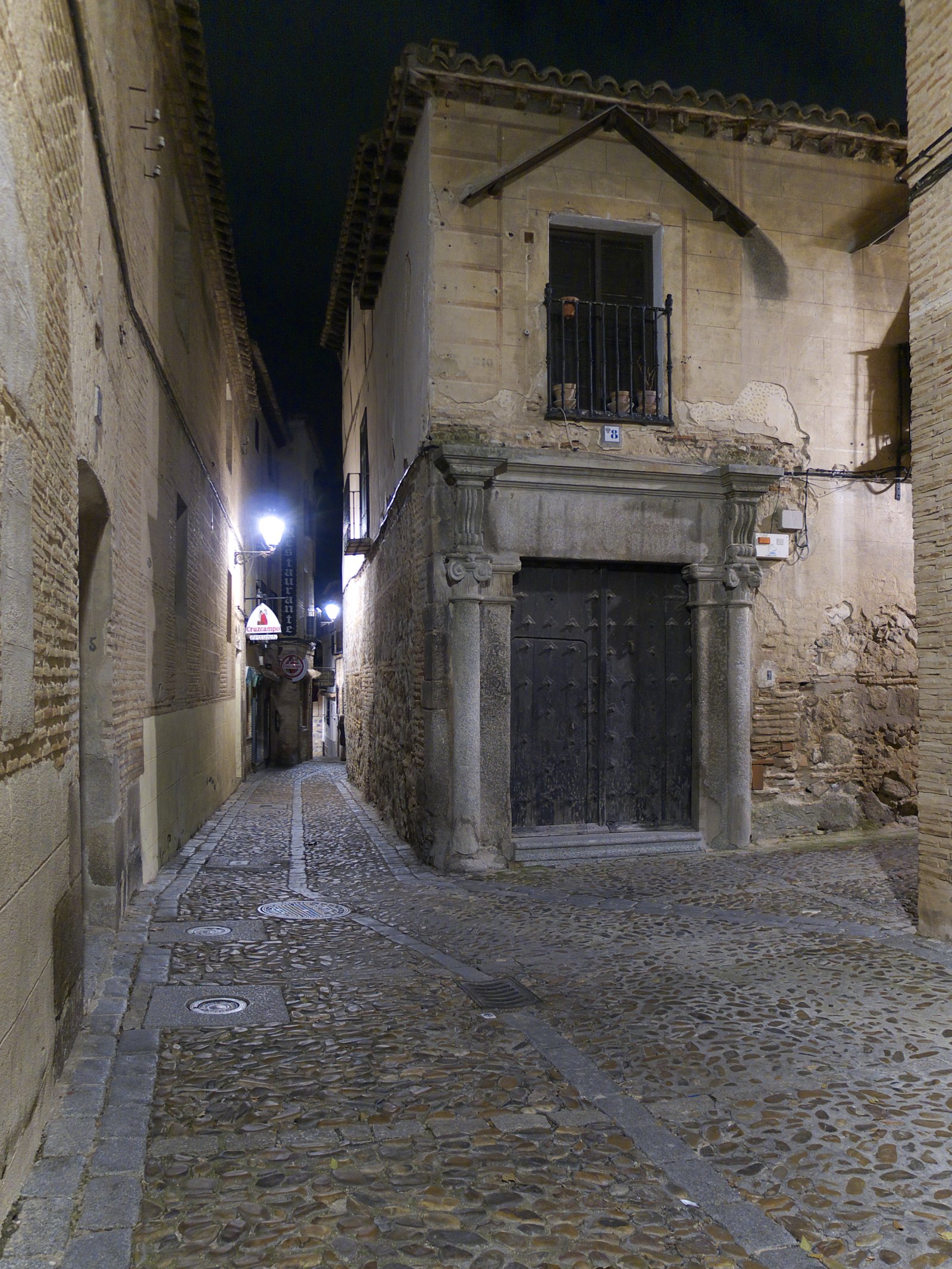
History and Origins The roots of the Jewish Quarter in Toledo can be traced back to the early medieval period, around the 11th century, when Jews began to settle in the city. During the Caliphate of Córdoba, Toledo flourished as a cultural and intellectual hub, attracting scholars and thinkers from diverse backgrounds. The Judería became a vibrant community that thrived under the Reconquista, particularly during the reign of Alfonso VI, who allowed Jews to remain in the city after its conquest in 1085. This period saw the establishment of several synagogues and institutions, including the renowned Escuela de Traductores, which played a crucial role in translating important texts into Latin and Castilian.
The Jewish Quarter faced significant challenges throughout history, particularly during the Spanish Inquisition in the late 15th century, which led to the expulsion of Jews from Spain in 1492. Despite this, the architectural legacy and cultural influence of the Jewish community can still be felt today.
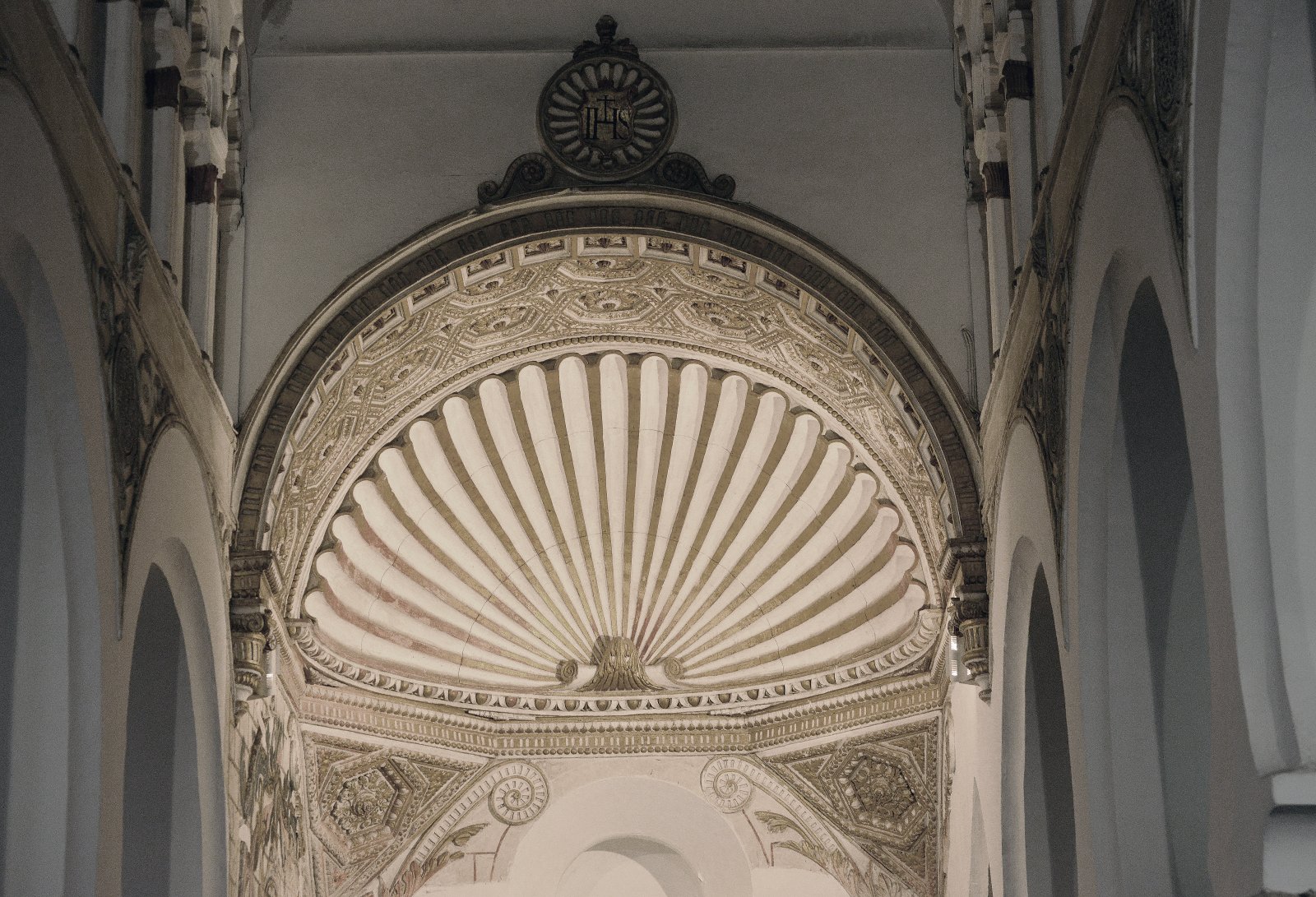
Art and Architecture Toledo's Judería is renowned for its stunning Mudejar architecture, characterized by intricate tilework, horseshoe arches, and wooden ceilings. The most notable structure is the Sinagoga del Tránsito, built in 1366 by wealthy Jewish merchants. This exquisite synagogue now houses the Museo Sefardí, which showcases the rich history of Sephardic Jews through artifacts, exhibits, and art pieces. Visitors will be captivated by the stunning plasterwork and the beautiful Magen David (Star of David) adorning the interior.
Another must-visit site is the Sinagoga de Santa María la Blanca, originally built as a synagogue in the 12th century before being converted into a church. Its whitewashed walls and serene atmosphere offer a glimpse into the architectural blend of Jewish and Christian influences that define Toledo’s historical landscape.
Local Culture and Traditions The cultural significance of the Jewish Quarter extends beyond architecture. Traditional customs, local festivals, and vibrant community life are integral to the area’s charm. Each year, Toledo celebrates La Fiesta de la Judería, a festival that honors the Jewish heritage of the city with music, dance, and traditional Sephardic cuisine. This event allows visitors to experience the warmth and vibrancy of the Jewish community, even centuries after their expulsion.
Gastronomy Food is an essential part of the Judería experience. Toledo is famous for its marzipan, a sweet treat made from almonds and sugar, traditionally associated with Jewish celebrations. The local cuisine also features dishes infused with flavors from both Jewish and Spanish traditions, such as pisto (a ratatouille-like dish) and cordero asado (roast lamb). Wine lovers can explore the local varietals, particularly the Tinta de Toro, which pairs beautifully with traditional meals.
Lesser-Known Curiosities One fascinating story involves the Sinagoga de Santa María la Blanca, which received permission to be built after the king fell in love with a Jewish woman. This tale illustrates the complex interweaving of personal stories with historical events in Toledo. Additionally, many visitors overlook the Calle de los Judíos, a narrow street lined with quaint shops and cafés, offering a glimpse into the everyday life of the past.
Moreover, the Judería is home to several hidden courtyards and gardens, where you can escape the bustling streets and enjoy moments of tranquility amid the echoes of history.
Practical Visitor Information The best time to visit the Jewish Quarter is during the spring and fall when the weather is pleasant, and the streets are less crowded. Early morning or late afternoon are ideal for wandering the winding streets, allowing you to fully absorb the atmosphere.
Don’t miss the opportunity to visit the Museo Sefardí, and be sure to take your time exploring the synagogues, as each holds a unique story and architectural detail. A leisurely stroll through the Judería will reveal hidden gems and local artisans, so keep your camera ready!
To truly appreciate the depth of Toledo's history and culture, consider using the Secret World app to plan a personalized AI itinerary tailored to your interests and preferences.


