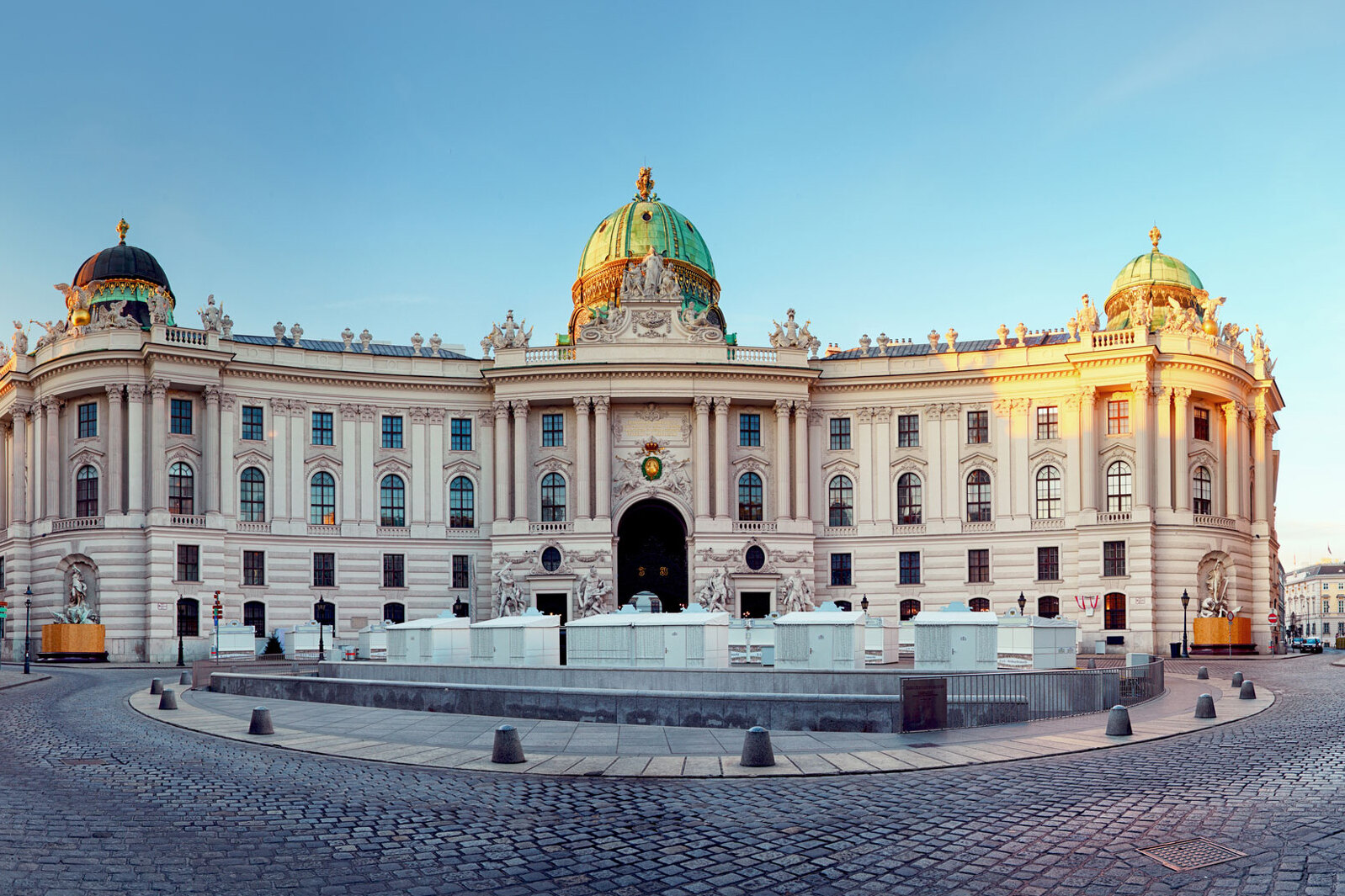

In the heart of Wien, the Hofburg Palace stands as a testament to the grandeur and complexity of Austria’s imperial past. Once the seat of the Habsburg dynasty, this sprawling complex has been central to the evolution of Vienna as a cultural and political powerhouse since the 13th century. As you wander through its halls, you are not merely observing history; you are stepping into the very fabric of European heritage.
### History and Origins
The Hofburg traces its roots back to the 13th century, initially a modest castle that served as a residence for the Habsburgs. Over the centuries, it evolved into an opulent palace, reflecting the wealth and power of one of Europe's most influential dynasties. By the 16th century, the Habsburgs had transformed the Hofburg into a grand palace, making it the focal point of their vast empire.
Key historical events unfolded within these walls, including the signing of treaties and the hosting of significant diplomatic meetings. The palace was not only a royal residence but also the site of critical decisions that shaped Europe. The end of World War I in 1918 marked a significant turning point; the Habsburgs lost their throne, but the Hofburg continued to serve as a vital political hub, currently housing the office of the Austrian president.
### Art and Architecture
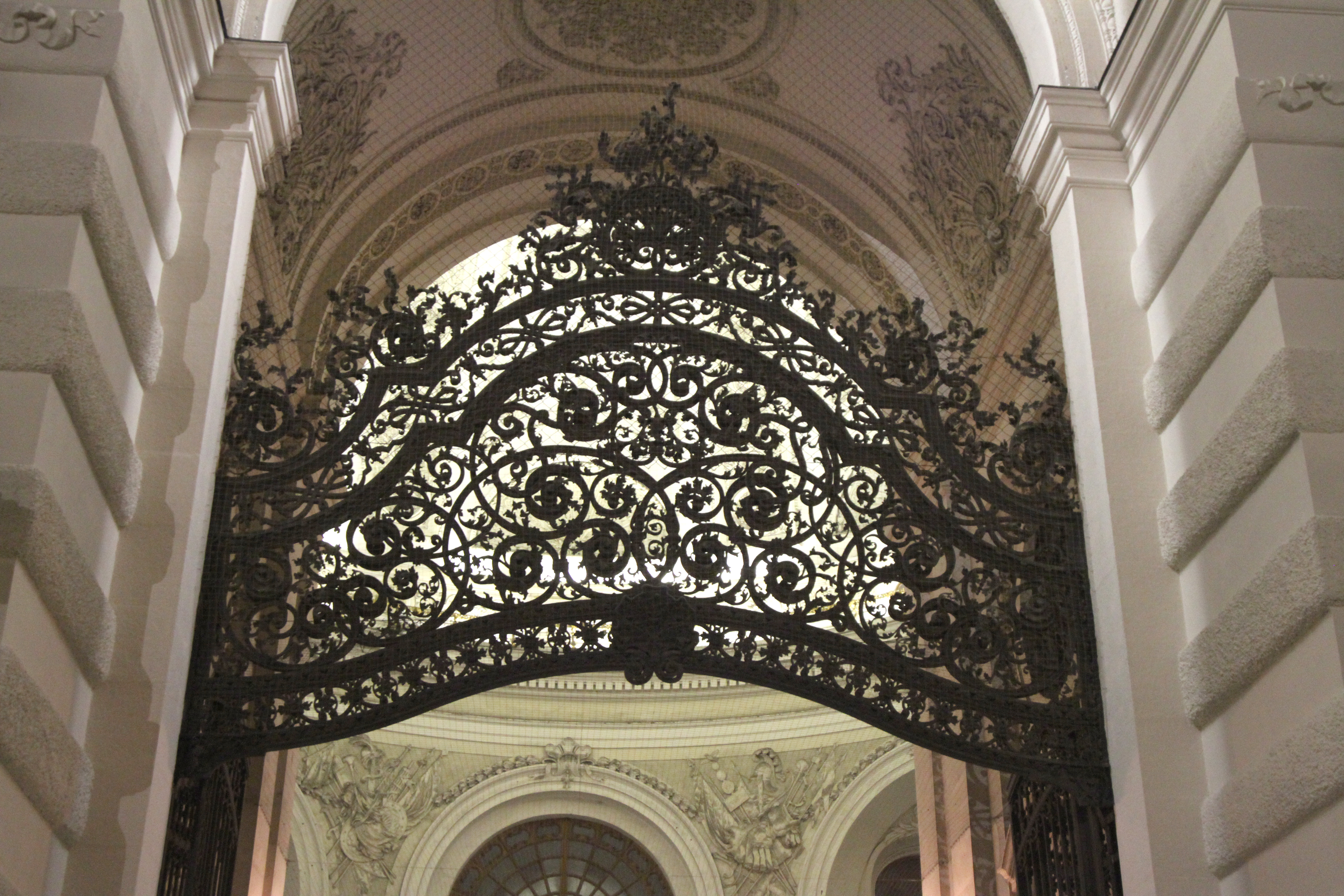
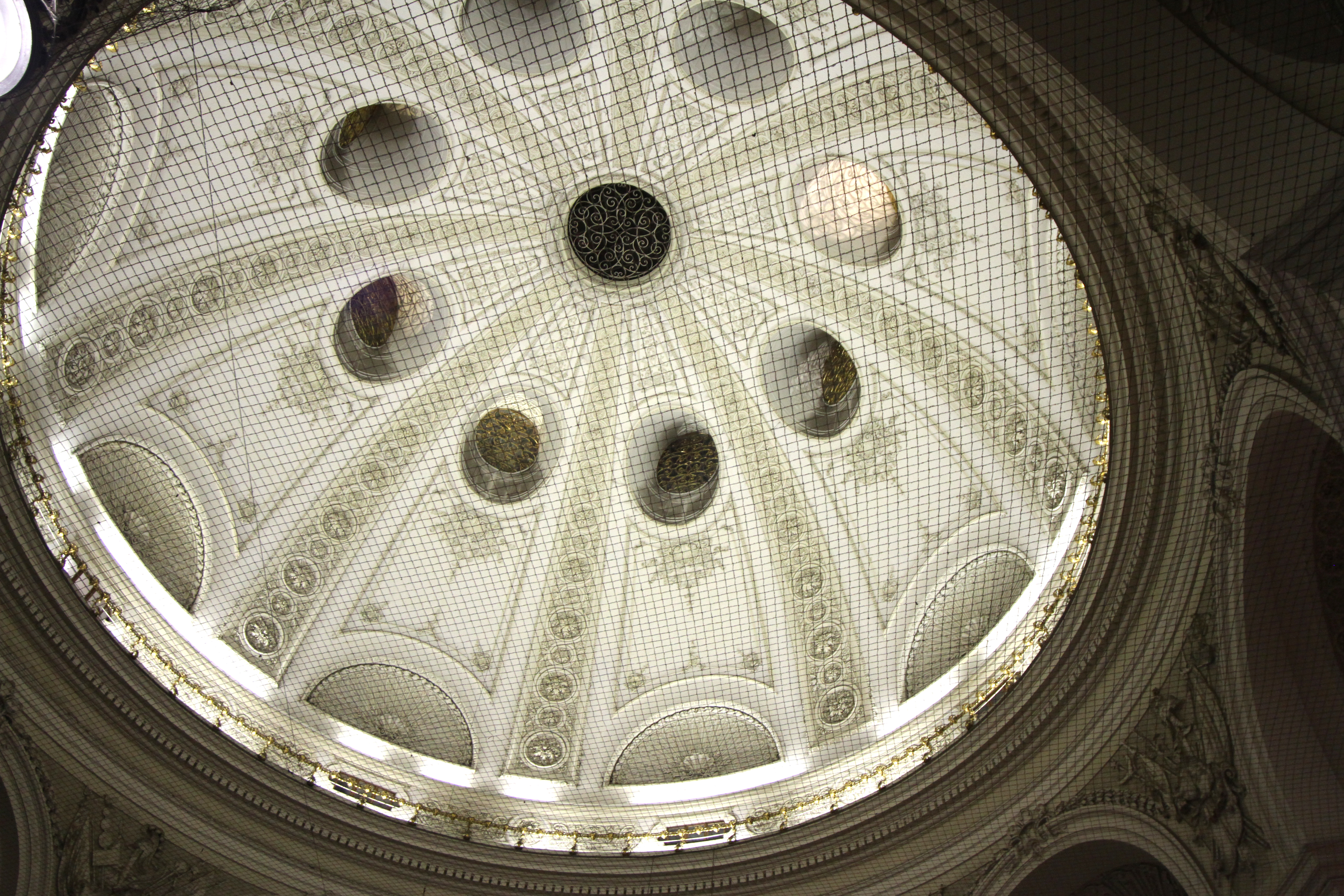
Architecturally, the Hofburg is a stunning amalgamation of styles, reflecting the various eras of its construction. The Baroque splendor of the Imperial Apartments contrasts with the Gothic nuances of the St. Augustine's Church. The Prunksaal (State Hall) of the Austrian National Library is a prime example of Baroque architecture, adorned with frescoes by Daniel Gran and lined with over 200,000 volumes. Visitors often find themselves in awe of its grand ceiling and elaborate shelves, which evoke a sense of scholarly reverence.
Artworks housed within the Hofburg are equally significant. The Schatzkammer (Treasury) displays a collection of imperial regalia and precious artifacts, including the Holy Lance and the Crown Jewels of the Holy Roman Empire. Meanwhile, the Sisi Museum offers an intimate glimpse into the life of Empress Elisabeth, showcasing her personal belongings and iconic portraits that highlight her status as a cultural icon.
### Local Culture and Traditions
The Hofburg is not just a historical monument; it plays an active role in contemporary Viennese culture. It hosts numerous events, including concerts and ceremonies, that celebrate Austria's rich traditions. The Vienna Boys' Choir, one of the oldest boys' choirs in the world, performs regularly in the Burgkapelle, enchanting audiences with their angelic voices.
Cultural festivals also thrive in the vicinity. Each year, the Vienna Festival brings together artists from around the globe, showcasing everything from opera to contemporary dance within the palace grounds. The city's Christmas markets transform the area into a festive wonderland, where locals and visitors alike enjoy traditional mulled wine and festive delicacies.
### Gastronomy
A visit to the Hofburg would be remiss without indulging in Wien’s culinary delights. The imperial heritage is reflected in the local cuisine, particularly in dishes like Wiener Schnitzel, a breaded veal cutlet that is a culinary symbol of the city. Pair it with a glass of Grüner Veltliner, Austria's signature white wine, for an authentic taste of the region.
Don't forget to try Sachertorte, the famed chocolate cake that has its origins in Vienna. Many claim that the best version can be found at the Hotel Sacher, just a short walk from the Hofburg. Each bite of this rich dessert is like tasting a piece of history, deeply woven into the fabric of Viennese culture.
### Lesser-Known Curiosities
Amidst the grandiosity of the Hofburg, there are hidden gems that many tourists overlook. For instance, the Imperial Silver Collection offers a glimpse into the daily lives of the Habsburg family, showcasing exquisite tableware that has graced royal feasts. Additionally, the Spanish Riding School, famous for its Lipizzan stallions, is located within the palace complex, where visitors can catch a performance that marries equestrian skill with artistic expression.
Another fascinating detail is the Hofburg's use of secret passageways, which were essential for the royals to navigate the palace discreetly. Some of these passages are still accessible today, allowing you to imagine the lives of those who once walked these halls.
### Practical Visitor Information
When planning your visit to the Hofburg, the best time to go is during the late spring or early autumn when the weather is mild, and the crowds are manageable. Arrive early to avoid long lines, especially if you wish to explore the Kaiserappartements and the Schatzkammer. Don’t hesitate to purchase a combined ticket that grants access to multiple attractions within the complex.
Be sure to allocate several hours to fully appreciate the richness of each exhibit and the stories they tell. For a uniquely personal experience, consider downloading the Secret World app to create an itinerary that caters to your interests while you explore Wien.