
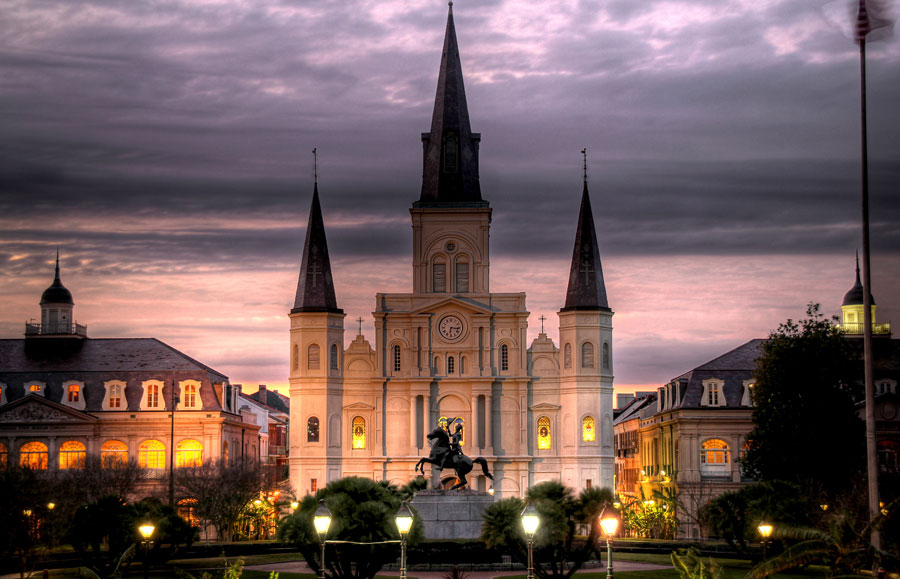

Standing proudly at the heart of New Orleans' French Quarter, the St. Louis Cathedral is more than just a breathtaking architectural gem; it is a living testament to the rich tapestry of history, culture, and faith that defines this vibrant city. With its iconic triple spires piercing the Louisiana sky, the cathedral is a beacon of resilience and spirituality, drawing visitors into its sacred embrace.
The origins of the St. Louis Cathedral date back to 1718 when French settlers established New Orleans. The original church, constructed in 1727 and named after Saint Louis IX of France, met an untimely demise in the Great New Orleans Fire of 1788. Rising from the ashes, the present structure was completed in 1850 under the design of architect J. N. B. de Pouilly, and has the distinction of being the oldest continuously active Roman Catholic cathedral in the United States. The cathedral has witnessed pivotal moments in American history, from the Louisiana Purchase to the Civil War, serving as a silent witness to the evolution of a nation.
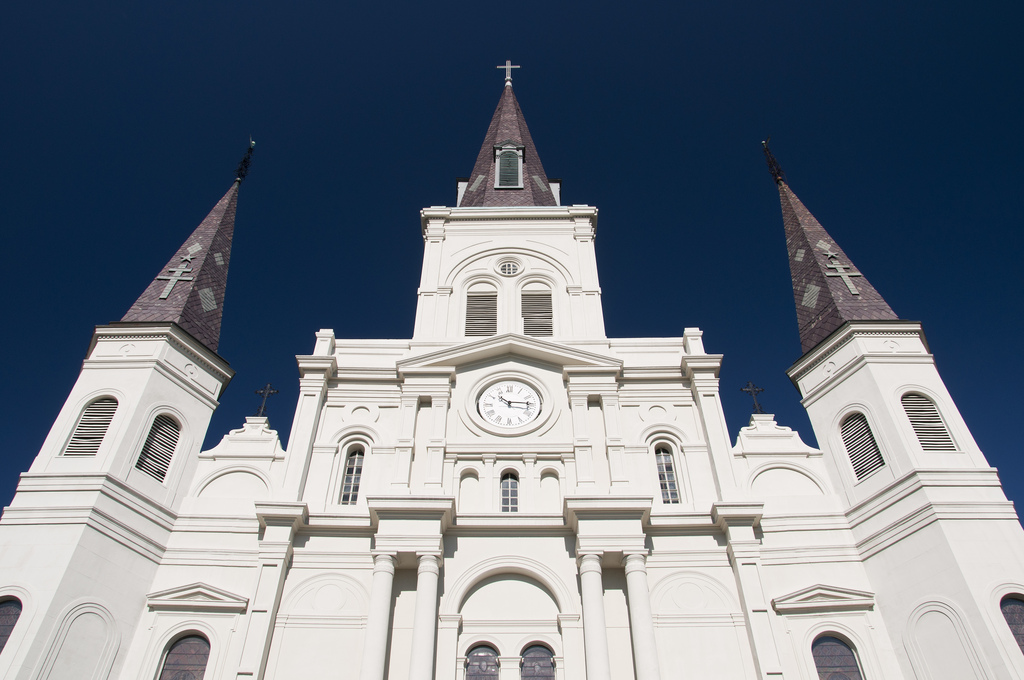
Architecturally, the St. Louis Cathedral is a masterpiece that marries French Gothic and Spanish Colonial styles with a touch of American innovation. Its façade, dominated by soaring spires and a grand central clock, exudes an air of majesty and solemnity. Inside, the cathedral boasts an array of stunning stained glass windows that narrate biblical stories and historical events. The altar, a gift from King Louis XVIII, stands as a testament to the close ties between New Orleans and its French heritage. Murals by local artist Ernst Gebauer add layers of artistic significance, depicting scenes from the life of Saint Louis.
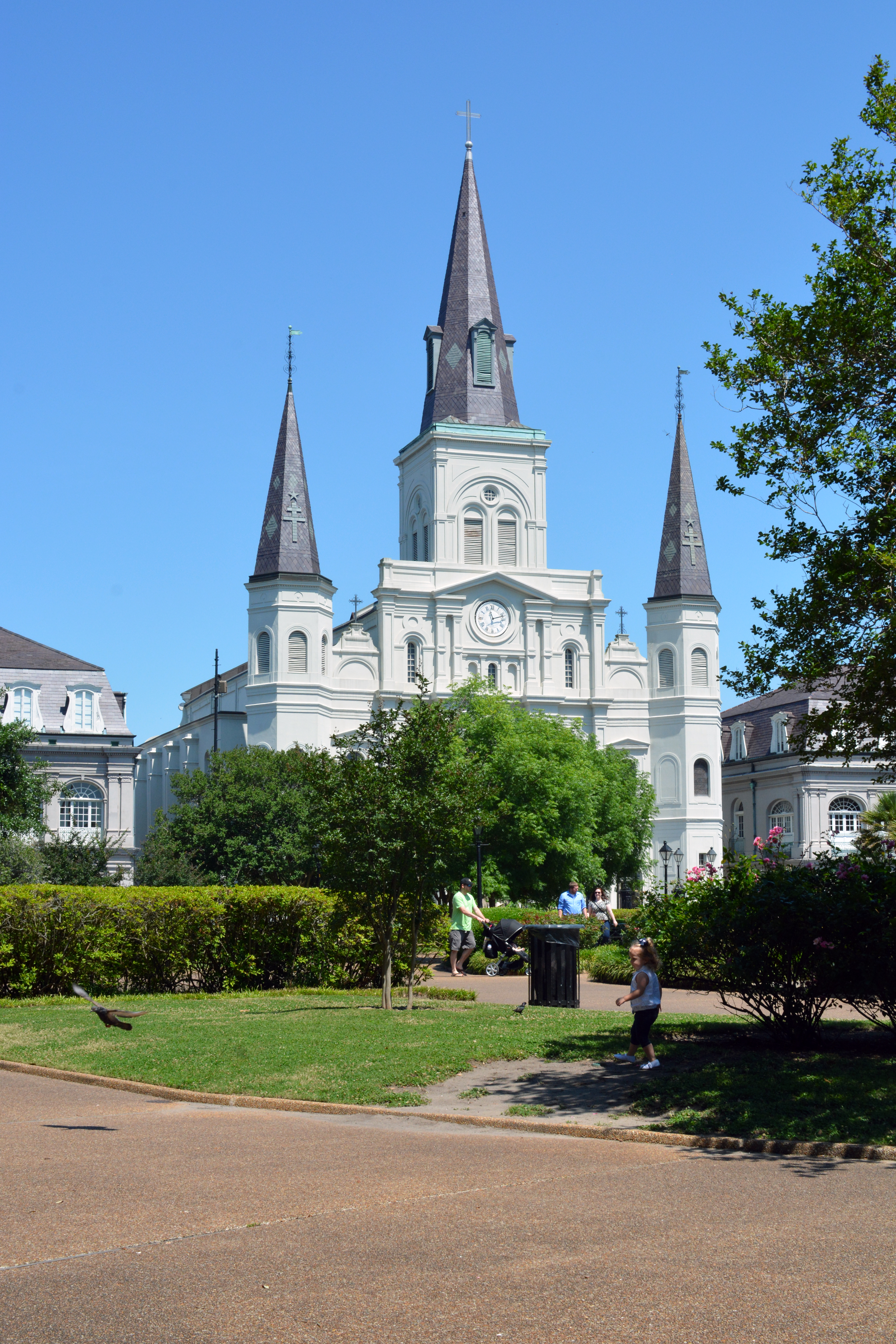
The cathedral is not just a place of worship; it is a cultural cornerstone. It plays a central role in local traditions, particularly during the Mardi Gras season, where it serves as a backdrop for the festivities that engulf the city. The cathedral also hosts the annual Christmas Eve Midnight Mass, drawing large crowds who gather to experience the spiritual and communal ties that bind the New Orleans community.
New Orleans is a city renowned for its culinary delights, and the French Quarter is no exception. Visitors to the St. Louis Cathedral can indulge in local delicacies that reflect the region's Creole and Cajun influences. A stroll through the nearby streets offers a chance to savor classics like beignets at Café du Monde, gumbo rich with seafood and spices, and the ubiquitous po' boy sandwiches. Each dish carries the unique flavors and stories of the city, offering a feast for both the palate and the soul.
Beyond its more famous attributes, the cathedral holds several lesser-known curiosities. One such hidden gem is the Père Antoine Alley, a picturesque passageway adjacent to the cathedral, named after the beloved Capuchin friar known for his dedication to the city's poor. Another intriguing detail is the presence of a plaque commemorating the visit of Pope John Paul II in 1987, a momentous occasion that underscored the cathedral's global religious significance.
For those planning a visit, the best time to experience the St. Louis Cathedral is in the early morning or late afternoon when the light casts a magical glow upon its façade. Inside, take a moment to appreciate the tranquil beauty of the Stations of the Cross and the intricate carvings of the wooden pulpit. Admission to the cathedral is free, but donations are appreciated to support its maintenance and preservation.
As you stand before the St. Louis Cathedral, let its walls whisper stories of the past and its spirit imbue you with a sense of reverence for the enduring legacy of New Orleans. Whether you are drawn by faith, history, art, or simply the allure of discovery, the cathedral offers a profound and moving experience that transcends time.


