
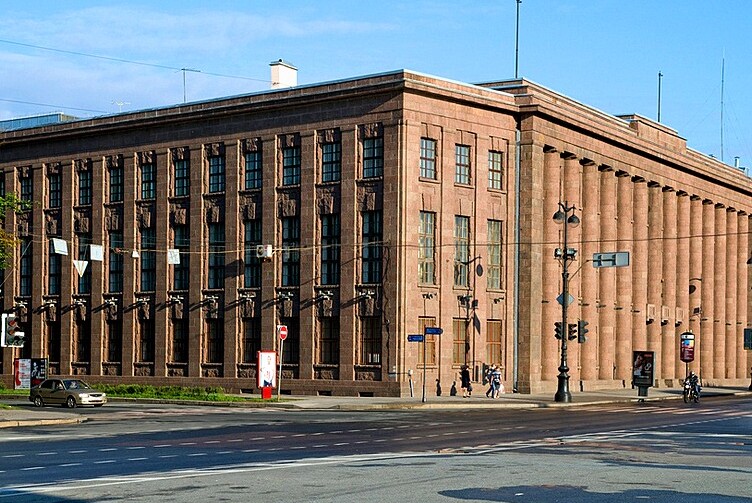

The German Embassy Building in Sankt-Peterburg stands as a testament to the city’s rich architectural heritage and its complex historical narrative. Constructed in the early 20th century, this structure reflects the ambitions of a bygone era, encapsulating the cultural interplay between Germany and Russia.
The origins of the German Embassy can be traced back to the 18th century, when the first mansion was established in 1873, serving as the residence for the German Emperor's representative. The need for a new building arose due to the changing political landscape and the desire for a more modern representation. In 1911, famed architect Peter Behrens was commissioned to design a replacement that would resonate with the burgeoning modernist movement. Known as the father of German modernist architecture, Behrens sought to create a structure that was both imposing and functional, a vision that would stir controversy among the local populace.
The building’s architectural style is a striking example of modernism fused with classical elements. Behrens’ design features a monolithic facade of red granite, which conveys strength and permanence. The thick columns, often humorously likened to Bavarian sausages, lend a playful yet robust character to the building. Crowning the structure is a sculptural group depicting Castor and Pollux, which was met with mixed reactions from the public—some saw it as a nod to classical mythology, while others viewed it as an awkward representation of masculinity. This architectural boldness not only anticipated the grand state buildings of the era, such as those constructed under Stalin, but also reflected a period of intense artistic experimentation.
Local culture is deeply intertwined with the customs and traditions of Sankt-Peterburg. The city is known for its vibrant festivals, such as the White Nights Festival, which celebrates the summer solstice with music, dance, and art. The German Embassy plays a role in fostering cultural exchanges, hosting events that showcase German art and culture while also embracing Russian traditions. Visitors can often find themselves immersed in a blend of classical music, contemporary art exhibits, and culinary experiences that celebrate this unique partnership.
Speaking of culinary experiences, the gastronomic scene around the German Embassy offers a delightful exploration of both German and Russian cuisines. Sankt-Peterburg is known for its hearty dishes, and nearby eateries often feature staples such as borscht, a rich beet soup, and pelmeni, Russian dumplings. For a touch of German influence, one might indulge in a classic Sauerbraten (pot roast) or Bratwurst, best paired with a local Kvass or a refreshing German beer. Each meal tells a story of cultural convergence, where flavors from both countries meld to create a unique dining experience.
Among the lesser-known curiosities of the German Embassy Building is its role during significant historical events, such as the October Revolution of 1917. The building, while serving diplomatic purposes, became a focal point of political intrigue. Its austere facade witnessed discussions and negotiations that shaped the future of both Germany and Russia. Additionally, the building's design elements, once criticized, have since gained recognition as pioneering works in modernist architecture, inspiring future generations of architects.
For travelers wishing to experience the German Embassy and its surrounding area, the best time to visit Sankt-Peterburg is during the summer months, particularly from late May to early July, when the city enjoys the phenomenon of the White Nights. This period allows for extended exploration, with daylight stretching late into the evening, perfect for wandering the canals and historic streets. When visiting the embassy, take a moment to admire the intricate details of its facade and the striking contrasts of light and shadow that play across its surfaces throughout the day.
To fully appreciate the rich tapestry of history, art, and culture that Sankt-Peterburg offers, consider planning your visit with the Secret World app for a personalized itinerary that uncovers the city’s hidden gems.


