
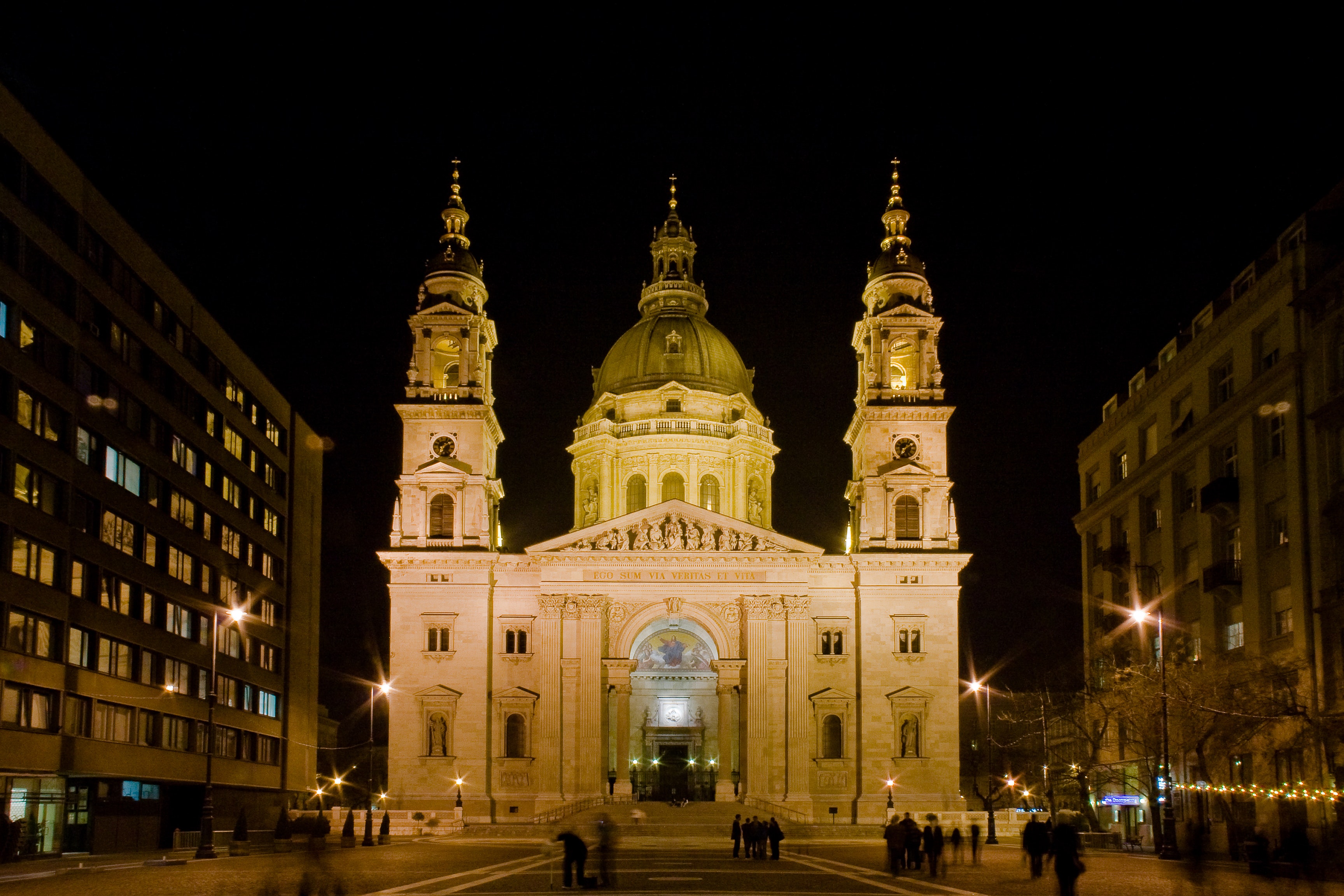

Standing proudly at 96 meters, St Stephen’s Basilica is a monumental symbol of Budapest, embodying the rich tapestry of Hungarian history, art, and culture. Constructed between 1851 and 1905, this Roman Catholic basilica is dedicated to King Stephen I, the founder of the Hungarian state. Its neoclassical architecture, designed by Miklós Ybl, features stunning elements such as its magnificent dome, intricately decorated interiors, and the remarkable Holy Right Hand relic of St Stephen himself, housed in a glass case for all to see.
The basilica has been a witness to countless key historical moments, including its resilience during World War II. The building suffered damage during the war, leading to a significant restoration project that underscored its cultural importance to the nation. Today, it remains a central place of worship as well as a popular tourist destination, drawing thousands of visitors annually who come to admire its grandeur.
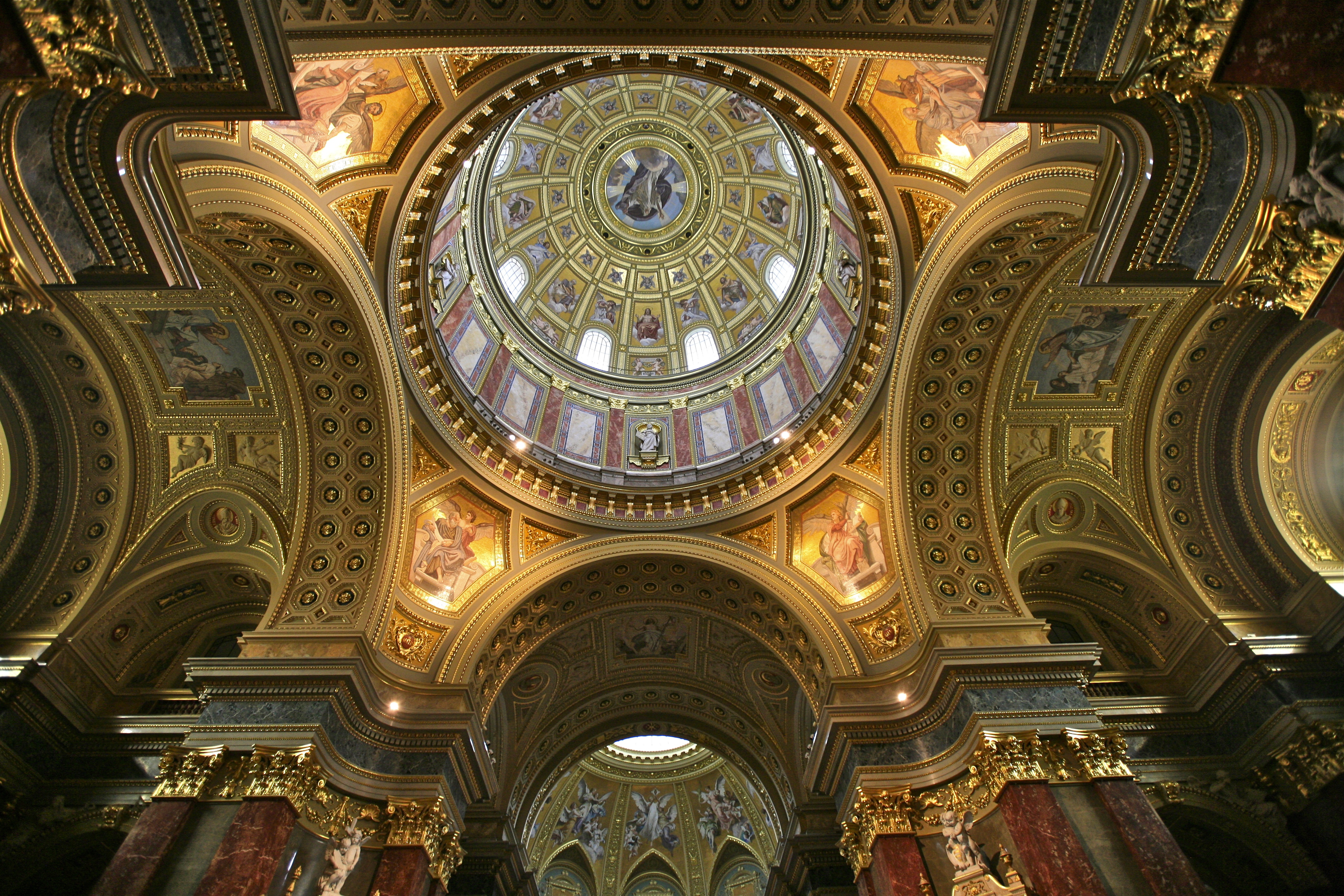
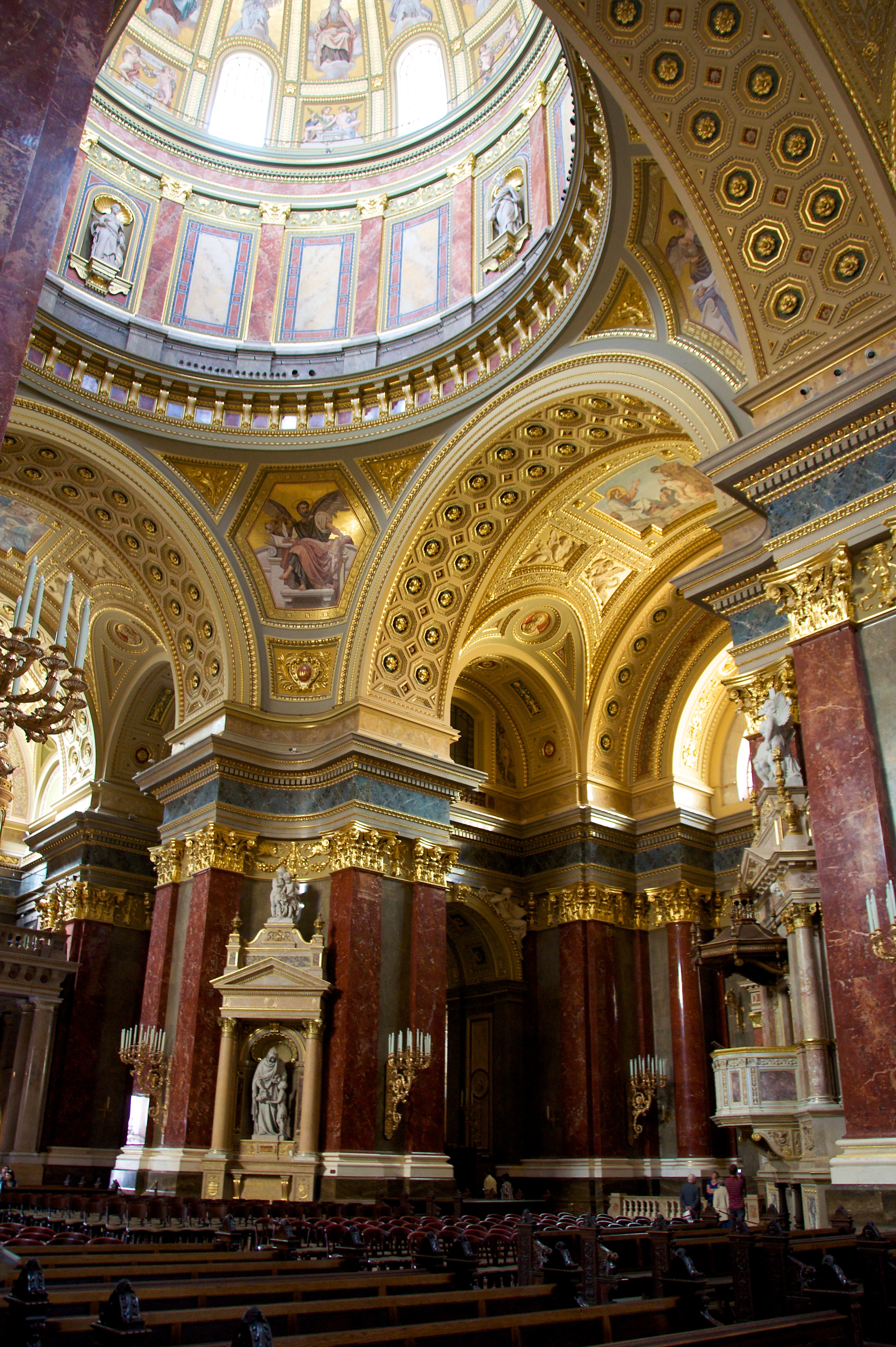
Art enthusiasts will find much to admire within the walls of St Stephen's Basilica. The interior showcases a blend of neoclassical and baroque styles, adorned with detailed frescoes, beautiful mosaics, and stunning marble altars. Among its artistic highlights is the Heinrichs Chapel, which features a breathtaking painting of the Assumption of the Virgin Mary. The basilica's dome, which is among the tallest in Hungary, provides visitors with a panoramic view of the city from its observation deck, offering a breathtaking perspective of Budapest.
Culturally, St Stephen's Basilica plays a vital role in local traditions and customs. The basilica hosts various religious festivals throughout the year, including the Feast of St Stephen, celebrated on August 20th, which marks the foundation of the Hungarian state and is a day filled with parades, fireworks, and communal gatherings. Visitors can also experience the Concerts in the Basilica, which feature classical music performances, enriching the spiritual atmosphere with melodious harmonies that echo through the ornate halls.
No visit to the basilica would be complete without indulging in the local gastronomy that surrounds it. Traditional Hungarian dishes can be found in the nearby cafes and restaurants. Be sure to try gulyás (goulash), a hearty meat soup seasoned with paprika, and langos, a deep-fried flatbread often served with garlic, cheese, and sour cream. Pair your meal with a glass of Tokaji wine, a sweet dessert wine that reflects the unique flavors of the region, making for a delightful culinary experience.
While many tourists flock to the main attractions, there are lesser-known curiosities about St Stephen's Basilica that add to its charm. For instance, the dome is not only an architectural marvel but also houses a unique acoustic phenomenon; whispers made at one end can be heard clearly at the opposite side. Additionally, the basilica's exterior is adorned with ceramic tiles that glisten in the sunlight, creating a mesmerizing effect that often goes unnoticed.
For those planning a visit, the best time to explore St Stephen’s Basilica is during the late spring and early autumn months (May to September), when the weather is pleasantly warm and conducive to sightseeing. Arriving early in the morning or later in the afternoon can help avoid the crowds, allowing you to appreciate the tranquil atmosphere of the basilica. Don’t forget to look for the Holy Right Hand relic, as it is considered a significant part of Hungarian heritage.
In conclusion, St Stephen’s Basilica is not just a stunning architectural achievement but a vibrant part of the cultural and spiritual life of Budapest. Its history, art, and local traditions intertwine to create a rich tapestry that speaks to both locals and visitors alike. To make the most of your time in this remarkable city, consider using the Secret World app to plan a personalized itinerary that will guide you through the wonders of Budapest.


