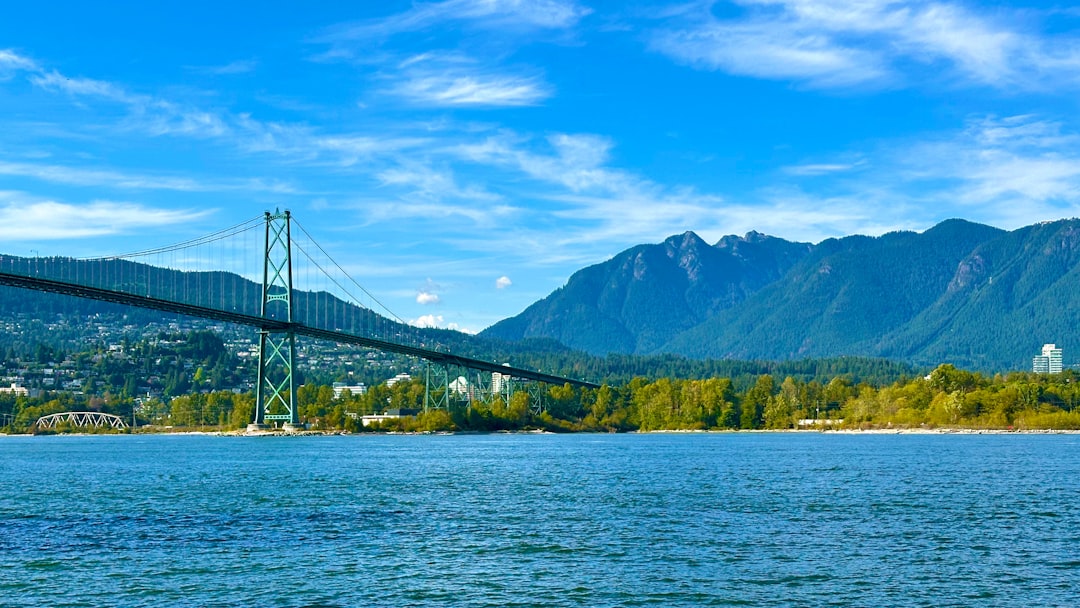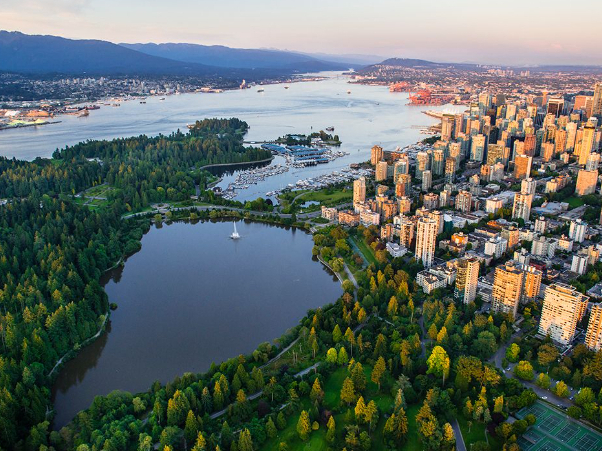

Nestled against the backdrop of the stunning North Shore Mountains, Stanley Park is a verdant oasis that invites both locals and visitors to explore its lush pathways and breathtaking vistas. As the largest park in Vancouver, it spans 400 hectares and is a beloved sanctuary that combines natural beauty with rich history, art, and culture.
### History and Origins
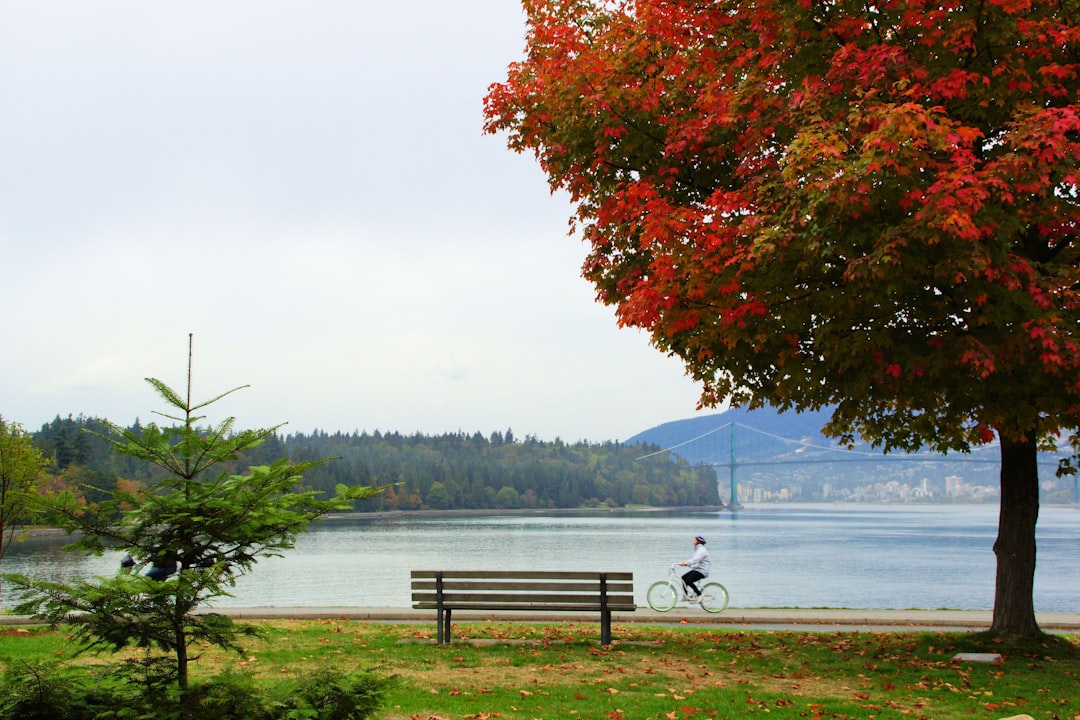
The history of Stanley Park is steeped in the rich tapestry of Indigenous culture. Long before European settlers arrived, the Musqueam, Squamish, and Tsleil-Waututh peoples thrived in the area, utilizing its resources and teaching generations about the land. The park's name pays homage to Lord Stanley of Preston, the Governor General of Canada, who officially designated the land as a public park in 1888. In the decades that followed, the park underwent significant development, including the construction of its iconic Seawall, which began in 1917 and has since become a favorite destination for walkers, joggers, and cyclists.
Over the years, Stanley Park has witnessed pivotal events, such as the Great Vancouver Fire of 1886, which devastated much of the city but left the park largely untouched. This fortuitous preservation allowed for the flourishing of its natural landscapes and the creation of various attractions, including the Vancouver Aquarium, established in 1956, and the Lost Lagoon, a scenic entry point into the park.
### Art and Architecture
Stanley Park is not only a natural marvel but also a canvas for artistic expression. The park features numerous totem poles at Brockton Point, which are among the most visited attractions in British Columbia. These striking wooden sculptures represent the artistry of Indigenous peoples and their rich traditions, showcasing unique tribal stories and cultural heritage.
Architectural highlights within the park include the Stanley Park Pavilion, a charming heritage building that dates back to 1913. This venue offers a glimpse into the early 20th-century design ethos, featuring beautifully manicured gardens and a lovely restaurant that serves local cuisine. The Seawall, designed in a curvilinear style, is another architectural accomplishment that seamlessly integrates the park’s natural contours with urban life, allowing for stunning views of the ocean and city skyline.
### Local Culture and Traditions
Stanley Park is a cultural hub that hosts various festivals and events throughout the year. One of the most popular is the Stanley Park Halloween Ghost Train, where families can enjoy a spooky ride through the park's forested paths, complete with themed decorations and storytelling. The park also serves as a venue for the Vancouver International Film Festival and outdoor concerts during the summer months, celebrating the city's vibrant arts scene.
The park's lush landscapes and tranquil spaces have made it a favored spot for yoga classes, cultural gatherings, and community picnics. The annual Vancouver Cherry Blossom Festival celebrates the blooming of cherry trees, many of which can be found in Stanley Park, creating a picturesque setting that draws thousands each spring.
### Gastronomy
Visitors to Stanley Park will find a delightful array of dining options. The Stanley Park Pavilion serves seasonal dishes that highlight local ingredients, making it a perfect spot for a meal after a day of exploring. The Teahouse and Prospect Point Café also provide scenic dining experiences, offering views of the surrounding mountains and ocean.
Traditional Canadian cuisine can be experienced at nearby establishments, where dishes like poutine and bannock (a type of flatbread) can be enjoyed. For those looking to indulge in something sweet, don’t miss the chance to try locally made maple syrup treats or butter tarts, which are staples in Canadian gastronomy.
### Lesser-Known Curiosities
While many visitors flock to the more famous spots within Stanley Park, there are hidden gems waiting to be discovered. One such curiosity is the Lost Lagoon, home to various bird species, including swans and ducks, making it a delightful spot for birdwatching. Additionally, the Miniature Train offers themed rides throughout the year, including a magical winter wonderland during the holiday season.
Another fascinating detail is the Hollow Tree, a giant Western Red Cedar that has become a symbol of the park. This tree, estimated to be over 1,000 years old, once stood tall in the forest before being hollowed out by fire and rot. Today, it serves as a poignant reminder of the area's natural history.
### Practical Visitor Information
The best time to visit Stanley Park is during the spring and summer months when the flora is in full bloom, and outdoor activities abound. Early mornings or late afternoons are ideal for avoiding crowds while enjoying serene walks along the Seawall.
For an immersive experience, consider renting a bike or rollerblades to explore the park’s extensive trail network. Don’t forget to bring a camera; the views of the Vancouver skyline and mountains are breathtaking, especially during sunset.
For a unique and personalized way to navigate your visit to Vancouver, consider planning your itinerary with the Secret World app to ensure you don’t miss any of the city’s hidden treasures.