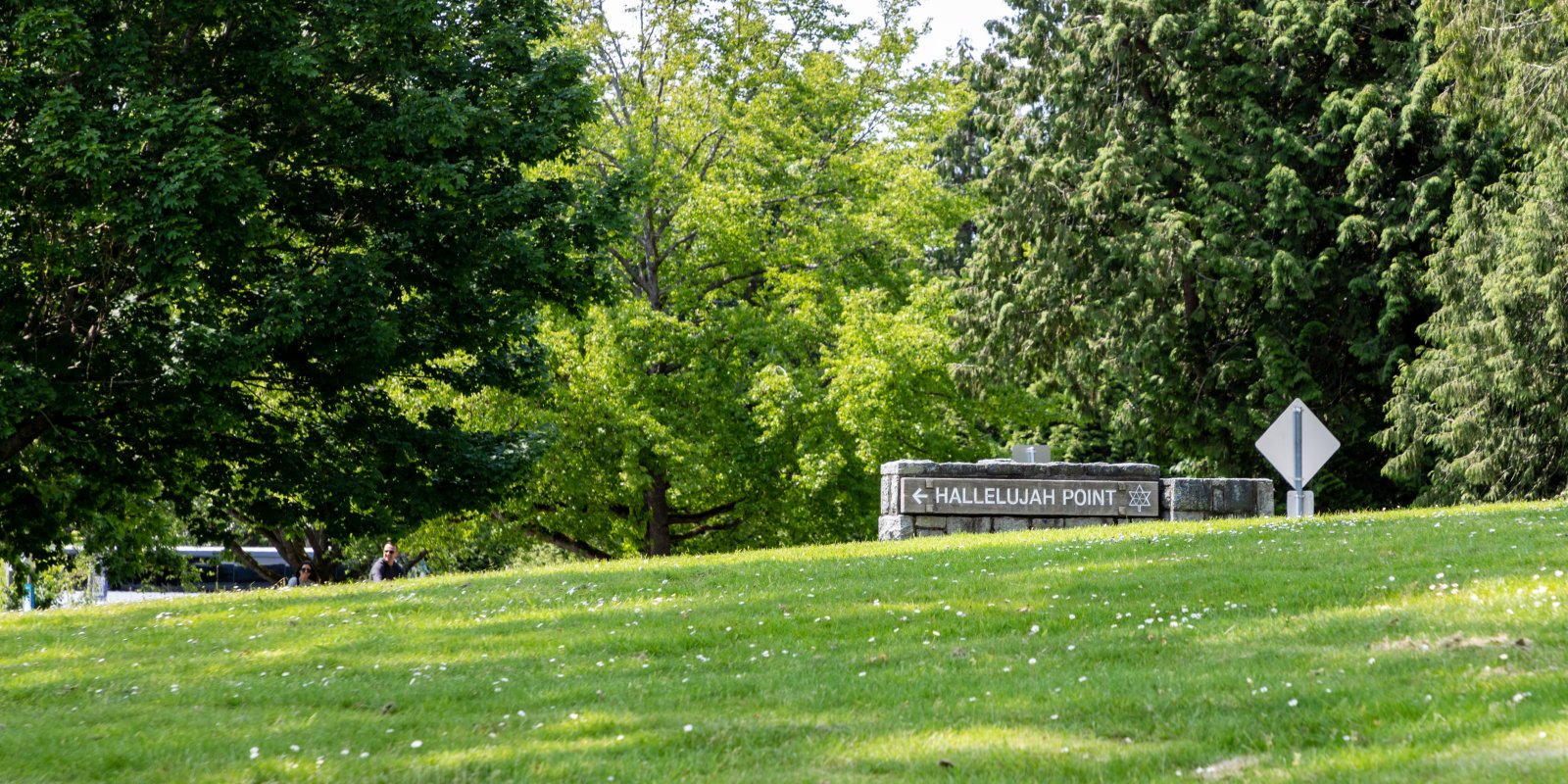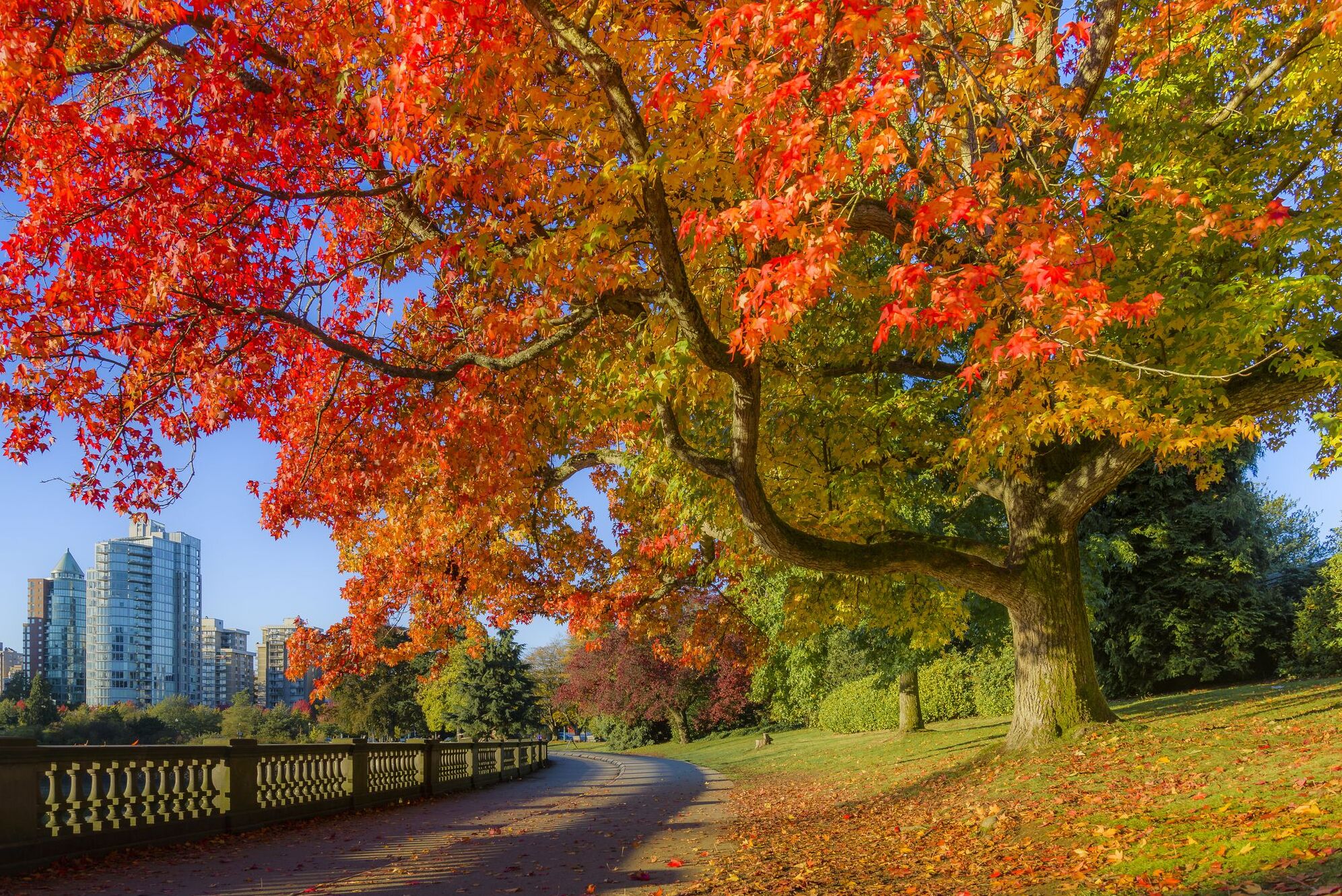

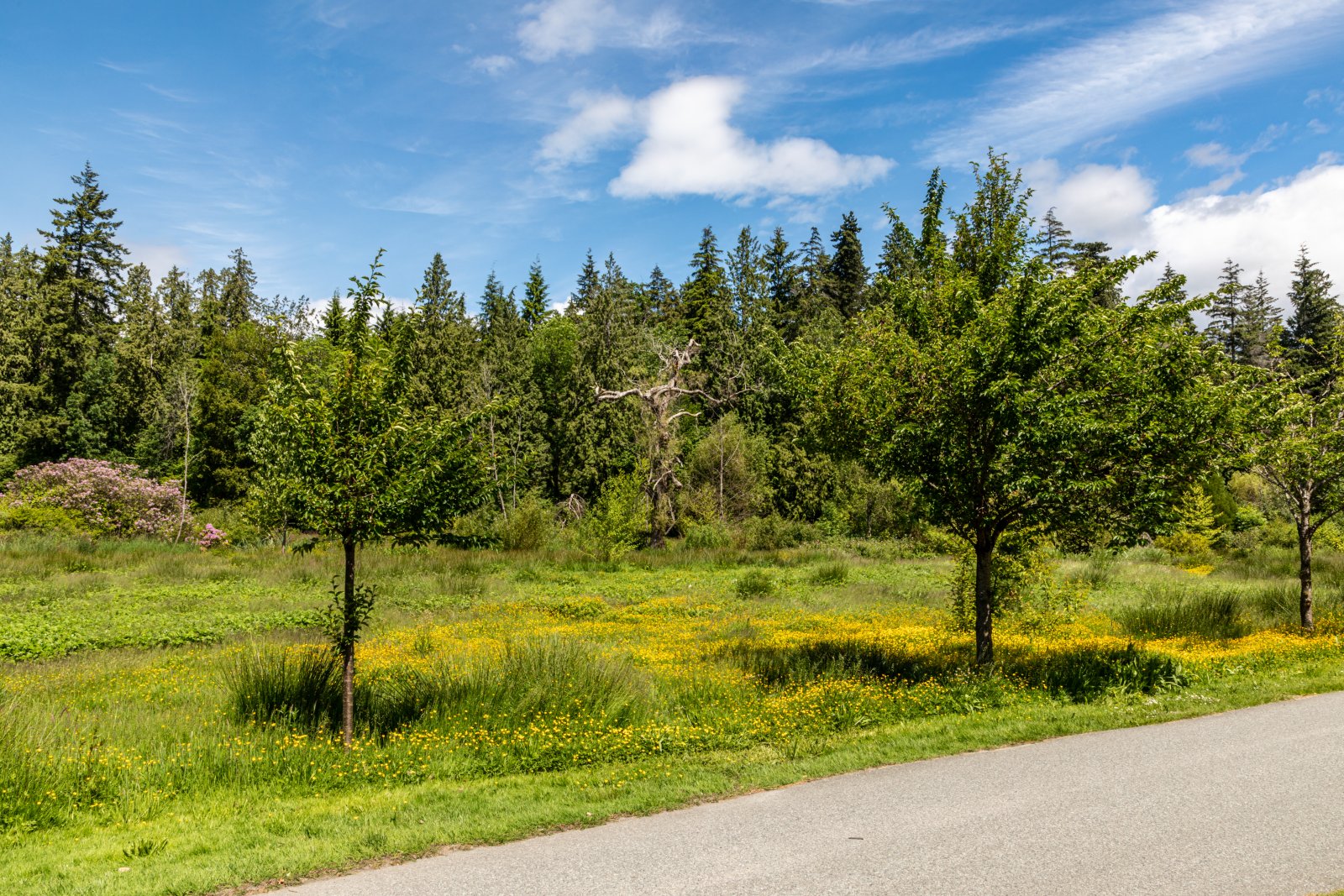
Nestled in the heart of Vancouver, Stanley Park is more than just a lush retreat; it’s a living testament to the city’s rich history, vibrant culture, and commitment to conservation. This 1,000-acre park, surrounded on three sides by water, boasts breathtaking views of the North Shore Mountains and the Vancouver skyline. The park is renowned for its 10-km seawall, a popular loop that invites both locals and visitors to bask in its natural beauty while enjoying various outdoor activities.
### History and Origins The area now known as Stanley Park has been a site of human habitation for millennia. The Musqueam, Squamish, and Tsleil-Waututh peoples have called this land home long before European contact, relying on its rich resources for sustenance and cultural practices. In 1886, the park was officially established when the city of Vancouver was incorporated, and it was named after Lord Stanley, the Governor-General of Canada at the time. Despite its beauty, the park's history is complex; many Indigenous peoples were displaced in the 20th century as newcomers settled in the region, making it crucial to acknowledge its ongoing cultural significance today.
### Art and Architecture Stanley Park is not only a natural wonder but also an artistic hub. The park is home to numerous public artworks and sculptures that reflect both its history and the surrounding culture. One of the most notable installations is the A-Maze-Ing Laughter, a series of playful, oversized bronze sculptures by Yuan Zhang that invite interaction and joy. The Vancouver Aquarium, situated within the park, is another architectural gem, showcasing marine life and promoting ocean conservation. Its sleek design harmonizes with the surrounding landscape, making it a must-visit for anyone interested in marine biology or environmental sustainability.
### Local Culture and Traditions Stanley Park plays a pivotal role in the cultural life of Vancouver. Throughout the year, various festivals and events take place within its bounds, including the Stanley Park Halloween Ghost Train, which transforms into a spooky wonderland each October. Additionally, the park hosts the Vancouver International Film Festival, which often screens films against the backdrop of the stunning natural environment. Locals frequently engage in traditional practices, such as gathering for potlucks and community events, reinforcing a sense of belonging and appreciation for this cherished space.
### Gastronomy The culinary scene around Stanley Park reflects the city’s diverse heritage. While the park itself is primarily a natural retreat, nearby eateries offer a taste of local flavors. Fish and chips are a classic choice, with many restaurants emphasizing sustainable seafood sourced from the Pacific. Don’t miss the opportunity to try Pacific Northwest cuisine at local bistros, where you can savor dishes made with fresh, locally sourced ingredients, including wild salmon, foraged mushrooms, and seasonal produce. Pair your meal with a locally brewed craft beer or a glass of wine from the nearby Okanagan Valley, renowned for its vineyards.
### Lesser-Known Curiosities Venture beyond the popular trails, and you’ll uncover hidden treasures within Stanley Park. For instance, the Lost Lagoon is a tranquil spot teeming with wildlife, where you might encounter swans gliding gracefully across the water. Another hidden gem is the Beaver Lake, a serene escape from the bustling park pathways, perfect for quiet reflection. Additionally, the park is home to one of the last remaining stands of old-growth forest, a testament to the ecological importance of this area and a reminder of what the region once looked like.
### Practical Visitor Information The best time to explore Stanley Park is during the summer months, from June to September, when the weather is warm and the flora is in full bloom. However, if you prefer fewer crowds, consider visiting in the spring or early fall. To fully immerse yourself in the experience, rent a bike or walk the seawall loop, taking in the stunning views of English Bay and the mountains. Don’t forget to visit the Totem Poles at Brockton Point, a culturally significant site that showcases Indigenous art and heritage.
With its rich history, diverse culture, and stunning natural beauty, Stanley Park is truly a gem in Vancouver's crown. Whether you’re seeking adventure, tranquility, or a deeper understanding of the land’s heritage, this expansive park offers something for everyone. To enhance your visit and discover more hidden gems, consider using the Secret World app to create a personalized itinerary tailored to your interests.