
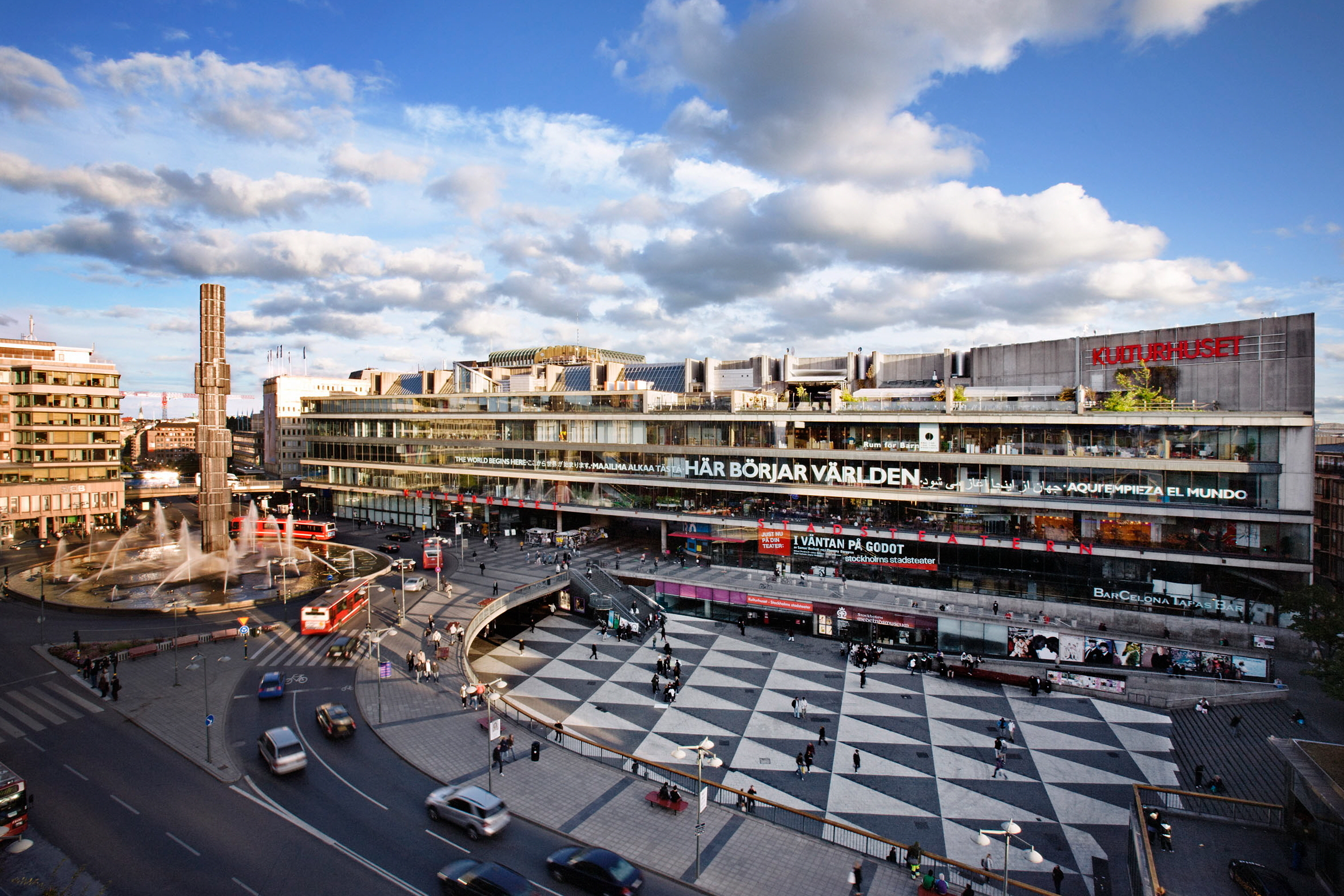

In the heart of Stockholm, Kulturhuset, or the House of Culture, stands as a beacon of creativity and cultural engagement. This iconic building, inaugurated in 1974, was designed by the visionary architect Peter Celsing and has since become a hub for art, performance, and community activities. The architectural style is a striking blend of modernism and functionality, featuring an open, inviting facade that encourages public interaction. Its design is often compared to the Centre Pompidou in Paris, with its emphasis on accessibility and artistic expression.

The historical journey of Kulturhuset is rooted deeply in the cultural evolution of Sweden. Originally conceived as a space for democratic expression and cultural dissemination, it has evolved alongside the city itself, adapting to the changing needs of its citizens. The building hosts a plethora of events throughout the year, from contemporary art exhibitions to literary readings, making it a vital part of Stockholm's cultural landscape.
Inside, visitors can explore a diverse array of art exhibitions and installations that showcase both Swedish and international artists. The contemporary art scene is particularly vibrant here, with works ranging from photography to innovative sculptures. The House of Culture is not just a gallery; it’s a living space where creativity flourishes, and public engagement is encouraged. Notable works have included pieces by acclaimed artists like Marina Abramović and Yoko Ono, who have both contributed to the rich tapestry of artistic dialogue within its walls.

Culturally, Kulturhuset embodies the spirit of Stockholm. The building hosts numerous festivals, including the Stockholm Culture Festival, which draws artists and performers from around the globe to celebrate art in all its forms. This event, held every August, is a testament to the city’s dedication to cultural inclusivity and diversity. Each year, thousands flock to the events, partaking in performances, workshops, and exhibitions that reflect both local and global cultural narratives.
When it comes to gastronomy, a visit to Kulturhuset wouldn’t be complete without sampling some local delicacies. The onsite café and restaurant offer a selection of traditional Swedish dishes, including meatballs, served with creamy lingonberry sauce, and herring prepared in various styles. For a sweet treat, try the kanelbullar, or cinnamon bun, a favorite among locals. Pair your meal with a cup of strong Swedish coffee for a truly authentic experience.
For those who think they know everything about Kulturhuset, there are hidden gems that often go unnoticed. One curious detail is the building’s remarkable library—a sanctuary for book lovers and a space for quiet reflection. It holds an impressive collection of literature, including works in multiple languages, reflecting Stockholm's multicultural community. Additionally, there’s a fascinating urban space adjacent to the building, where city-goers can enjoy open-air concerts and art installations, enhancing the connection between the arts and the urban environment.
The best time to visit Kulturhuset is during the summer months, when outdoor events and activities are in full swing. However, the winter months offer a cozy atmosphere, perfect for enjoying indoor exhibitions and performances. Booking in advance for specific events is advisable, as many are popular and can fill up quickly.
In summary, Kulturhuset is more than just a cultural institution; it’s a vibrant meeting place that celebrates the arts and the community spirit of Stockholm. Whether you’re drawn by the exhibitions, performances, or the simply inviting atmosphere, a visit here promises a rich experience.
For an even more personalized journey through Stockholm's cultural landscape, consider using the Secret World app to plan your itinerary.


