



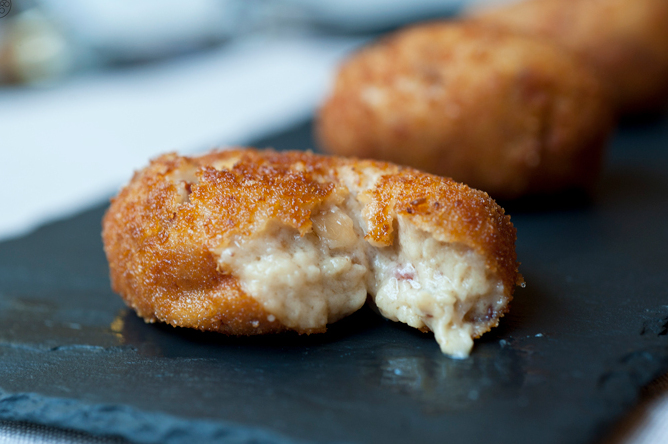
In the bustling heart of Madrid, where the rich tapestry of Spanish culture comes alive in every corner, the culinary scene is as vibrant as the city's lively plazas. Amongst the myriad of flavors that define this gastronomic paradise, the humble croqueta stands out, not merely as a dish but as a beloved tradition that carries the essence of Spanish ingenuity and warmth.
The origin of the croqueta traces back to the early 19th century in France, but Spain has truly made it its own, embedding it deeply within its culinary identity. The dish arrived in Spain likely during the Peninsular War when French influence wafted through the region. However, the Spanish, with their flair for innovation, adapted the original recipe, incorporating local ingredients and flavors. Today, croquetas are a staple on tapas menus across Madrid, a testament to their enduring appeal and versatility.
In Madrid, the art of the croqueta has been perfected over generations, transforming what could be a simple snack into a culinary masterpiece. Jamón croquetas and salt cod croquetas are perhaps the most iconic iterations, each bite offering a delightful blend of creamy béchamel and savory fillings, encased in a crisp, golden shell. These are enjoyed best at traditional tapas bars like Casa Julio in Malasaña, a neighborhood known for its bohemian vibe and rich history. Here, patrons gather around small tables, sharing plates of croquetas with glasses of cañas, the refreshing local beer, as laughter and conversation fill the air.

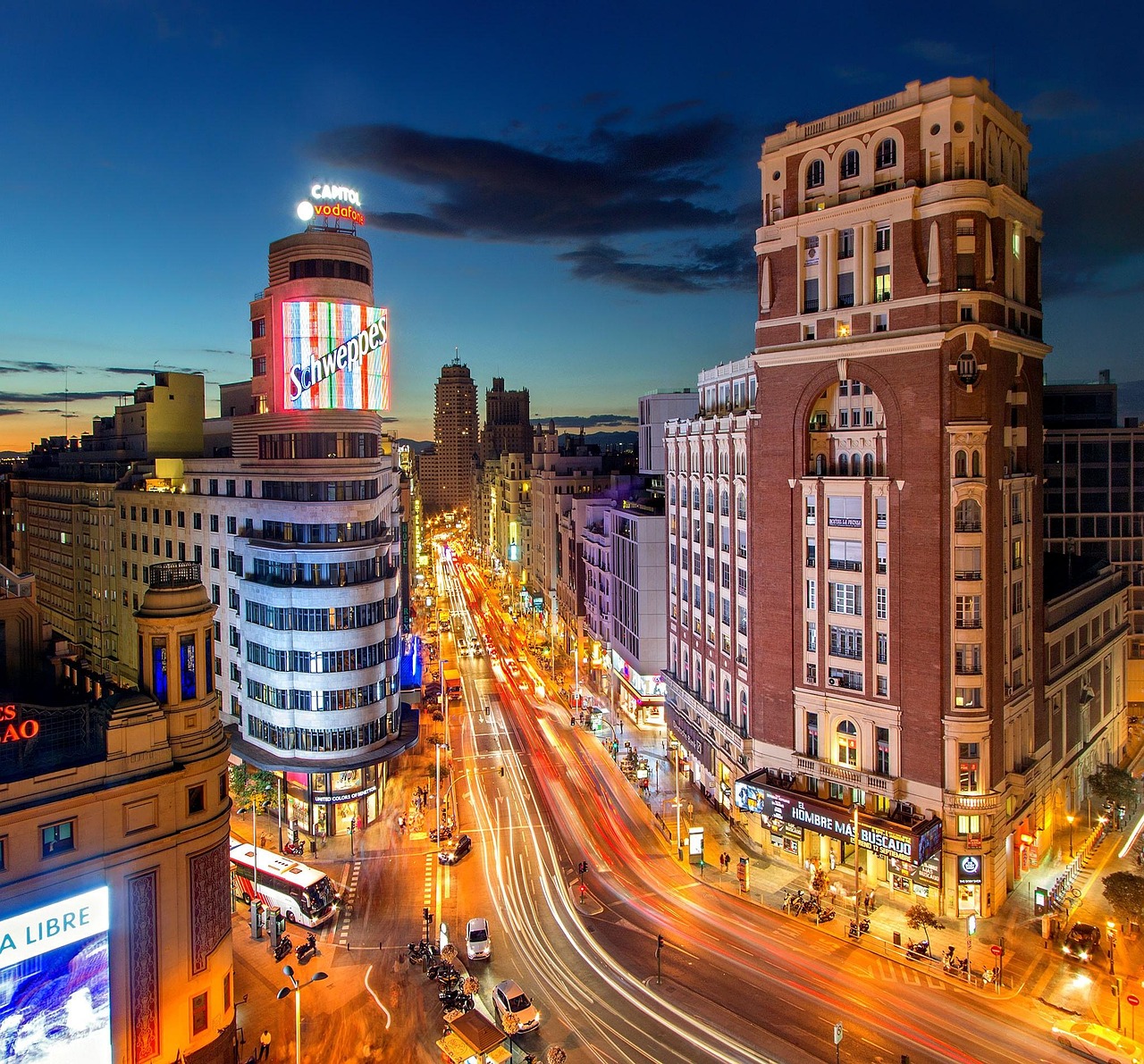
Beyond the culinary delights, Madrid's architectural landscape offers a picturesque backdrop to any culinary adventure. From the grandeur of Plaza Mayor to the modern elegance of Gran Vía, the city's buildings tell stories of a rich past. The Royal Palace of Madrid and the Almudena Cathedral showcase the blend of baroque and neoclassical styles, while the Prado Museum houses masterpieces by Velázquez and Goya, artists who have left an indelible mark on Spanish culture.
Madrid is also a city that thrives on tradition and celebration. The annual San Isidro Festival, held in May, is a vibrant display of music, dance, and parades, honoring the city's patron saint, San Isidro Labrador. During this time, locals don traditional dress and partake in festivities that have been celebrated for centuries. It's a time when the city's community spirit is most palpable, and when tapas bars are filled to the brim, with croquetas often playing a starring role in the gastronomic celebrations.
For those seeking lesser-known curiosities, Madrid offers a plethora of hidden gems. Take a stroll through the Barrio de las Letras, where literary greats like Cervantes and Lope de Vega once walked. Or, visit the Calle Cava Baja in the La Latina district, where the cobblestone streets whisper stories of ancient times and where some of the oldest tapas bars still serve croquetas that have remained unchanged for decades.
When visiting Madrid, timing can enhance the experience. The shoulder seasons of spring (April to June) and autumn (September to November) offer mild weather and fewer crowds, perfect for exploring the city's vibrant neighborhoods and indulging in its culinary delights. Visitors should not miss the chance to experience a traditional tapeo, a tapas crawl, hopping from bar to bar, sampling croquetas alongside other classic dishes like patatas bravas and tortilla española.
In essence, Madrid's croquetas are more than just a culinary offering; they are a slice of Spanish history and culture, a reflection of the city's ability to blend tradition with modernity. Whether you're savoring them in a bustling bar or learning about their storied past, these delightful bites offer a taste of Madrid's soul, one that is as rich and inviting as the city itself.
