



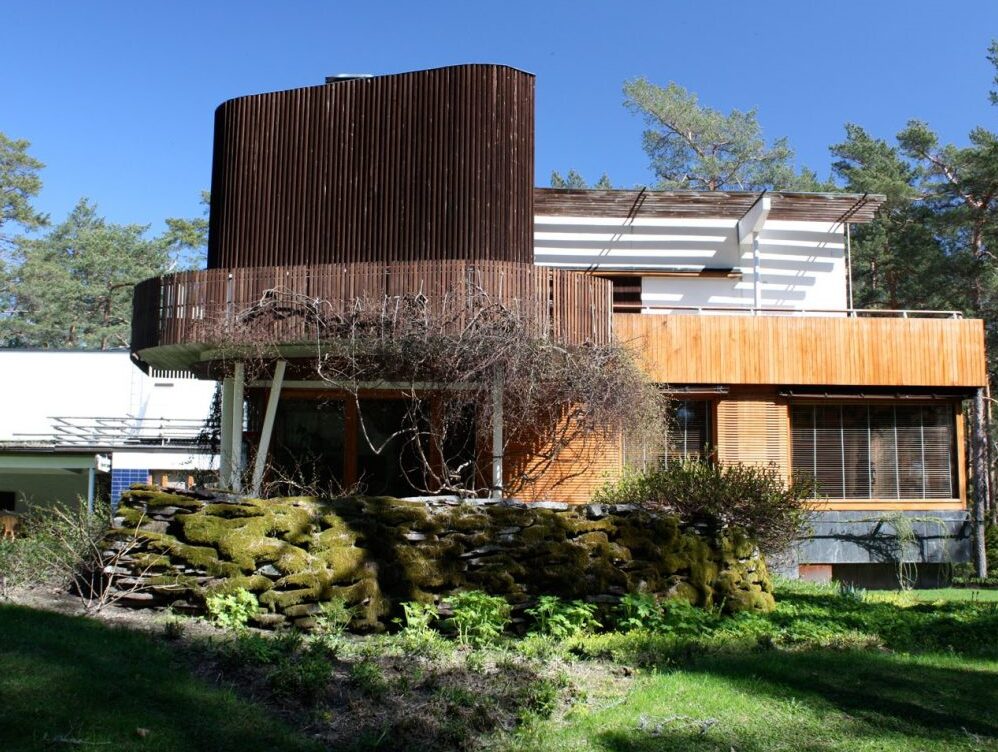
In the heart of Munkkiniemi, a serene neighborhood of Helsinki, stands the Aalto House, a testament to the genius of Finnish architect Alvar Aalto and his wife, artist Aino Aalto. Completed in 1936, this building served as both their home and studio, encapsulating a period of experimentation and innovation in Finnish architecture.
The origins of the Aalto House can be traced back to the early 20th century, a time when Finland was establishing its national identity following independence in 1917. Alvar Aalto, born in 1898, emerged as a pivotal figure in modernist architecture, blending functionality with organic forms. The couple designed the house not just as a residence but also as a reflection of their shared artistic vision. The house remained their base until Alvar's death in 1976, marking it as a significant site in the narrative of Finnish design.
Architecturally, the Aalto House is a striking example of modernist design harmonized with natural elements. Employing simple, uncluttered materials, Aalto sought to soften the rigid lines often associated with modern architecture. The combination of brick, wood, and glass creates a warm, inviting atmosphere, drawing visitors into a space that feels both personal and expansive. One of the most striking features of the house is its careful orientation; the main living areas face south, opening up to a lush garden that invites natural light, a critical element in Aalto's work.
Inside, the house boasts four open hearths, an architectural choice that not only provides warmth but also fosters a sense of coziness and community. The layout of the rooms, each oriented towards different views of the garden, exemplifies Aalto's meticulous consideration of space and light. This design philosophy reflects a deeper understanding of how individuals interact with their environment, a principle that resonates in Finnish culture.
The artistic significance of the Aalto House extends beyond architecture. Aino Aalto's influence as an artist is felt throughout the home, with thoughtful details in textiles and ceramics that she designed herself. This collaboration between Alvar and Aino is a beautiful representation of their partnership, both personal and professional. The house also serves as a canvas for their ongoing experiments with form, function, and material, contributing to the broader dialogue of Finnish design.
Local culture in Helsinki is deeply intertwined with the natural landscape, and the Aalto House is a microcosm of this relationship. The surrounding area is known for its parks and proximity to the sea, reflecting the Finnish reverence for nature. Visitors can experience local customs through various festivals celebrated throughout the year, such as Vappu (May Day) and Juhannus (Mid-Summer), where the community comes together to celebrate the changing seasons with food, music, and traditional activities.
When it comes to gastronomy, Helsinki offers a rich tapestry of flavors that echo the country’s history. Traditional Finnish dishes like karjalanpiirakka (Karelian pasties) and kalakukko (fish pie) can be savored in local cafes and restaurants, many of which celebrate the culinary traditions of the region. The Aalto House itself is a short distance from various eateries where visitors can enjoy local delicacies alongside a cup of Finnish coffee, known for its strong, rich flavor.
For those keen on uncovering the lesser-known curiosities of the Aalto House, interesting tidbits abound. One surprising detail is the house's innovative use of space; the couple incorporated a small guest room that was also designed to serve as a workspace for Aino. Additionally, the garden features several unique sculptures and elements designed by Aalto, showcasing his multifaceted approach to art and architecture. The Aalto House is not merely a residence; it is a living archive of their creative journey.
The best time to visit the Aalto House is during the summer months, from June to August, when the garden is in full bloom, and the natural light enhances the beauty of the architecture. Guided tours are available, offering insights into the couple's life and work, along with the chance to explore the meticulously designed interiors that speak to their artistic legacy. To truly appreciate the nuances of their design philosophy, visitors should take the time to observe how light interacts with the space at different times of the day.
In conclusion, the Aalto House is more than just a historical landmark; it is a profound reflection of Finnish culture, creativity, and connection to nature. As you plan your visit to Helsinki, consider using the Secret World app to create a personalized AI itinerary that will guide you through this architectural gem and beyond.
