



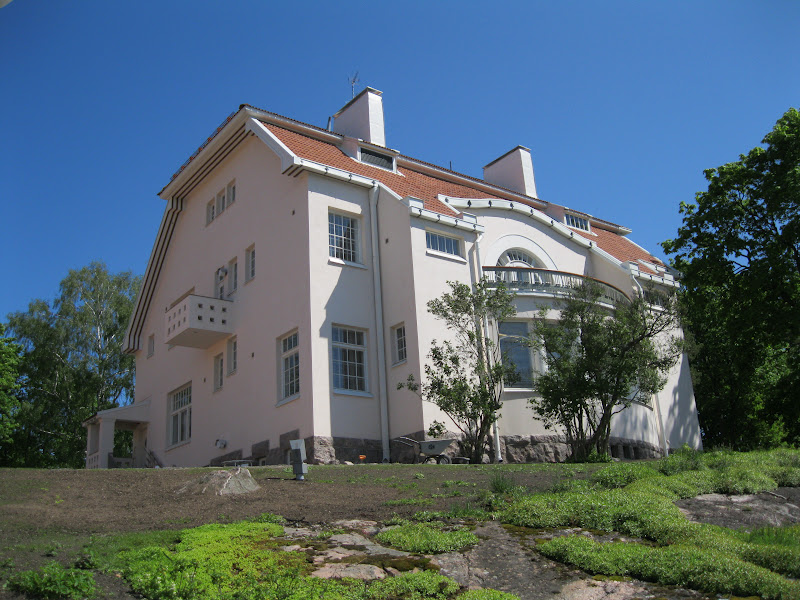
Urho Kekkonen Museum Tamminiemi offers a fascinating window into Finland’s past, particularly through the lens of one of its most prominent leaders. Nestled in the heart of Helsinki, this museum is more than just a tribute to President Urho Kekkonen; it is a journey through the post-war history and cultural evolution of Finland.
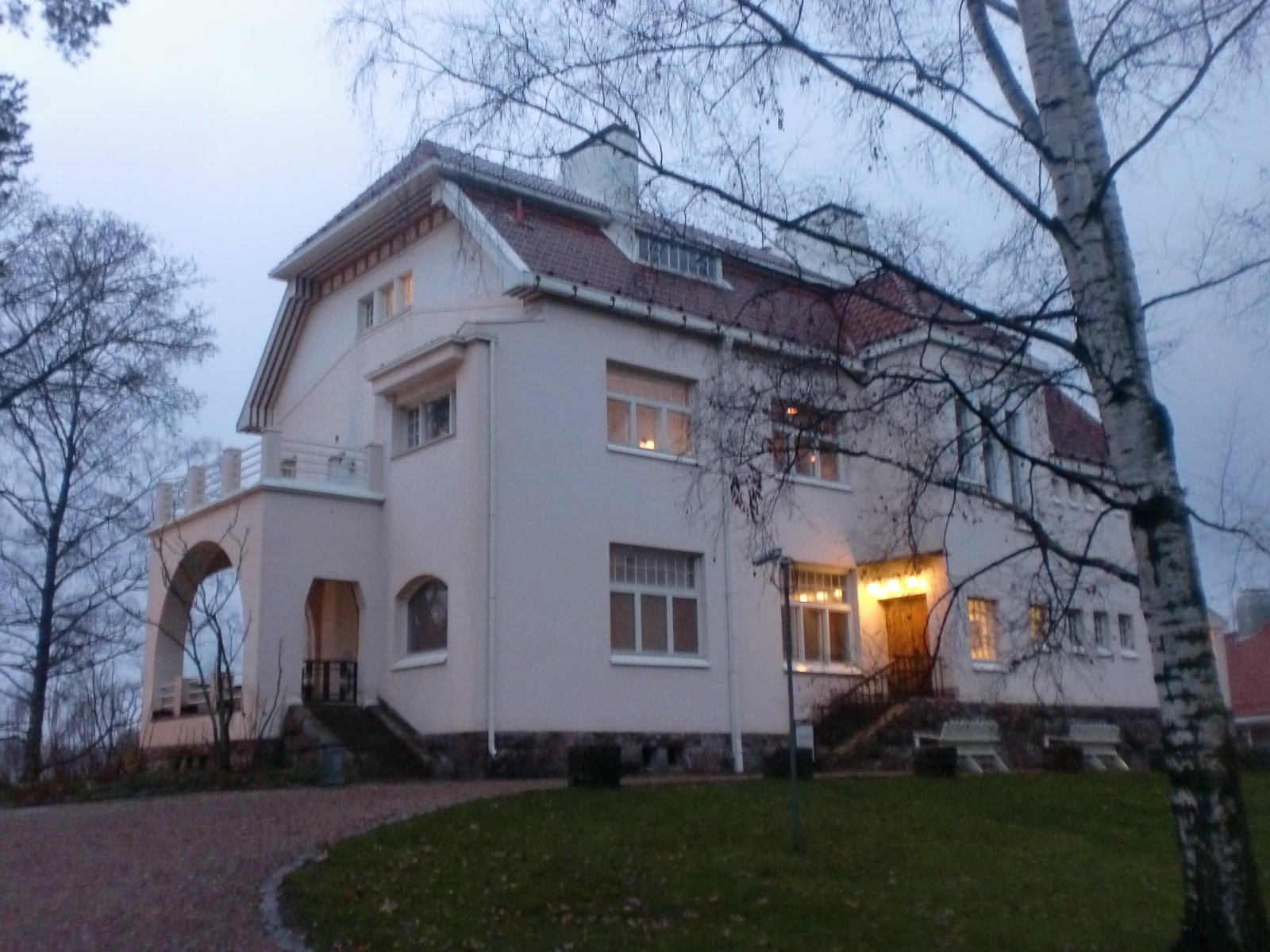
The villa’s history dates back to the 1930s, when it was constructed in the Art Nouveau style. Designed by architect Aarne Ervi, Tamminiemi served initially as a private residence before becoming an official state residence in 1956. The villa has hosted numerous significant events and figures, including former presidents Risto Ryti and C. G. Mannerheim, adding layers to its historical significance. After extensive renovations from 2020 to 2022, the museum has reopened, showcasing preserved interiors that transport visitors to the 1970s, the peak of Kekkonen's presidency.
The villa itself is a stunning example of Art Nouveau architecture, characterized by its organic forms and intricate details. Visitors will find a harmonious blend of functionality and beauty in its design. The interior is adorned with period-specific furnishings, textiles, and artwork that reflect the aesthetics of the time. These carefully curated exhibits provide an authentic glimpse into both the personal and political life of the presidents who resided there.
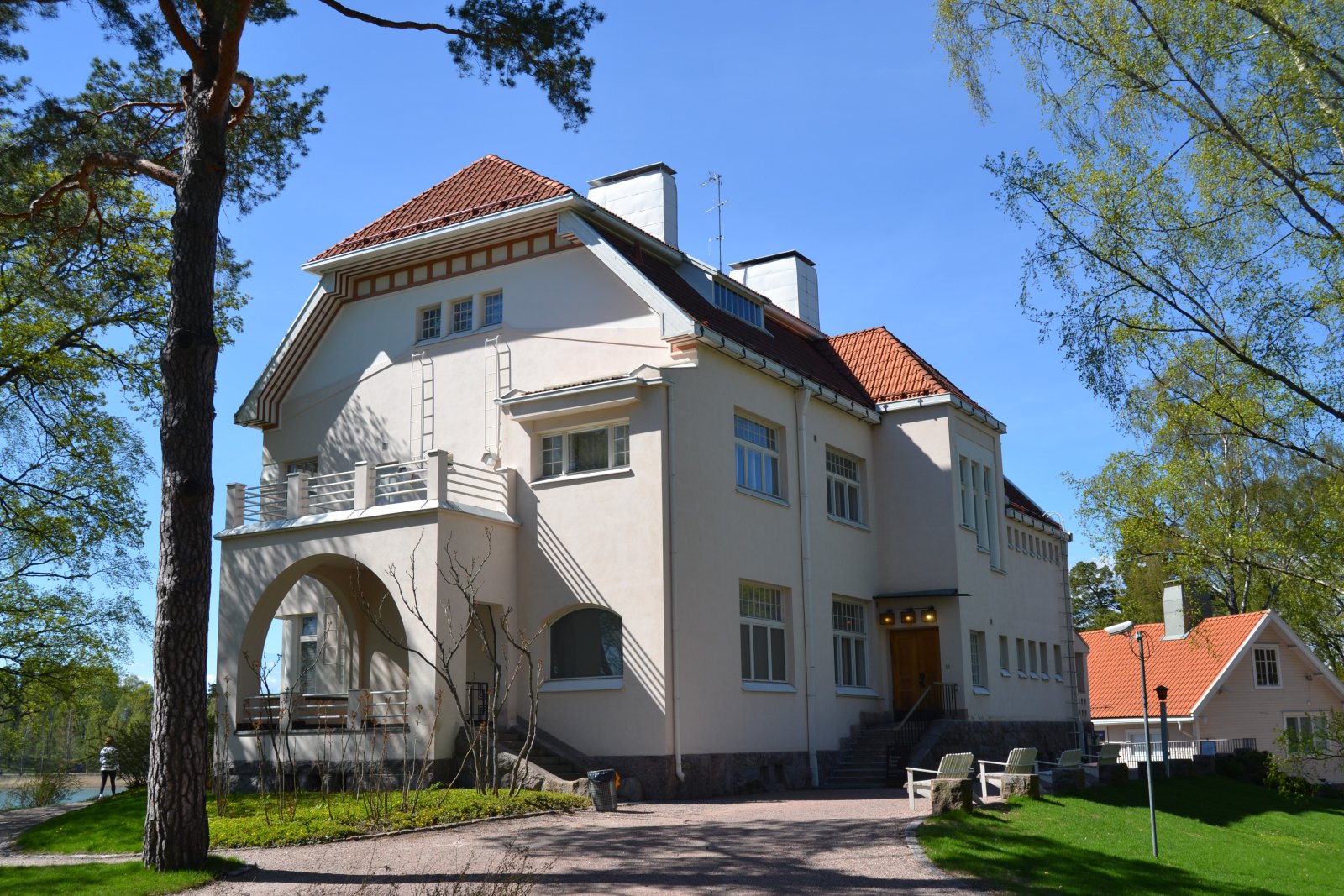
Culturally, Tamminiemi Villa is more than just a museum; it is a cultural hub. The grounds host various events throughout the year, such as concerts and matinees, celebrating Finnish music and arts. The museum also engages with local traditions, often featuring exhibits that highlight notable Finnish customs and festivals, such as Juhannus (Midsummer), a time of celebration reflecting the connection between Finns and nature.
Gastronomy plays a vital role in the Finnish experience, and while visiting the museum, one might explore local culinary traditions that reflect the simplicity and purity of Finnish food. Nearby cafes often serve karjalanpiirakka (Karelian pasties) and leipäjuusto (Finnish squeaky cheese), which can be paired with cloudberry jam for an authentic taste of Finland. These dishes connect visitors to the land and its history, exemplifying how food is intertwined with cultural identity.
For those intrigued by lesser-known curiosities, the Tamminiemi grounds are home to various species of trees that were planted by Kekkonen himself. The garden, designed to complement the villa, is a peaceful retreat where visitors can reflect on the historical significance of the estate. Moreover, many of the artifacts in the museum, such as Kekkonen’s personal items and gifts from foreign dignitaries, tell stories of diplomacy and the Cold War era, which are often overlooked in broader discussions of Finnish history.
When planning your visit, the best time to explore Urho Kekkonen Museum Tamminiemi is during the late spring and summer months, when the gardens are in full bloom and the weather is pleasant for a stroll through the estate. Guided tours are available and highly recommended, as they provide in-depth insights into the lives of the presidents and the significance of their contributions to Finnish society. Be sure to check the museum’s website for special events or temporary exhibitions that might coincide with your visit.
In conclusion, Tamminiemi serves as a poignant reminder of Finland’s history, encapsulating the essence of a nation navigating through the challenges of the post-war era. A visit to this museum not only enriches one’s understanding of Finland but also offers an opportunity to appreciate the cultural and architectural beauty that defines this remarkable country.
To enhance your travel experience, consider using the Secret World app to craft a personalized AI itinerary for your exploration of Helsinki.
