
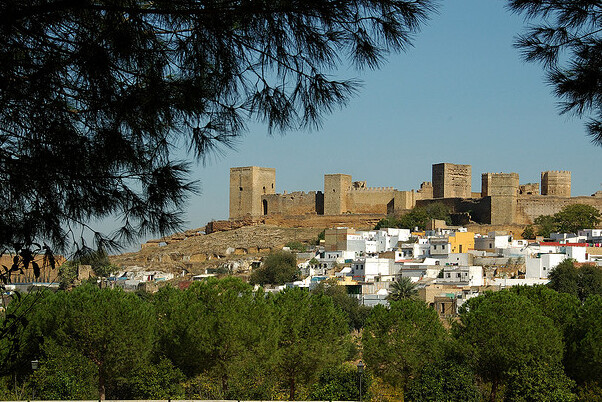

Perched dramatically on a high promontory overlooking the scenic Guadaíra River, the Alcalá de Guadaíra Castle is a testament to the layered history of Seville, Spain. Originally constructed in 1244 during the period of Muslim rule, this castle has seen a transformation from a royal prison to a revered church, embodying the complex tapestry of cultures that have thrived in this region. The site is not just a historical monument but a cultural cornerstone, offering visitors a glimpse into the past, showcasing remarkable architecture and intriguing local traditions.
### History and Origins The castle's origins can be traced back to the Bronze Age, where evidence of early human settlement has been found. However, the current structure began taking shape in the 11th and 12th centuries during a time when Muslim kingdoms reigned in the Iberian Peninsula. It became a strategic military stronghold, enabling the defense of the surrounding lands.
The Reconquest by Ferdinand III in 1248 marked a pivotal moment in its history, solidifying its role as a royal prison before it transitioned into a church. The castle underwent significant renovations and expansions until the late 15th and early 16th centuries, acquiring its distinctive layout that we see today. In 1924, it was declared a Monument of Historical and Artistic Interest, and in 1985, it gained recognition as a Place of Cultural Interest, ensuring its preservation for future generations.
### Art and Architecture The architectural style of the Alcalá de Guadaíra Castle is a remarkable blend of Moorish and Christian influences. Its robust stone walls, watchtowers, and intricate arches reflect the Islamic architectural traditions that were prevalent during its construction. The castle features a striking keep, which served as a defensive structure, and a series of battlements that offer a panoramic view of the surrounding landscape.
Inside, visitors can find remnants of religious art, including depictions of the Virgin Mary, which highlight the site's transition from a military fortress to a sacred place. The artistic significance of the castle lies not only in its physical structure but also in how it represents the confluence of cultures that have shaped Andalusian identity.
### Local Culture and Traditions The town of Alcalá de Guadaíra is steeped in rich traditions that echo its historical significance. One of the most vibrant celebrations is the Fiesta de la Virgen del Águila, held annually in April. This festival honors the town's patron saint and features colorful processions, traditional music, and local gastronomy, drawing visitors from far and wide.
Additionally, the town is known for its flamenco culture, which is deeply rooted in the region. Local performances often take place in intimate venues, allowing visitors to experience the emotive power of this traditional dance and music form.
### Gastronomy No visit to Alcalá de Guadaíra is complete without indulging in its culinary delights. The area is renowned for its tapas, small dishes that showcase local produce and flavors. Visitors should not miss the chance to try espinacas con garbanzos, a delectable spinach and chickpea dish that reflects the Moorish influence on Andalusian cuisine.
Another local specialty is pescaito frito, or fried fish, often enjoyed with a glass of manzanilla, a type of sherry that complements the coastal flavors of southern Spain. The town's olive oil is also highly regarded, known for its quality and rich taste, making it a staple in many local dishes.
### Lesser-Known Curiosities One intriguing aspect of the Alcalá de Guadaíra Castle is its connection to the alquibla, the ancient Arabic term for the direction of prayer. The castle's positioning on a hill allowed it to serve not only as a military fortification but also as a guiding point for the local Muslim community in their spiritual practices.
Moreover, the surrounding landscape, dotted with biodiversity, is home to various bird species, making it a popular spot for birdwatchers. The Guadaíra River, which flows near the castle, is also known for its picturesque walking paths, offering a serene escape from the bustling town.
### Practical Visitor Information The best time to visit Alcalá de Guadaíra Castle is during the spring (April to June) or fall (September to October) when the weather is mild and pleasant. Early mornings or late afternoons are ideal for exploring the castle, as the golden light enhances its beauty.
Visitors should take time to wander through the castle's grounds, exploring its towers, and immersing themselves in the breathtaking views of the valley below. It’s advisable to wear comfortable shoes, as the terrain can be uneven. Guided tours are available, providing deeper insights into the castle's history and architectural significance.
With its rich history, stunning architecture, and vibrant local culture, Alcalá de Guadaíra Castle is a must-see destination for anyone exploring the wonders of Seville. Whether you are an avid history buff or a casual traveler, this captivating site offers something for everyone.
Plan your visit to uncover the stories hidden within its walls and enjoy the local flavors that make this region unique. Don't forget to explore personalized itineraries using the Secret World app to make the most of your trip to Alcalá de Guadaíra.


