
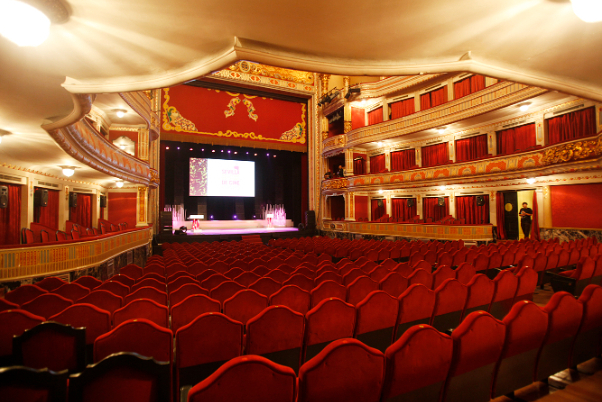

Nestled in the lush Parque de María Luisa, the Lope de Vega Theater stands as a testament to Seville's rich cultural tapestry and architectural grandeur. This iconic theater, built in 1929 for the Ibero-American Exposition, bears the name of Lope Félix de Vega y Carpio, a luminary of Spain's Siglo de Oro. Its creation was spearheaded by architect Vicente Traver y Tomás, who also designed other notable structures like the Casino and the Pabellón de la Ciudad de Sevilla, making it a cornerstone of cultural and artistic expression.
The theater's inauguration on October 28, 1929, was a grand event, attended by Spanish royalty King Alfonso XIII and Queen Victoria Eugenia. This historical moment marked the beginning of the theater's journey as a hub for the performing arts, playing host to countless performances that have captivated audiences through the decades.
Architecturally, the Lope de Vega Theater is a masterpiece of Spanish Baroque Revival style. Its façade is adorned with intricate details and elegant curves, characteristic of the era's artistic flourish. Inside, the theater boasts a lavish interior, featuring an ornate ceiling and plush seating that immerses patrons in an ambiance of opulence. The acoustics are meticulously designed, enhancing the performances of renowned playwrights and contemporary artists alike.
Seville's local culture weaves through the theater's events, reflecting the city's vibrant traditions and customs. The theater often hosts performances during the Feria de Abril, a celebration of Andalusian culture characterized by flamenco music, traditional costumes, and lively dances. The Semana Santa processions, another cultural cornerstone, also find a place in the theater's repertoire, offering visitors a glimpse into Seville's deep-rooted religious traditions.
No visit to Seville would be complete without indulging in its rich gastronomy. The theater's proximity to local eateries offers a delightful culinary experience. Savor tapas like tortilla española and jamón ibérico, or indulge in a hearty paella. Accompany your meal with a glass of Manzanilla sherry, a local favorite, to truly immerse yourself in the flavors of Seville.
Among the lesser-known curiosities of the Lope de Vega Theater is its connection to the world of cinema. Few know that it served as a filming location for several classic Spanish films, adding a touch of cinematic legacy to its storied past. Delve deeper, and you might discover hidden passages and backstage anecdotes that whisper tales of the theater's illustrious history.
For those planning a visit, the best time to explore the Lope de Vega Theater is during spring or fall, when Seville's weather is mild and welcoming. Be sure to check the theater's schedule for special performances or events, and consider joining a guided tour to appreciate its architectural nuances and historical significance fully.
Whether you're a culture enthusiast or a curious traveler, the Lope de Vega Theater offers a window into Seville's soul, blending history, art, and tradition in every corner. To craft a bespoke itinerary for your Seville adventure, consider using the Secret World app for personalized AI recommendations.


