
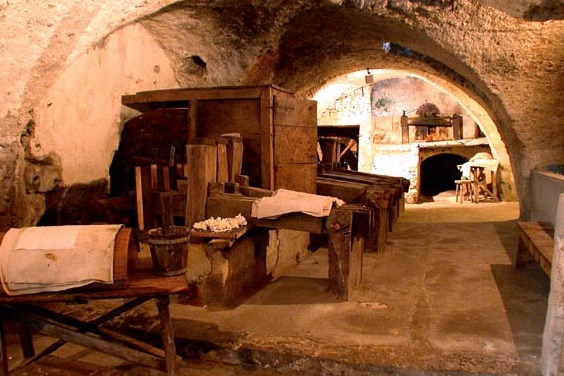

Nestled in the scenic Valley of the Mills, the Amalfi Paper Museum is a treasure trove of history and craftsmanship that tells the story of paper-making in one of Italy's most picturesque coastal towns. The museum, which opened its doors in 1969, is housed in a former paper mill that dates back to the 13th century. Visitors are greeted by the enchanting sight of restored machinery, still operational, that once produced exquisite handmade paper—a craft that flourished in Amalfi during the Medieval period.
The roots of paper-making in Amalfi can be traced back to the 12th century, when the town was part of the powerful Maritime Republics. These republics—Amalfi, Pisa, Genoa, and Venice—not only had extensive trade networks with the East but also played a significant role in the transmission of knowledge and technology. Historical accounts suggest that the art of making paper was likely learned from interactions with the Islamic world, where papermaking was already a well-established craft. By the 13th century, Amalfi was home to a thriving paper industry, supplying the growing demand for writing materials throughout Europe.
Architecturally, the Amalfi Paper Museum is a stunning example of how history and functionality intertwine. The building itself features traditional Mediterranean architecture—whitewashed walls that reflect the sunlight and a charming inner courtyard filled with local flora. Inside, visitors can explore a series of rooms filled with antique tools and equipment, such as hydraulic hammers and wooden presses, essential for the papermaking process. The museum also showcases beautifully crafted paper products, including hand-decorated sheets that highlight the artistry involved in this age-old craft.
Culturally, Amalfi is steeped in traditions that celebrate its maritime heritage and artisanal roots. Festivals such as the Festa di Sant’Andrea, held in late June, honor the town's patron saint with a vibrant procession, fireworks, and feasting. The connection to paper-making is celebrated through local workshops that allow visitors to try their hand at creating their own sheets, fostering a deeper appreciation for this labor-intensive art form. These customs not only preserve the town's history but also strengthen community ties and attract cultural tourism.
When it comes to gastronomy, the Amalfi Coast is renowned for its culinary delights, many of which can be traced back to the region’s rich agricultural heritage. Local dishes often feature fresh seafood, hand-made pasta, and an abundance of citrus fruits, particularly lemons. One must-try dish is the Scialatielli ai Frutti di Mare, a flavorful seafood pasta that showcases the fresh catch from the Mediterranean. Pair your meal with a glass of Limoncello, a zesty lemon liqueur that perfectly encapsulates the essence of the Amalfi lemons.
While the museum is a celebrated attraction, there are lesser-known curiosities that provide deeper insights into Amalfi's heritage. For instance, many visitors may not realize that Amalfi was once home to a thriving shipbuilding industry, contributing to its maritime prowess. Additionally, the town’s influence on the development of maritime law is significant, as it produced the Tavole Amalfitane, a set of maritime regulations that guided sailors and merchants in the Mediterranean.
For those planning a visit, the best time to explore the Amalfi Paper Museum is during the shoulder seasons of spring (April to June) and fall (September to October). These months offer pleasant weather and fewer tourists, allowing for a more intimate experience. When visiting the museum, be sure to pay attention to the demonstrations of traditional papermaking, which are held regularly and provide a fascinating glimpse into this historical craft.
In conclusion, the Amalfi Paper Museum is not just a museum; it is a portal into the rich history of a town that has contributed significantly to the cultural tapestry of Italy. With its dedication to preserving the art of paper-making and the stories of its past, a visit here is both enlightening and inspiring. For a personalized journey through the wonders of Amalfi, consider using the Secret World app to plan your itinerary.


