
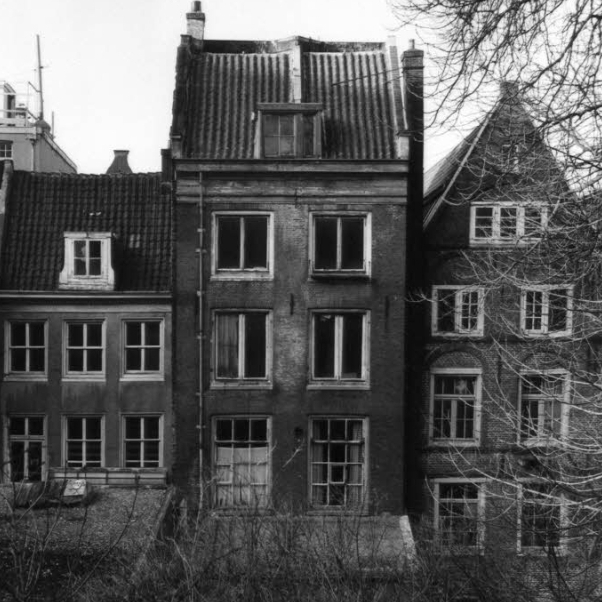

Nestled along the tranquil Prinsengracht canal in Amsterdam, the Anne Frank House is a poignant symbol of resilience and the enduring power of the human spirit. This unassuming building, now a world-renowned museum, was once the secret hiding place of Anne Frank and her family during the harrowing years of World War II. Visitors are drawn here not just to see the cramped quarters where Anne penned her famous diary, but to connect with the profound story of a young girl whose voice continues to echo through the corridors of history.
The story of the Anne Frank House begins long before the Frank family sought refuge within its walls. Built in 1635 during Amsterdam’s Dutch Golden Age, the house at Prinsengracht 263 was initially part of a prosperous warehouse district. Its original architectural style is indicative of the era, featuring a narrow façade typical of the canal houses of the period. The building served various commercial purposes over the centuries before becoming the clandestine hiding place for the Frank family and four other Jews in 1942.
The interior of the house is preserved to reflect its wartime state, offering visitors a somber glimpse into the occupants' lives. The hidden annex, or Achterhuis, remains as it was, with blackout curtains still drawn over the windows. Walking through the narrow staircases and hidden doorways, visitors can almost feel the presence of Anne as she worked tirelessly on her diary, documenting her fears, hopes, and dreams amid the constant threat of discovery.
Amsterdam's cultural landscape is deeply intertwined with the legacy of Anne Frank. The city, known for its liberal values and vibrant arts scene, hosts numerous events that celebrate freedom and human rights. The May 4th Remembrance Day and May 5th Liberation Day are particularly significant, honoring those who fought and suffered during the war and celebrating the liberation of the Netherlands in 1945. These events are marked by ceremonies, concerts, and public displays, fostering a sense of unity and remembrance among locals and visitors alike.
While the Anne Frank House is primarily a place of reflection, its location in the heart of Amsterdam offers visitors a taste of Dutch gastronomy that is both simple and satisfying. Nearby, traditional eateries serve up local favorites such as stroopwafels, thin waffles filled with caramel syrup, and hearty erwtensoep, a pea soup perfect for the city’s chilly weather. For a more adventurous palate, haring (raw herring) is a must-try, traditionally eaten with onions and pickles.
Beyond its well-trodden paths, the Anne Frank House holds lesser-known stories that enrich its narrative. Many visitors may not realize that the iconic diary was almost lost forever. After the arrest of the Frank family in 1944, Miep Gies, one of the helpers, found Anne's writings scattered on the floor. She preserved them, hoping to return them to Anne after the war. Sadly, Anne never returned, but her father, Otto Frank, survived and decided to publish her diary, ensuring her voice would not be silenced.
For those planning a visit, practical information can enhance the experience. The museum is busiest during the summer months, so visiting in early spring or late autumn can offer a quieter, more contemplative atmosphere. Tickets must be purchased online in advance, as same-day tickets are not available. As you explore, take time to absorb the details, such as the pencil marks on the wall charting Anne and her sister Margot’s growth, a silent testament to the passage of time in a world frozen by fear.
The Anne Frank House is more than a museum; it is a place where history converges with the present, urging us to reflect on the past and strive for a future grounded in understanding and tolerance. As you leave, the words of Anne Frank resonate deeply: "In spite of everything, I still believe that people are really good at heart." This belief, captured within the walls of this historic house, continues to inspire millions worldwide.


