
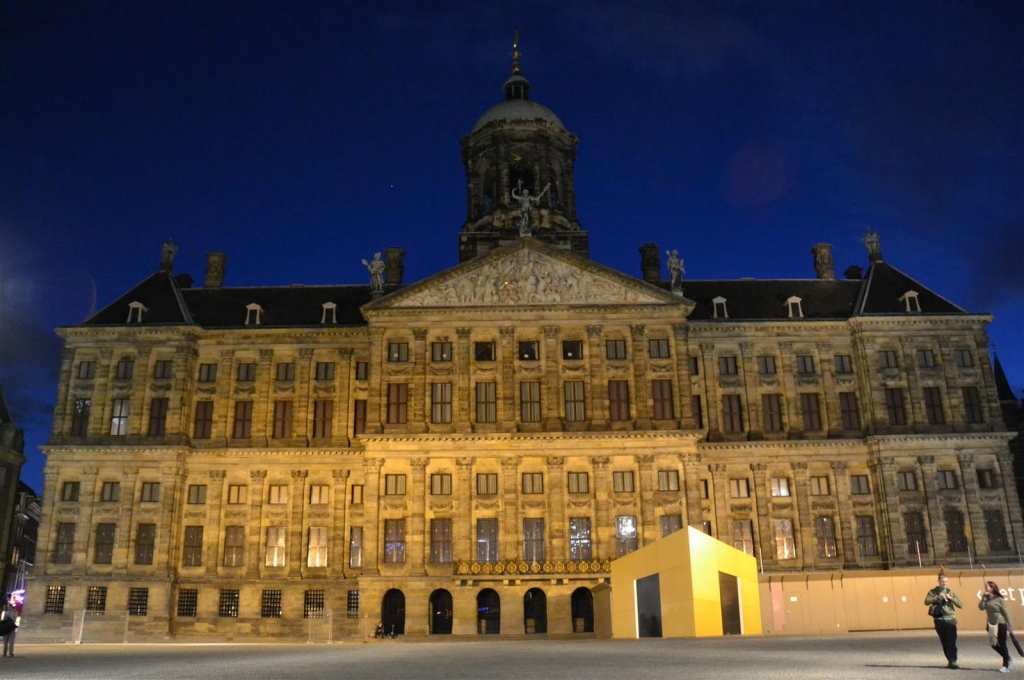

Standing majestically on Dam Square, the Royal Palace of Amsterdam is more than just a stunning architectural feat; it is a living testament to the city's rich history and cultural significance. Originally constructed in 1648 as the Amsterdam City Hall, this grand structure served as the largest secular building in Europe during the Dutch Golden Age. Designed by the architect Jacob van Campen, its Neoclassical style features a striking façade adorned with statues and intricate carvings, reflecting the power and wealth of this historic city.
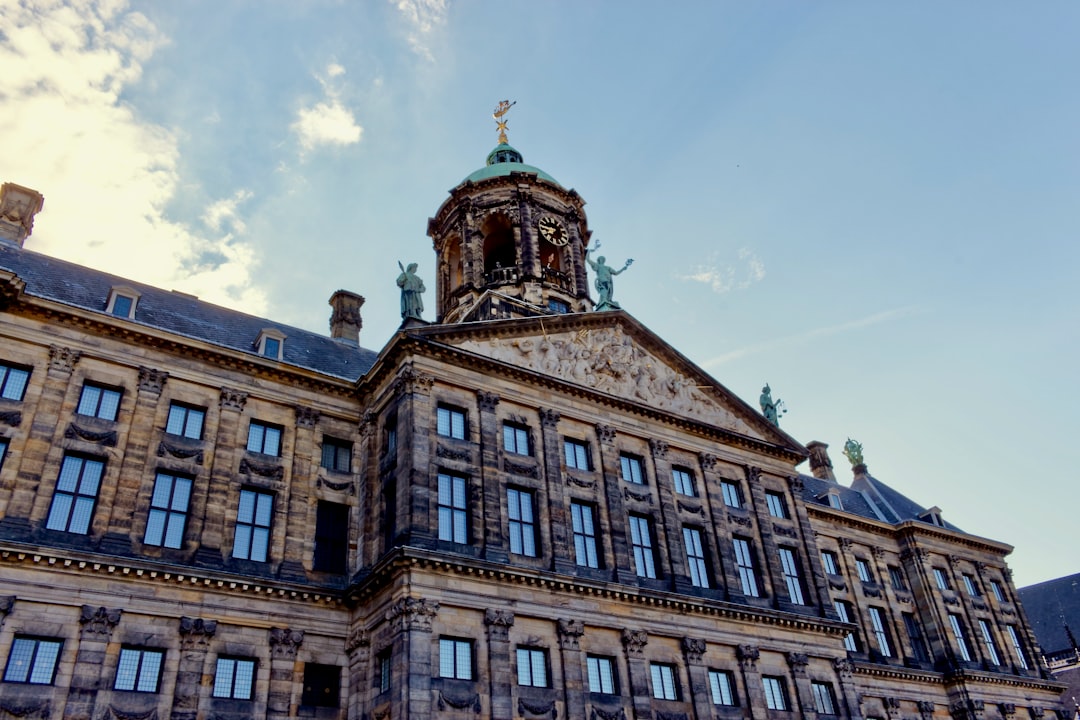
The palace was repurposed as a royal residence in 1808 by King Louis Napoleon, and since then, it has played a crucial role in the Dutch monarchy. Today, it is one of the three palaces available for the King’s use, as designated by an Act of Parliament. The building is not only a royal residence but also a venue for significant state occasions, including the reception of foreign dignitaries and the annual King's New Year Reception.
Visitors to the palace can marvel at its opulent interiors, which include the magnificent Council Chamber, the Ballroom, and the Ceremonial Hall, all adorned with exquisite chandeliers, rich tapestries, and stunning artworks. Among the notable pieces are the paintings by Dutch masters, including works that illustrate the palace's historical significance and the power of the Dutch Republic.
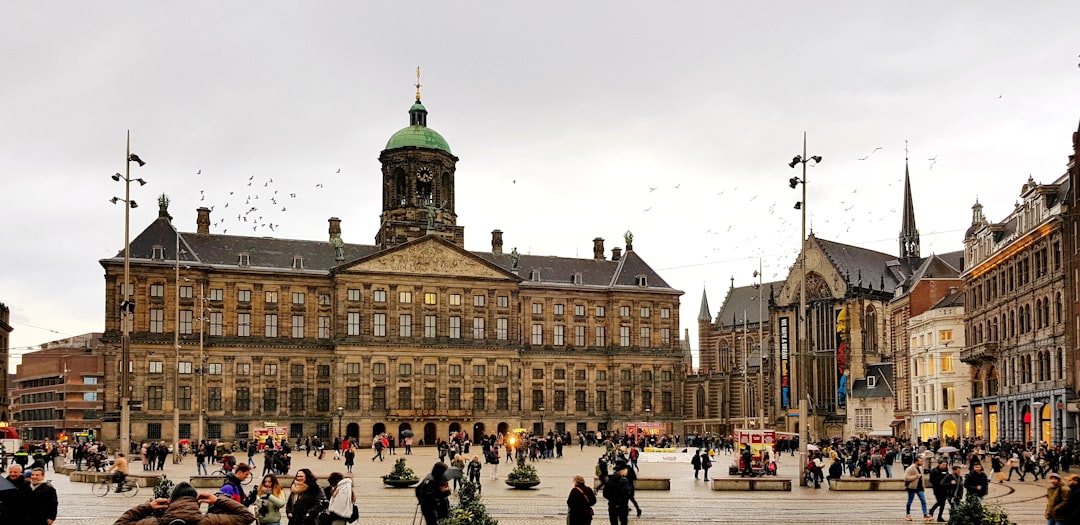
Culturally, the Royal Palace is a focal point for various local traditions. It serves as a backdrop for events like the Dutch National Day and King’s Day, where citizens celebrate with parades, music, and vibrant street markets. The building’s central location on Dam Square means it is always bustling with activity, making it an integral part of Amsterdam’s urban life.
When it comes to gastronomy, the area surrounding the palace is filled with culinary delights. Local favorites include stroopwafels, thin waffles filled with caramel syrup, and haring, raw herring fish often served with onions and pickles. Enjoying a warm poffertjes, fluffy Dutch pancakes dusted with powdered sugar, is a delightful way to take a break while exploring the square.
For those intrigued by lesser-known curiosities, the palace has its share of hidden stories. One significant tale involves the bell tower, known as the Westertoren, which is said to have inspired the famous painting by Rembrandt. Additionally, many visitors overlook the small yet beautiful Royal Palace Garden, a serene oasis amidst the lively square, perfect for a moment of reflection.
The best time to visit the Royal Palace is during the spring months, particularly in April when the grounds are lush and the city is alive with festivals. However, visiting during the winter offers a unique charm with festive decorations and a cozy atmosphere. To make the most of your visit, consider taking a guided tour, which provides deeper insights into the palace’s fascinating history and significant artworks.
When planning your trip, be sure to check if there are any special exhibitions or events taking place. The palace often hosts various cultural programs that can enrich your experience.
In conclusion, the Royal Palace of Amsterdam is a must-see for anyone wishing to explore the rich tapestry of Dutch history and culture. Its stunning architecture, vibrant surroundings, and royal significance make it a highlight of any visit to the Netherlands. For a personalized itinerary to explore this beautiful city, consider using the Secret World app.


