
🎄 Win a month in Italy for two — €10,000 · The Secret Italy Prize GO →
The Archaeological Site of Philippi, — Filippi
← Back
Historical Sites 📍 Filippi, Greece 267 views

The Archaeological Site of Philippi,

The Archaeological Site of Philippi, inscribed on the UNESCO World Heritage List in July 2016, is a treasure trove of history and architecture that offers a journey through several transformative periods of Western civilization. Located in Greece, Philippi bears the traces of anc...

Photo · Loredana M.

The Archaeological Site of Philippi, — Filippi, Greece.

Location
Filippi
Type
Historical Sites
Opening hours
Weather now
↗ Directions

About The Archaeological Site of Philippi,

The Archaeological Site of Philippi, - Filippi | Secret World Trip Planner

The Archaeological Site of Philippi, inscribed on the UNESCO World Heritage List in July 2016, is a treasure trove of history and architecture that offers a journey through several transformative periods of Western civilization. Located in Greece, Philippi bears the traces of ancient Greek kings, Roman generals, and key figures in the Early Christian world, making it an unparalleled destination for historians, archaeologists, and tourists alike.
The Archaeological Site of Philippi, - Filippi | Secret World Trip Planner

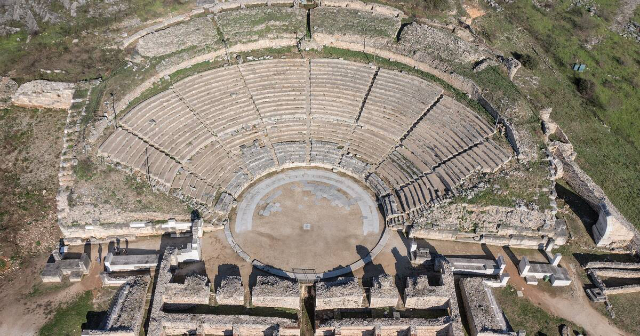
Initially established as a colony of Thassians under the name Krinides in 360 BC, the city was soon conquered by Philip II of Macedonia. Under his rule, the city was fortified and renamed Philippi. The city flourished during the Hellenistic period, gaining a theatre, public buildings, and private residences. The ancient theatre of Philippi is one of the site's most impressive monuments and serves as a venue for the annual Philippi Festival.

But perhaps the most significant event in Philippi's history was the pivotal battle in 42 BC between Roman Republicans and supporters of the monarchy, effectively ending the Roman Republic. This event left an indelible mark on the city's history, but it would not be the last. The Apostle Paul arrived in Philippi around 49/50 AD and founded the first Christian church on European soil, changing the city's trajectory once more.

The Archaeological Site of Philippi, - Filippi | Secret World Trip Planner

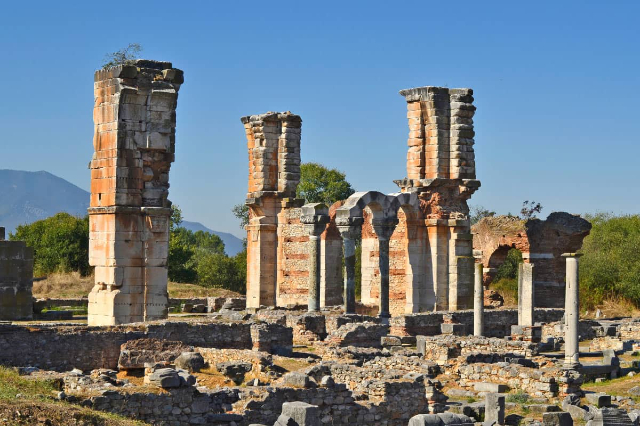
During the Early Christian period, Philippi became an epicenter for Christianity, thanks in part to the city’s location along the Via Egnatia, one of the ancient world's major roads. Several significant Early Christian structures were erected in the city, such as the Octagon complex and the "Bishop’s Palace", which are among the best-preserved of their kind globally.

By the 7th century AD, the city was largely abandoned due to a series of earthquakes and Slavic invasions. It resurfaced in the Byzantine period as a fortress but was eventually abandoned after the Turkish conquest in the late 14th century.
The Archaeological Site of Philippi, - Filippi | Secret World Trip Planner

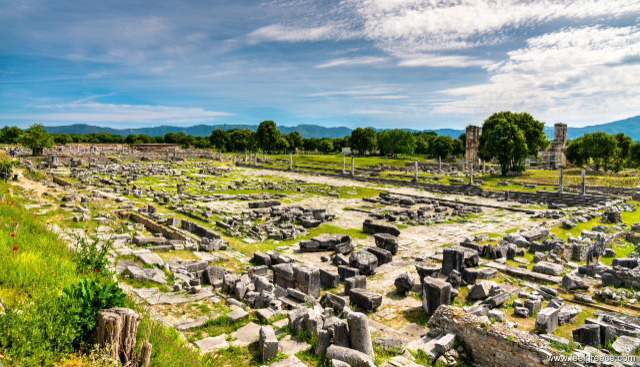
Ongoing archaeological work by the Archaeological Service, the Aristotle University of Thessaloniki, and the French School of Archaeology has continued to unearth the site's rich past. The finds from these excavations are showcased in the Archaeological Museum of Philippi, giving us a vivid glimpse into the multi-layered history of this extraordinary place.

The Archaeological Site of Philippi stands not just as a testament to the city's grand history but as a monumental chronicle of the Western world's evolving cultures and beliefs. Whether you are an archaeology enthusiast, a history buff, or a curious traveler, Philippi offers a window into the origins and shifts of civilizations that have shaped our world.

The Archaeological Site of Philippi, - Filippi | Secret World Trip Planner
✦ Secret World · suggested day

A perfect day in Filippi

Start with The Archaeological Site of Philippi,, then continue with nearby places selected by Secret World.

  1. 01
    Morning
    The Archaeological Site of Philippi,
    📍 Filippi
    Start here
  2. 02
    Afternoon
    📍 1.2 km away
  3. 03
    Evening
    📍 9.8 km away

Collect this place

Turn places you discover into stamps in your Secret Passport.

Open Secret Passport →

Keep exploring · Filippi

Frequently Asked Questions

The Archaeological Site of Philippi was inscribed on the UNESCO World Heritage List in July 2016, recognizing its exceptional historical and architectural significance. This designation highlights the site's importance as a treasure trove spanning several transformative periods of Western civilization.
The Battle of Philippi in 42 BC was a pivotal conflict between Roman Republicans and supporters of the monarchy that effectively ended the Roman Republic. This momentous event left an indelible mark on the city's history and its place in Western civilization.
The Apostle Paul arrived in Philippi around 49/50 AD and founded the first Christian church on European soil, transforming the city into an epicenter for Christianity. The city's location along the Via Egnatia, a major ancient road, further facilitated its role in spreading Early Christian faith across the region.
Key monuments include the ancient theatre of Philippi, one of the site's most impressive structures that hosts the annual Philippi Festival, as well as remarkable Early Christian structures such as the Octagon complex and the "Bishop's Palace," which are among the best-preserved of their kind globally. The site also features public buildings and private residences from the Hellenistic period.
Philippi was initially established as a colony of Thassians under the name Krinides in 360 BC, but was soon conquered and fortified by Philip II of Macedonia, under whose rule the city was renamed Philippi. Under Philip II's leadership, the city flourished during the Hellenistic period with the addition of theaters, public buildings, and residences.

Experiences nearby · Filippi

Powered by Viator

See more on Viator.com

Secret World Hidden places, real stories — plan your trip
Get the app
