
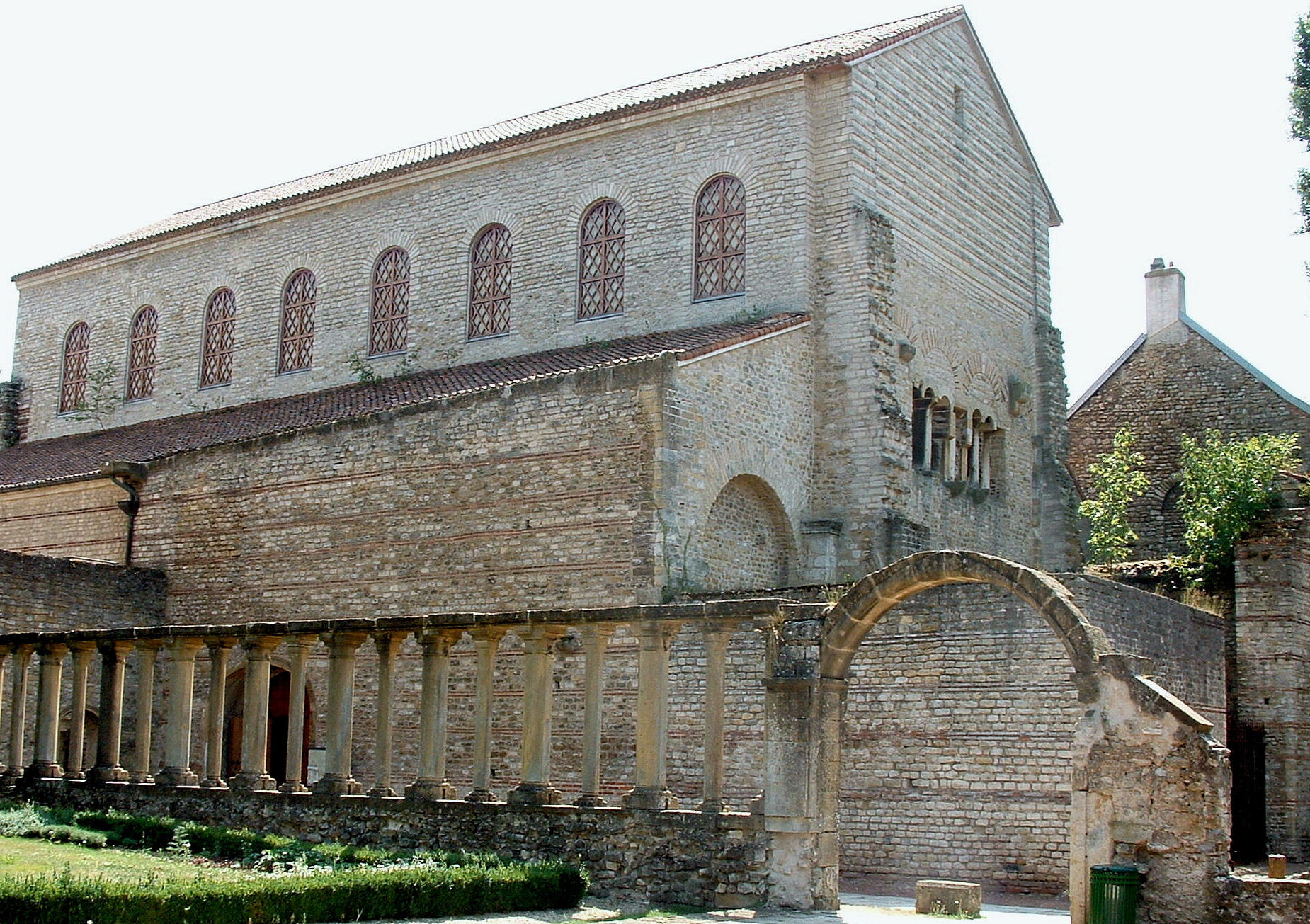

The Basilica of Saint-Pierre-aux-Nonnains in Metz, France, stands as a testament to the city's rich and layered history. With origins dating back to the 4th century, this remarkable structure is one of the oldest churches in Europe, making it a cornerstone of both early Christian architecture and the cultural tapestry of the region.
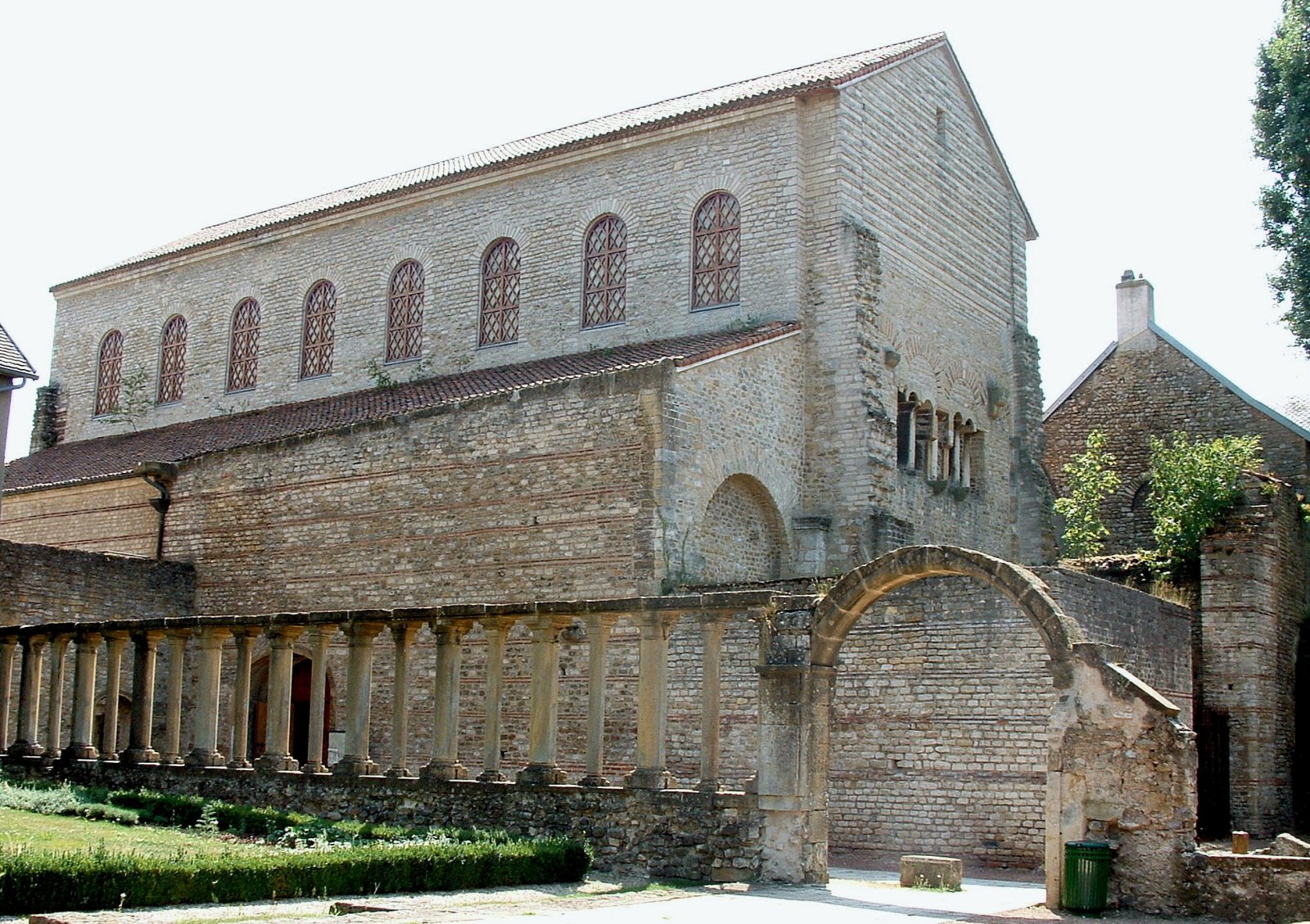
Originally built in AD 380, the basilica began its life as a Roman "gymnasium," a secondary school that was part of a larger spa complex. This locale thrived in the heart of the Roman Empire, where it served both educational and recreational purposes. As the political landscape shifted, so too did the use of this building. By the 7th century, it was transformed into a church and became the chapel for a Benedictine nunnery, marking its significant transition into a place of worship.
Metz was a pivotal location during the rise of the Frankish civilization. The city's historical significance is underscored by its connection to notable figures like Clovis I, the first King of the Franks to unite all of the Frankish tribes under one ruler. His conversion to Christianity solidified Metz’s status as a Christian stronghold. The Merovingians and Carolingiens traced their ancestry back to this area, with Charlemagne himself showing a particular fondness for Saint-Pierre-aux-Nonnains. Interestingly, two of his sons were laid to rest within its hallowed walls, further embedding the church within the annals of history.
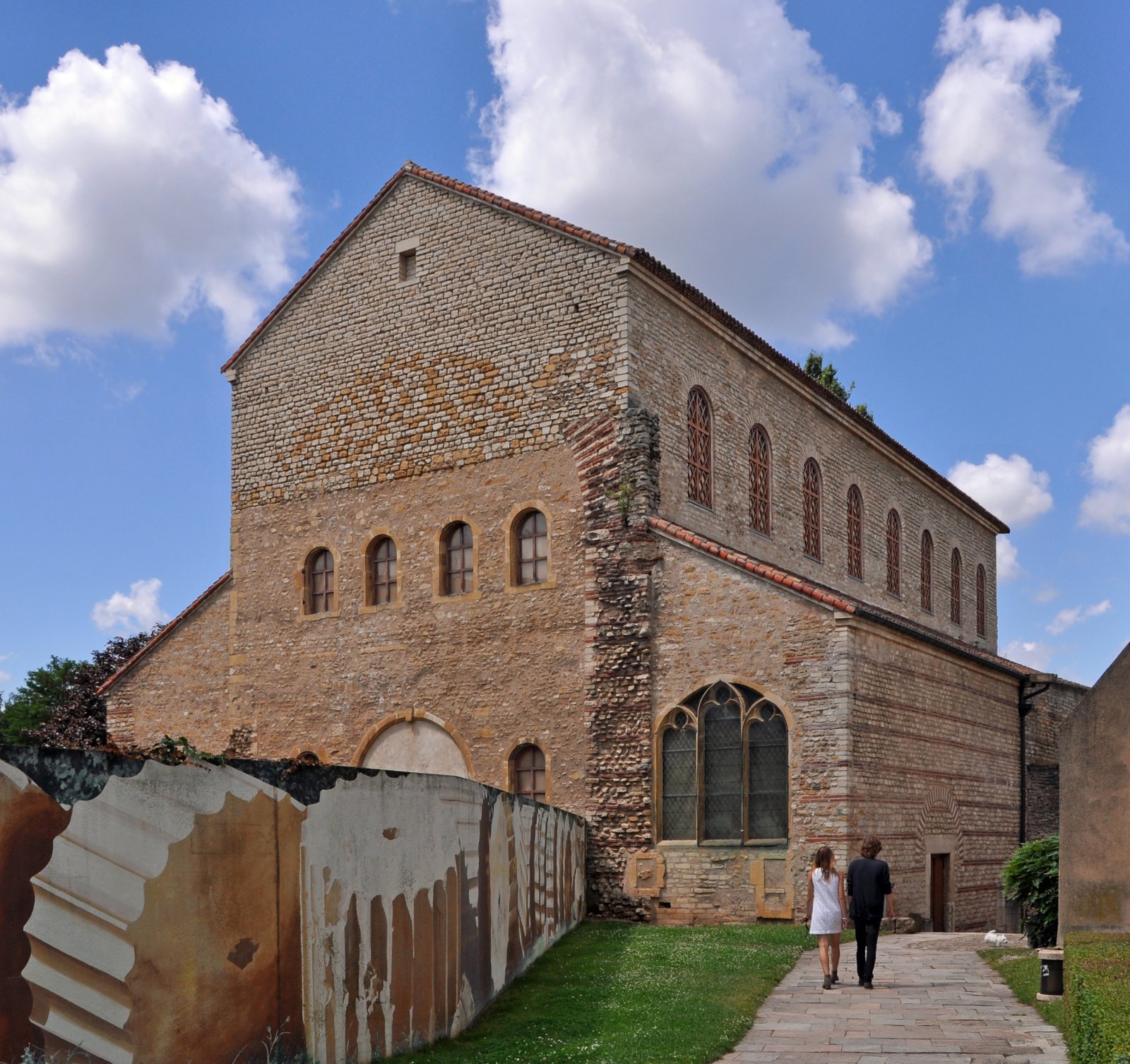
Architecturally, the basilica showcases a blend of Romanesque and Gothic styles, highlighted by its impressive stone façade and intricate arches. The original structure from the 4th century retains some Roman elements, while significant renovations in the 11th century introduced a new nave, enhancing its grandeur. Further modifications were made in the 16th century when the church was repurposed as a warehouse, a fate that lasted until the 1970s when restoration efforts began. Today, visitors are often captivated by the serene atmosphere, making it an ideal venue for performances of Gregorian Chant, a connection to its spiritual roots that attracts enthusiasts from around the world.
The local culture surrounding the basilica is vibrant, with Metz hosting a variety of festivals and customs that celebrate its heritage. The Fête de la Mirabelle, held annually in August, pays homage to the region's famous mirabelle plums and includes parades, music, and local delicacies. The basilica itself serves as a backdrop for various cultural events, such as art exhibitions and concerts, which help to keep the community's historical narrative alive.
When it comes to gastronomy, the region is rich in culinary delights. One must try the Quiche Lorraine, a savory tart made with cream, eggs, and bacon, originating from the nearby Lorraine region. Additionally, local wines, particularly those produced from the Moselle Valley, pair beautifully with the hearty dishes, offering a taste of the terroir that defines the area. For those with a sweet tooth, the Mirabelle tart is a must, showcasing the region's prized fruit.
While many tourists flock to the basilica for its architectural beauty and historical significance, there are lesser-known curiosities that are often overlooked. For instance, the name "Saint-Pierre-aux-Nonnains" translates to "Saint Peter of the Nuns," a nod to its association with the Benedictine nunnery. Moreover, the church's location near the Moselle River adds to its charm, providing picturesque views that are particularly stunning during the autumn months when the leaves change color.
If you’re considering a visit, the best time to explore the Basilica of Saint-Pierre-aux-Nonnains is during the spring or early autumn. The weather is mild, perfect for strolling through the surrounding gardens and enjoying the peaceful ambiance. Make sure to check the schedule for concerts or events, as experiencing Gregorian Chant in this ancient setting is a truly unforgettable experience.
As you walk through the basilica's ancient arches, take a moment to reflect on the centuries of history that have unfolded within its walls. The echoes of the past come alive in this sacred space, inviting you to immerse yourself in the heritage of Metz.
To enhance your visit, consider using the Secret World app for a personalized AI itinerary tailored to your interests in Metz.


