
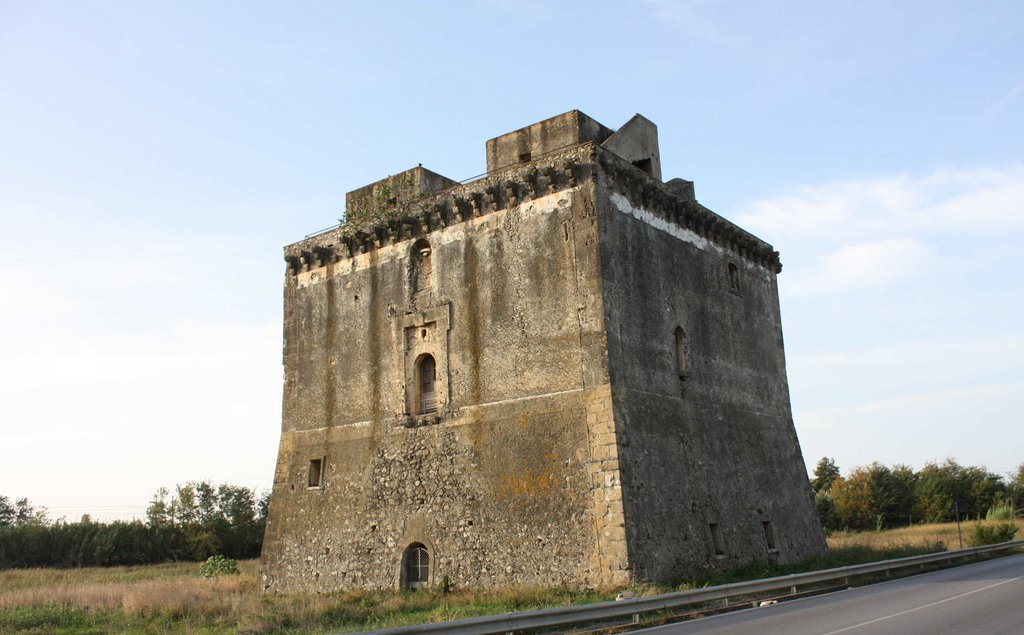

Standing resilient against time, the Bastion of the Knights of Malta, located in Bastioni di Malta, Italia, is a remarkable testament to 16th-century military architecture and the enduring spirit of the Knights of Malta. Constructed during a period of heightened tension with the Saracens, this imposing structure was pivotal in fortifying the coastal defenses of its community.
The Bastion, built in the mid-1500s, features a truncated pyramidal base that commands attention with its robust design. The Knights of Malta, a Catholic military order, recognized the urgent need for enhanced defenses to protect their territories from frequent incursions. This bastion, strategically positioned just 800 meters from the shoreline, allowed the Knights to monitor and respond to threats from the sea effectively.
Historically, the Bastion of the Knights of Malta was equipped with various war machines, thanks to the efforts of Fra Signorino Gattinara, whose coat of arms graces the entrance door. His contributions to the fortification's military capabilities are celebrated as a key part of its legacy. Over the centuries, the bastion transitioned from a communal defense structure to private ownership, particularly following the sale of ecclesiastical properties, which reflects the changing tides of power and ownership in the region.
Architecturally, the Bastion embodies the Renaissance style, characterized by its strong geometric shapes and functional design. Its four rooms serve not only military purposes but also offer remarkable views of the surrounding landscapes from the large terrace. The mix of utilitarian structure combined with the elegance of the Renaissance aesthetic makes this bastion a true work of art in its own right.
Culturally, the bastion stands as a symbol of the local community's resilience and historical significance. Festivals celebrating the Knights of Malta and maritime heritage take place in the vicinity, with locals often dressing in period costumes to reenact historical events. These celebrations provide an engaging way for visitors to immerse themselves in the culture and history that the bastion represents.
No visit to the region would be complete without indulging in its gastronomy. The local cuisine reflects the Mediterranean influences that have shaped this area over centuries. Typical dishes include 'nduja, a spicy spreadable salami, and swordfish, often grilled and served with a drizzle of olive oil and lemon. Pairing these dishes with local wines, such as Greco di Bianco, adds a delightful touch to the culinary experience.
Among lesser-known curiosities, visitors might be surprised to learn that the Bastion of the Knights of Malta has been the backdrop for various artistic projects, from paintings to photography exhibitions. The contrasting light and shadow that play across its ancient walls during sunset create a captivating scene, often overlooked by hurried tourists.
When planning a visit, the best time to explore the Bastion is during the spring or fall when the weather is mild and the crowds are thinner. Early mornings or late afternoons offer the most serene experience, allowing for quiet contemplation and reflection on the historical significance of this monumental site. Don't forget to look for the intricate details in the architecture and the stunning vistas it offers over the coastline.
In conclusion, the Bastion of the Knights of Malta is a treasure trove of history, architecture, and culture, making it an unmissable destination for travelers seeking a deeper understanding of this region's past. Consider using the Secret World app to craft a personalized itinerary that will enhance your visit to this captivating bastion.


