
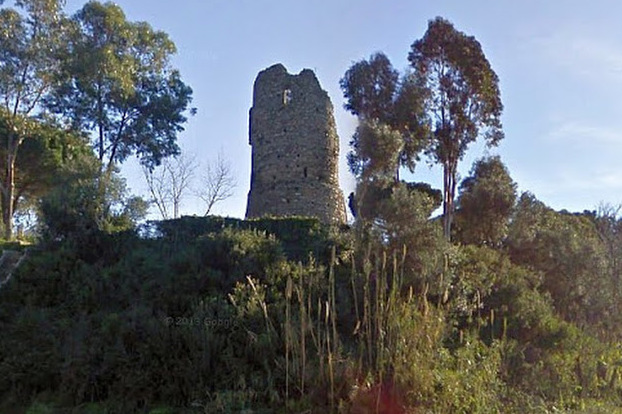

Perched majestically on a hill overlooking the serene Lake Maricello, the Tower of Santa Caterina in Gizzeria offers a captivating glimpse into the past. This 15th-century structure, with its distinctive truncated cone base, stands as a testament to the region's rich history and strategic military importance.
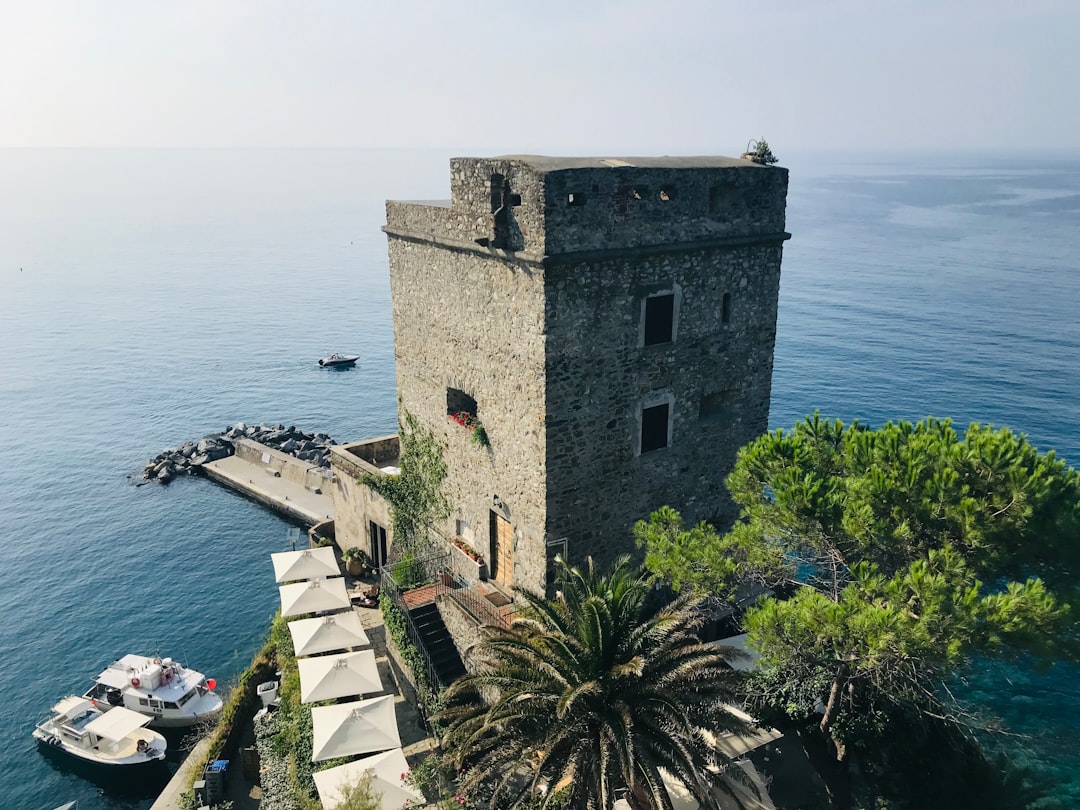
The tower's origins are steeped in the tumultuous history of southern Italy. Built during a time of conflict and territorial disputes, it served as a watchtower for the Kingdom of Naples. The strategic location allowed for surveillance of the surrounding areas, and its construction was likely prompted by the need for defense against pirate invasions that plagued the Italian coast. Over the centuries, the tower has witnessed countless events, from battles to peaceful gatherings, each contributing to its storied legacy.
Architecturally, the Tower of Santa Caterina is a fascinating hybrid of styles that reflects the era's military architecture. The base is a truncated cone, a design choice that not only enhances its defensive capabilities but also adds to its aesthetic appeal. The cylindrical body of the tower, which is divided from the base by a sawtooth pattern, hints at the modifications made during its reconstruction after a partial collapse. The entrance, located on the first floor, was accessible via a retractable external ladder, a clever defensive mechanism that deterred potential intruders. Above the entrance, the machicolations allow defenders to drop stones or projectiles onto attackers below, showcasing the tower’s martial purpose.
While the tower itself is a striking architectural marvel, it lacks the embellishments often found in more ornate structures. Most of the original embrasures have been destroyed, leaving only a few remnants that speak to its former glory. Despite this, the simplicity of its design speaks volumes about the practicality and ingenuity of its builders, making it a unique example of military architecture in the region.
Gizzeria is not just about its historical edifices; it is also a vibrant hub of local culture and traditions. The community celebrates various festivals throughout the year, with the most notable being the Feast of Santa Caterina, dedicated to the tower's namesake. This celebration, held in late November, draws locals and visitors alike for a lively mix of religious processions, traditional music, and regional food stalls. The festival reflects the deep-rooted spiritual connection the residents have with their landscape, honoring both the saint and the historical significance of the tower.
Speaking of gastronomy, Gizzeria offers a delightful array of local culinary treasures. The region is known for its ‘nduja, a spicy, spreadable salami that embodies the bold flavors of Calabrian cuisine. Paired with local cheeses and fresh bread, it creates a perfect sampling of the area’s gastronomic heritage. Additionally, the proximity to the coast means that seafood plays a vital role in local dishes. Sgombro alla Griglia (grilled mackerel) is a popular choice, often seasoned with local herbs and olive oil, highlighting the freshness of the Mediterranean.
Among the myriad stories associated with the Tower of Santa Caterina, one lesser-known curiosity involves the legend of pirates. It is said that during its heyday, the tower was instrumental in repelling numerous pirate attacks. Locals recount tales of how the watchmen, stationed atop the tower, would signal the approach of enemy ships using smoke signals, allowing villagers time to prepare defenses. This blend of history and folklore adds a layer of intrigue to the visit.
For those considering a trip to Gizzeria and the Tower of Santa Caterina, the best time to visit is during the spring or early autumn when the weather is mild, and the landscape is vibrant with blooming flowers and lush greenery. Early mornings or late afternoons are ideal for capturing stunning photographs of the tower against the backdrop of Lake Maricello. Be sure to bring comfortable walking shoes, as the terrain can be uneven, and take time to explore the surrounding area for panoramic views of the coastline.
In conclusion, the Tower of Santa Caterina is more than just a historical site; it is a portal into the past, rich with stories and cultural significance. Whether you are a history enthusiast, an architecture aficionado, or a foodie eager to sample local delights, Gizzeria offers a unique experience that captures the essence of southern Italy's charm. To make the most of your visit, consider using the Secret World app to tailor a personalized itinerary that uncovers the hidden gems of this enchanting destination.


