
🎄 Win a month in Italy for two — €10,000 · The Secret Italy Prize GO →
← Back

The Cathedral of San Prisco

The Cathedral of San Prisco — Nocera Inferiore, Italia.

Via Vescovado, 75, 84014 Nocera Inferiore SA, Italia ★★★★☆ 216 views
Melissa Rothschild
Nocera Inferiore
🏆 AI Trip Planner 2026

Get the free app

Discover the best of Nocera Inferiore with Secret World — the AI trip planner with 1M+ destinations. Get personalized itineraries, hidden gems and local tips. Free on iOS & Android.

🧠 AI Itineraries 🎒 Trip Toolkit 🎮 KnowWhere Game 🎧 Audio Guides 📹 Videos
Scan to download iOS / Android
Scan for AppGallery Huawei users

About The Cathedral of San Prisco

The Cathedral of San Prisco - Nocera Inferiore | Secret World Trip Planner

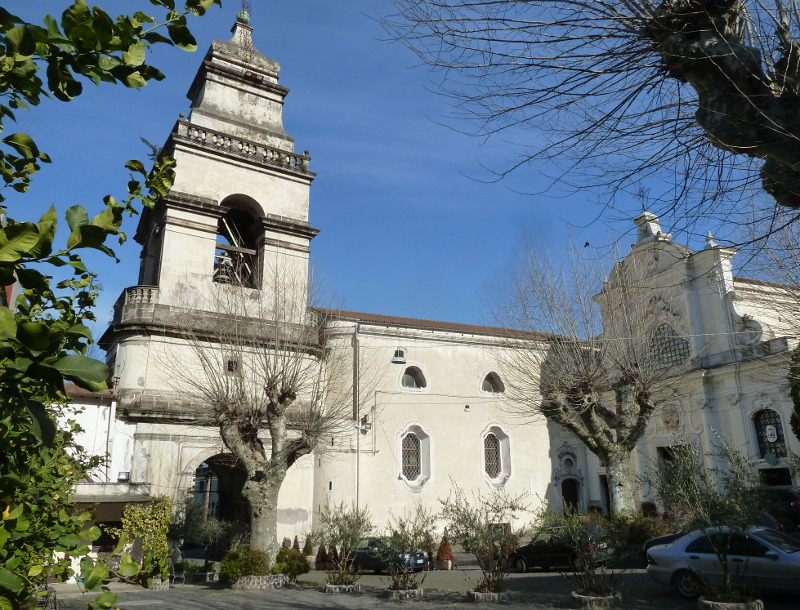
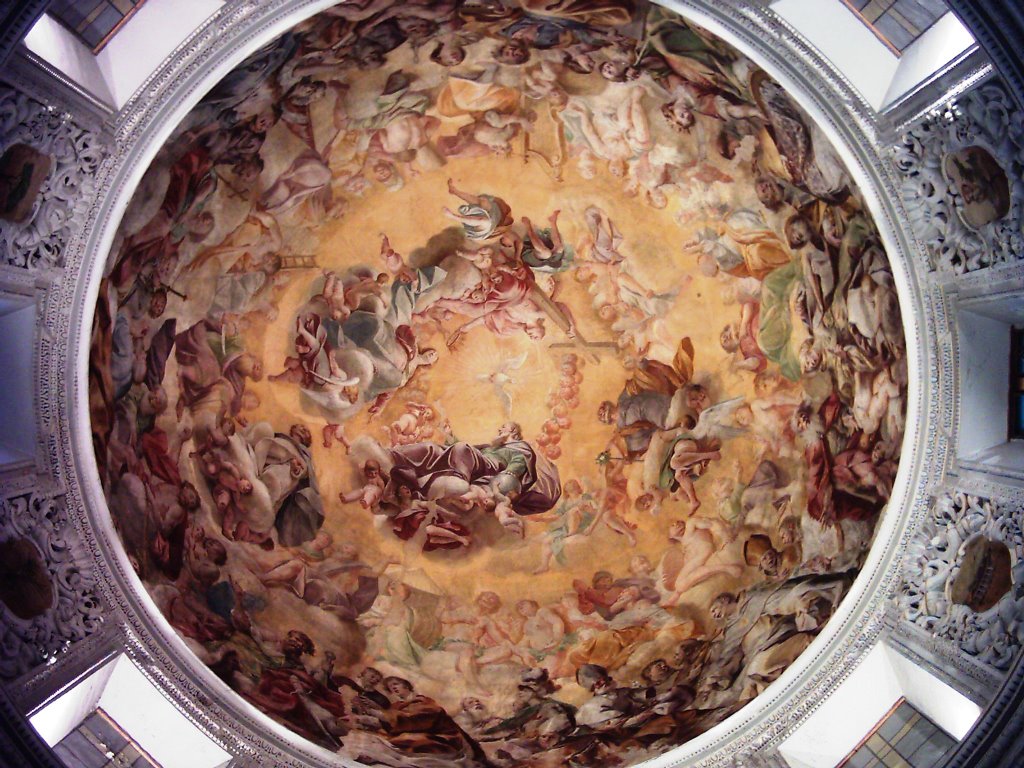
The cathedral of San Prisco is part of the vast complex of the bishopric that rises on the limit of the homonymous hamlet, isolated from the historical center of Nocera Inferiore. Through the fornix of the baroque bell tower, realized on Francesco Solimena's drawing, it is possible to enter the religious citadel articulated on the wide churchyard delimited by the facade of the bishop's palace and by the lateral prospect of the cathedral. Regarding the origins of the cathedral, that a consolidated tradition wants until the IX century settled in the early Christian church of Saint Maria Maggiore of Nocera Superiore, the sources seem to confirm the foundation in the X century of a primitive church annexed to a Benedictine monastery that, only in 1386 became episcopal center. The original building was rebuilt in the early years of the seventeenth century with a plant with three naves. Following the damages caused by the earthquakes of 1688 and 1694, new interventions were carried out and completed in 1744, the year of the consecration of the renewed cathedral. Important artists were involved, such as Angelo Solimena, author in 1671 of the fresco representing the Glory of Paradise in the dome of the chapel of the Rosary, and Francesco Solimena, to whom we owe the tondo of San Marco in the same chapel, later transferred to the central wall of the presbytery, and the project of the new bell tower rebuilt with baroque forms. The latter, which is still the scenic access to the complex of the bishopric, is divided into three levels gradually tapered and adorned with plastic decorations, drawn from the typical repertoire of Neapolitan baroque, enhanced by the dichotomy of gray volcanic stone and white marble. The bishop Benedetto dei Monti Sanfelice, in the second half of the eighteenth century, completed the stylistic updating of the interior with the realization of the valuable organ, of the marble altars and of the stuccoes on the walls of the naves, outlining in this way the current architectural appearance. The adaptation to the liturgical reform of the Second Vatican Council has determined the reorganization of the presbytery that, completed in 1975 with the realization of the altar, of the cathedra and of the ambo, obtained also through the reuse of parts of the ancient marble pulpit, has modified the pre-existing structure until then still substantially late eighteenth-century. Restored in 1981, by the Superintendence for Artistic, Architectural and Environmental Heritage of Salerno, the cathedral, the result of a sedimented architectural stratification, has a basilica plant with three naves grafted to a transept inscribed in the rectangle of the plant. The last decorative intervention of the second half of the eighteenth century dates back to the Baroque layout, where pilasters with composite capitals rhythm the pillars of the nave up to the entablature surmounted by the cornice, which marks the impost of the barrel vault lunette, also decorated with stucco cornices and volutes. A similar baroque liveliness characterizes the design of the facade, a palimpsest of the tripartite scanning of the interior naves, which shows a higher central body connected by large volutes to the lateral ones.
The Cathedral of San Prisco - Nocera Inferiore | Secret World Trip Planner
🗺 AI Trip Planner 2026 🎄 Win a month in Italy — €10,000 →

Plan your visit to Nocera Inferiore

Suggested itinerary near The Cathedral of San Prisco

MAJ+
500.000+ travelers worldwide
  1. 🌅
    Morning
    The Cathedral of San Prisco
    📍 Nocera Inferiore
  2. ☀️
    Afternoon
    Church of Santa Maria degli Angeli
    📍 1 km · Nocera Inferiore
  3. 🌆
    Evening
    The Paleochristian Baptistery of Santa Maria Maggiore
    📍 1.4 km · Nocera Inferiore

Buy Unique Travel Experiences

Powered by Viator

See more on Viator.com

Explore nearby · Nocera Inferiore

Frequently Asked Questions

The Cathedral of San Prisco was founded in the X century as a primitive church attached to a Benedictine monastery, becoming an episcopal center in 1386. It was rebuilt in the early 17th century with three naves and underwent major restoration after earthquakes in 1688 and 1694, finally being consecrated in 1744 in its renewed form.
The baroque bell tower was designed by Francesco Solimena and rebuilt with characteristic Neapolitan baroque forms. The tower is divided into three gradually tapered levels adorned with plastic decorations and features a striking combination of gray volcanic stone and white marble, serving as the scenic entrance to the bishopric complex.
The cathedral houses significant works including Angelo Solimena's fresco of the Glory of Paradise in the dome of the Rosary chapel (1671), and Francesco Solimena's tondo of San Marco, originally in the Rosary chapel and later transferred to the central wall of the presbytery. Additional treasures include 18th-century marble altars, valuable stuccoes, and an important organ completed under Bishop Benedetto dei Monti Sanfelice.
The Cathedral of San Prisco is located on the edge of the San Prisco hamlet, isolated from the historical center of Nocera Inferiore, within a vast bishopric complex. Visitors can enter through the baroque bell tower's fornix, which leads to a wide churchyard surrounded by the bishop's palace facade and the cathedral's lateral prospect.
The cathedral is distinguished by its three-nave layout from the 17th century and its integration within a complete bishopric complex that includes a bishop's palace and formal churchyard. The interior was refined in the 18th century with baroque elements including stuccoes, marble altars, and an organ, while the exterior showcases the stunning baroque bell tower combining Neapolitan decorative traditions with elegant stone and marble details.
Secret World Hidden places, real stories — plan your trip
Get the app
