
← Back

The Cicotto of Grutti

06035 Grutti PG, Italia ★★★★☆ 234 views
Freyan Shangrila
Grutti
🏆 AI Trip Planner 2026

Get the free app

Discover the best of Grutti with Secret World — the AI trip planner with 1M+ destinations. Get personalized itineraries, hidden gems and local tips. Free on iOS & Android.

🧠 AI Itineraries 🎒 Trip Toolkit 🎮 KnowWhere Game 🎧 Audio Guides 📹 Videos
Download on the App Store Get it on Google Play
Scan to download Scan to download

About The Cicotto of Grutti

The Cicotto of Grutti - Grutti | Secret World Trip Planner

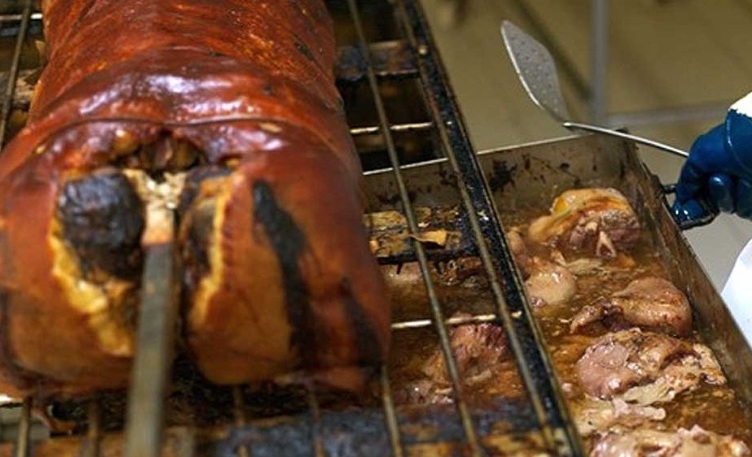
In the small medieval village of Grutti there is still a communal wood-burning oven that was used until a few decades ago by the families of the village to cook porchetta and, obviously, cicotto. In Grutti, a hamlet of five hundred inhabitants in the municipality of Gualdo Cattaneo, the cicotto is a tradition on a par with the now famous porchetta and its long and patient preparation has been handed down in the village from father to son, from the elderly to the current producers. Unlike other areas of Umbria, where similar preparations are handed down, but made only with the shank of the pig, the tradition of Grutti provides for the cooking of all the cuts of the animal. Ears, shanks, tongue, tripe and other entrails are worked and boned by hand, washed and cut up. The meat mixed in this way is placed in a vat and then in the oven under the porchetta, so as to collect its fat and the spices used for cooking it, a mixture of fresh rosemary, red garlic from nearby Cannara, black pepper and fennel. Cooking is very slow, varying from nine to twelve hours, at a temperature of about 200°C, so that the cicotto remains soft and rich in aromas. Once it is cooked, it is left to cool, the fat and cooking liquids are drained off into special baskets and then it is ready for consumption. But it is also excellent preserved and reheated. Cicotto is also used to prepare sauces or a typical local recipe with snails and some recipes with chickpeas or beans. Intense, with a soft, juicy texture and smoky notes on the nose, in the mouth it reveals all its flavour and spiciness. The name has its roots in 16th century cooking treaties, when the term was used to identify the leg and therefore the leg of the animal, essential ingredients of this product.

🗺 AI Trip Planner

Plan your visit to Grutti

Suggested itinerary near The Cicotto of Grutti

MAJ+
500.000+ travelers worldwide
  1. 🌅
    Morning
    The Cicotto of Grutti
    📍 Grutti
  2. ☀️
    Afternoon
    Village of Grutti
    📍 0 km · Grutti
  3. 🌆
    Evening
    Abbey of San Felice
    📍 7.6 km · Grutti

Buy Unique Travel Experiences

Powered by Viator

See more on Viator.com

Explore nearby · Grutti

Frequently Asked Questions

Cicotto is a traditional slow-cooked meat dish from the medieval village of Grutti that uses all cuts of the pig, including ears, shanks, tongue, tripe, and entrails, unlike other Umbrian preparations that typically use only the shank. The meat is hand-worked, boned, and cooked for 9-12 hours at 200°C beneath porchetta to absorb its fat and spices like rosemary, red garlic from Cannara, black pepper, and fennel.
Grutti is a small hamlet of 500 inhabitants located in the municipality of Gualdo Cattaneo in Umbria, Italy. This medieval village still features the original communal wood-burning oven that families used for generations to prepare cicotto and porchetta, making it a unique destination for food heritage tourism.
Cicotto requires a very slow cooking process of 9 to 12 hours at approximately 200°C to achieve its signature soft and juicy texture. The finished dish is intense and flavorful with smoky notes on the nose and reveals spiciness and depth in the mouth, with all the aromas from the traditional spice blend infused during the long cooking process.
The name cicotto has roots in 16th century cooking treatises, when the term was used to identify the leg of an animal, which was an essential ingredient in this historical recipe. This naming convention reflects the dish's long culinary heritage and its important place in Italian gastronomic tradition.
Beyond enjoying cicotto on its own, it can be preserved and reheated for later consumption, or used as a base for sauces and traditional local recipes. Popular preparations include cicotto with snails, as well as recipes combining it with chickpeas or beans, offering versatile options for experiencing this traditional Grutti specialty.
