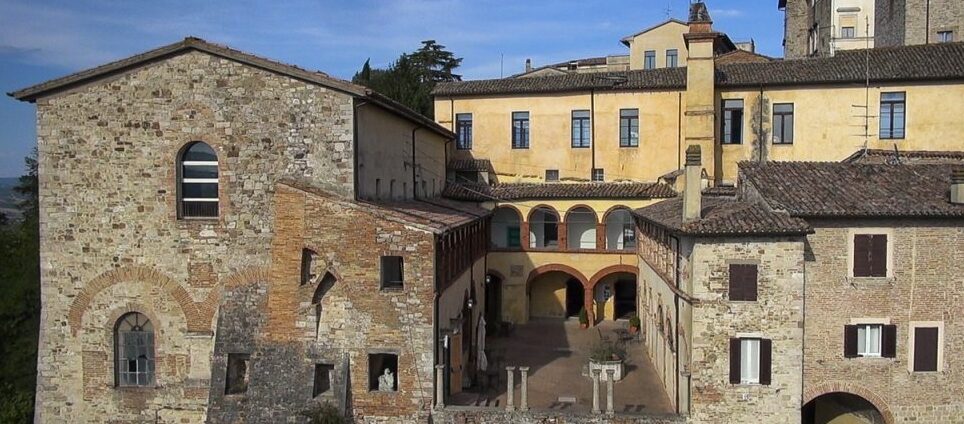

Nestled in the rolling hills of Umbria, the Lucrezie Monastery Complex in Todi is a captivating blend of history, art, and community spirit. This serene site, located just off Via Paolo Rolli, invites visitors to explore its rich past while basking in the beauty of its architecture and surroundings.
### History and Origins
The origins of the Lucrezie Monastery trace back to the late 14th to early 15th centuries, a period marked by the flourishing of Franciscan ideals. Founded by Lucrezia della Genga and a group of noblewomen from Todi, the convent was established for the Franciscan tertiaries, who sought a life of piety and community service. The choice of this location speaks volumes about the era’s spiritual inclinations, as the region was a hub for religious and cultural developments.
In 1862, significant changes came with the enactment of the law regarding the suppression of ecclesiastical bodies. The monastery transitioned from a sacred space to a municipal property, adapting to the needs of the time. Over the years, it has served various roles, from housing the ancient Accademia dei Convivanti to functioning as a cinema and a meeting point for the Opera Nazionale Dopolavoro Fascista. Each phase of its history adds layers to its identity, reflecting the evolving social fabric of Todi.
### Art and Architecture
The architectural style of the Lucrezie Monastery is representative of its time, with a harmonious blend of Gothic and Romanesque elements. The centerpiece of the complex is the tranquil cloister, which offers stunning views over the Montesanto convent and the picturesque Tiber valley. Visitors can admire the intricate arches and serene atmosphere that evoke a sense of peace and reflection.
Within the monastery, the Lapidary Museum of the City of Todi has been a highlight since 2009. This museum showcases a remarkable collection of sculptural finds spanning over twenty centuries, including Roman, Medieval, Renaissance, and modern artifacts. Each piece tells a story, connecting visitors to the ancient heritage of Todi and providing insight into the artistic endeavors of its past inhabitants.
### Local Culture and Traditions
Todi is renowned for its vibrant local culture, which is deeply intertwined with its historical roots. The town celebrates various festivals throughout the year, most notably the Palio della Tonna, which takes place in September. This lively event features a horse race through the town's cobblestone streets, drawing in locals and tourists alike for a day of excitement and camaraderie.
Moreover, the Festa della Madonna del Parto, celebrated in May, pays homage to the town’s patroness. These traditions reflect the community’s commitment to preserving its cultural heritage, making a visit to Todi not just an exploration of history but a chance to engage with its living culture.
### Gastronomy
No visit to Todi would be complete without indulging in its culinary delights. The region is famous for its truffles, particularly the prized black truffle, which features prominently in local dishes. Dining at a rustic trattoria offers the opportunity to savor traditional Umbrian fare, such as pasta alla Norcina—a creamy pasta dish enriched with sausage and truffles.
Additionally, the local wine, Sagrantino di Montefalco, complements the gastronomic experience beautifully. This robust red wine, produced in the nearby Montefalco region, boasts rich flavors that pair perfectly with hearty Umbrian dishes.
### Lesser-Known Curiosities
While many are drawn to the grand architectural features of Todi, some hidden details often go unnoticed. For instance, the intricate frescoes that adorn the walls of the monastery are a testament to the artistic devotion of the Franciscan sisters. These artworks depict biblical scenes that inspire reflection and spiritual contemplation.
Another intriguing aspect is the legend surrounding Lucrezia della Genga, who is said to have had a mystical connection with the local landscape. It is believed that she often wandered the hills surrounding Todi, seeking inspiration and solace, a practice that resonates with the peaceful ambiance of the monastery today.
### Practical Visitor Information
The best time to visit Todi and the Lucrezie Monastery Complex is during the spring and early fall when the weather is mild and the landscapes are vibrant with colors. Plan your visit on weekdays to enjoy a quieter experience, allowing for deeper contemplation in this historic space.
When exploring the complex, take your time to wander through the cloister and appreciate the views of the Tiber valley. Don’t miss the museum, where you can delve into the rich history of Todi through its archaeological treasures.
For those who wish to connect further with the area, consider joining a guided tour that highlights both the monastery's significance and the broader context of Todi’s history.
Whether you are an art enthusiast, history buff, or simply in search of tranquility, the Lucrezie Monastery Complex offers a wealth of experiences waiting to be uncovered.
To make the most of your journey, consider using the Secret World app to plan a personalized AI itinerary for your visit to Todi.
